A factory trial now underway in Japan could solve one of the biggest bottlenecks in clean fusion energy. The challenge is simple: how to mass-produce next-generation superconducting wire.
Gigaphoton builds the high-precision lasers used to manufacture microchips. Now, the company has sent one of its industrial excimer lasers to a commercial wire-making plant in Japan. The trial takes the technology out of the research lab and puts it straight onto an active production line.
Engineers have begun testing the system, called the L300KZ, with an aim to find out if high-performance wire can be made rapidly, cheaply, and in high volumes.
Fusion reactors aim to generate clean power by mimicking the sun’s process. To do this, they must trap superheated plasma inside a tight magnetic cage so it never touches the vessel walls.
These powerful magnets depend on rare-earth barium copper oxide, known as REBCO. As a “high-temperature” superconductor, REBCO loses all electrical resistance at far more practical cryogenic temperatures than traditional materials.
This allows massive electrical currents to flow through small coils without wasting energy as heat. Yet producing REBCO wire remains painfully slow and costly.
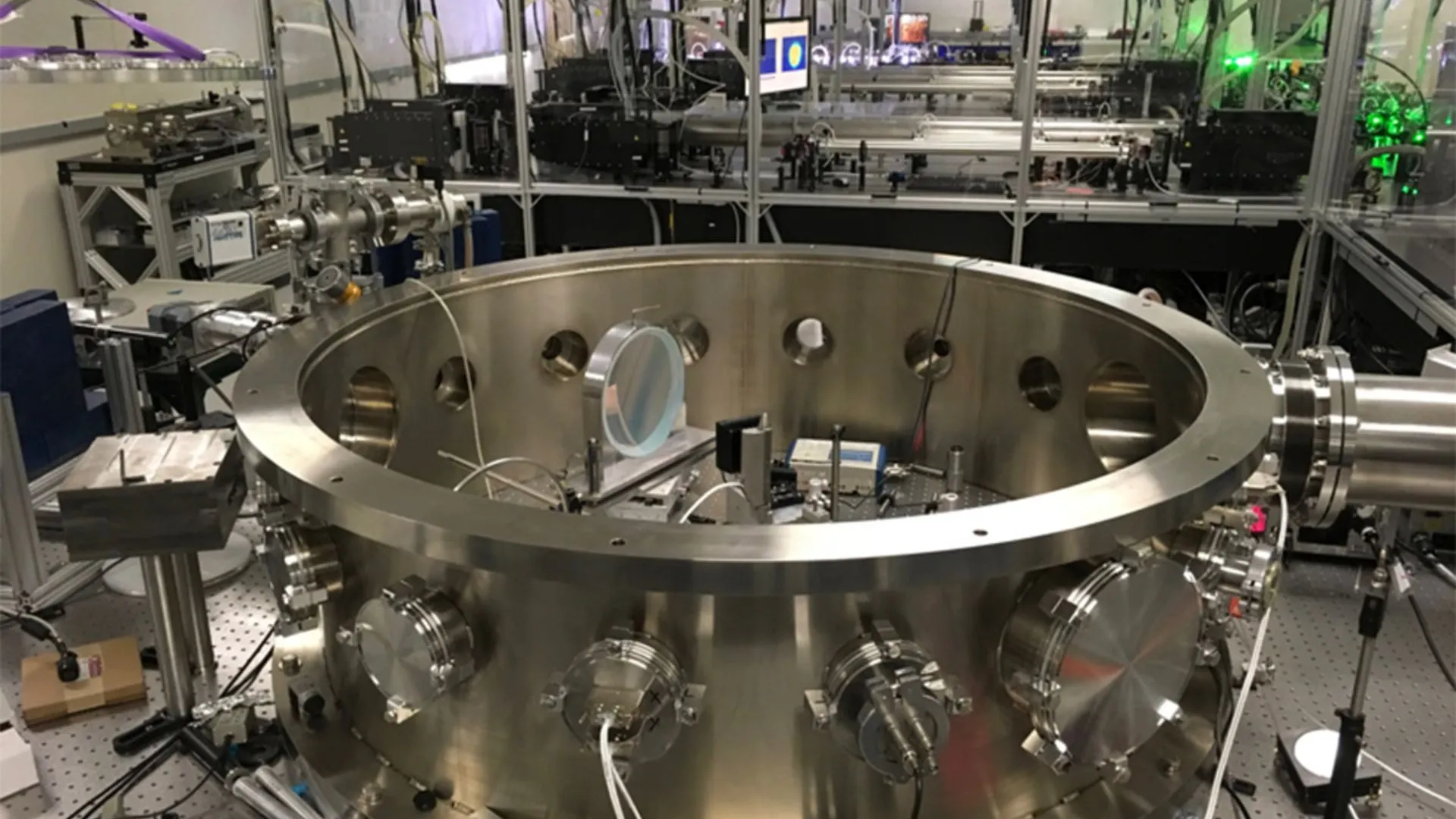
Factories build the material layer by atomic layer using pulsed laser deposition. Inside a vacuum chamber, short pulses of high-energy ultraviolet laser light strike a target. The material vaporizes into a plume of particles, settling onto a metal tape as a micro-thin film.
If the laser beam wavers even slightly, defects ruin the crystalline structure. When that happens, the wire’s performance degrades, and its current-carrying capacity drops sharply.
Source link