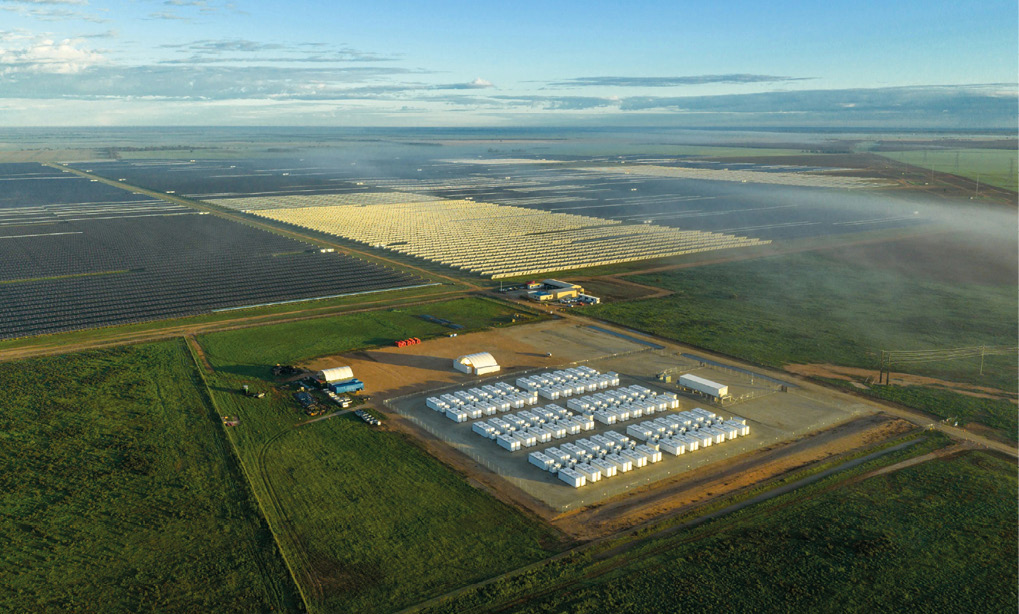
New solar developments in Australia increasingly include battery storage, while local experts say retrofits are also on par in number. Government investment offerings specifically recognize the strategy as one of many needed to meet the demands of Australia’s distributed energy future.
In August 2026, the federal government announced the Distribution Connected Acceleration Program (DCAP), which invites 16 eligible hybrid, standalone or retrofit BESS projects to share AUD 100 million ($71.4 million) in debt financing. The initiative is funded by Australia’s green bank, Clean Energy Finance Corp. (CEFC), and administered by private infrastructure and renewable energy project debt fund manager Infradebt.
Facing imminent coal-fired power plant closures by the end of the decade, the New South Wales state government’s Electricity Infrastructure Roadmap Tender 9 seeks up to 12 GWh of long-duration storage, with eligibility including expansion projects – or retrofits – at existing generation assets.
RenewMap, a Canberra-headquartered energy market intelligence platform, tracks more than 1,200 utility-scale BESS projects across Australia, representing a pipeline of more than 224 GW / 744 GWh of storage capacity currently under development.
RenewMap Director Alex Thompson told pv magazine that the 938 BESS projects in the development pipeline are split almost evenly between standalone projects and those co-located with solar or wind generation.
“Most utility-scale solar projects entering the planning system in Australia now have an accompanying co-located BESS as part of the development application,” Thompson said.
Source link