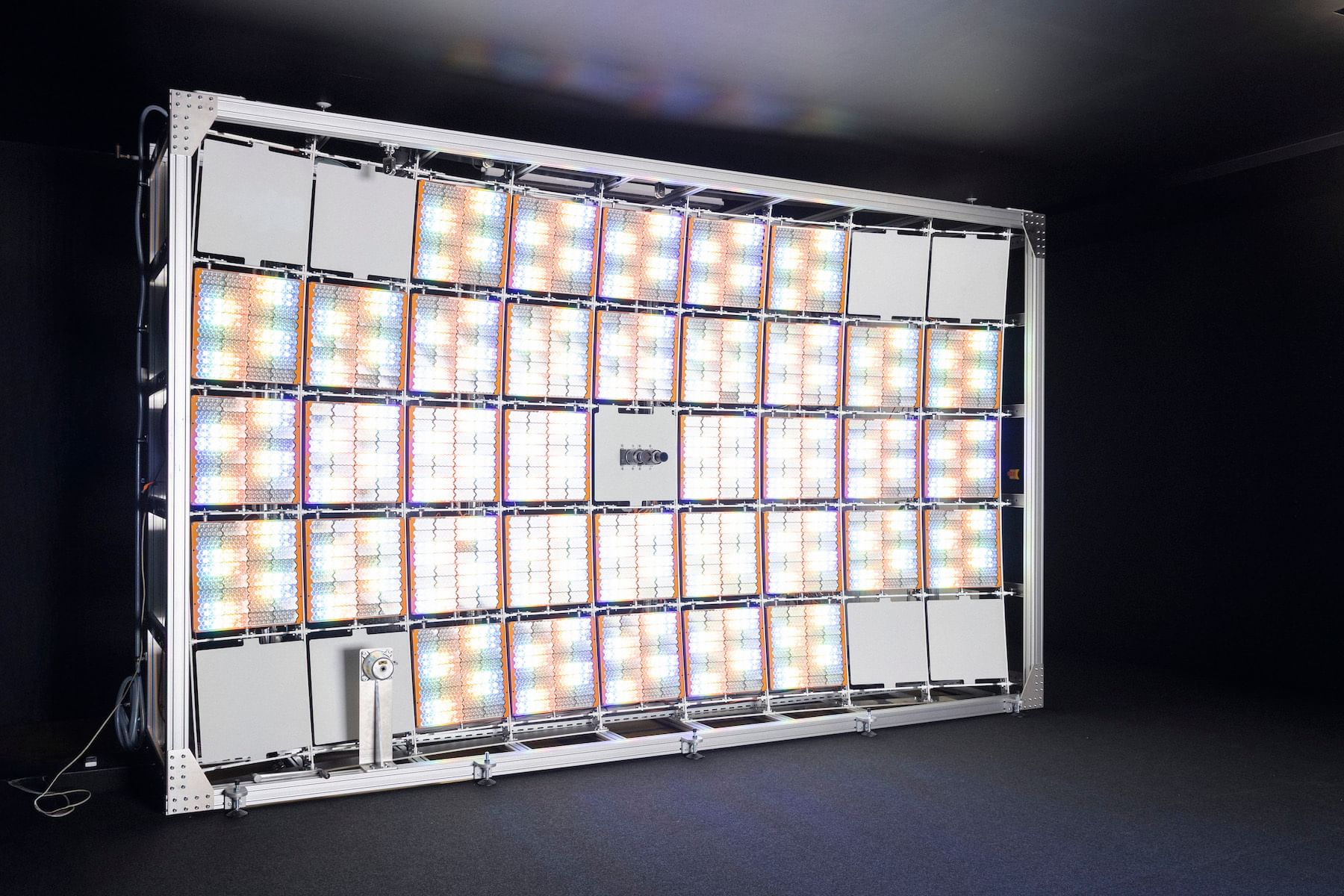
Qcells, one of the most prolific solar manufacturers operating in the U.S., is staking a claim on the next generation of solar power.
Laboratory scientists have established that solar panels convert sunlight to electricity with much higher efficiency if traditional silicon cells are paired with layers of perovskites, a type of crystal that can be synthesized with a wide range of ingredients. These constructions have set stunning efficiency records in the lab, but break down far too quickly out in the real world.
A number of startups — including Tandem PV, Oxford PV, and Caelux — have been trying to solve this problem and commercialize these so-called tandem perovskite panels. But none of them are mass producing and selling tandem panels with a commercial warranty akin to conventional solar.
Qcells aims to be among the first to make that leap. Qcells is testing full-size tandem panels in the field and plans to open a gigawatt-scale factory to produce them in 2029, Global Chief Technology Officer Danielle Merfeld told Canary Media.
That means competition is heating up in the race to build large-scale perovskite solar factories, even as the contenders still must prove that their tandem products survive long enough to be commercially viable.
Chinese company GCL said it opened a 1 -GW factory last year in Kunshan, near Shanghai; that said, factory developers in China can avail themselves of many types of direct public support that aren’t available to companies in other countries, making it hard to extrapolate lessons about perovskites’ commercial readiness.
Source link