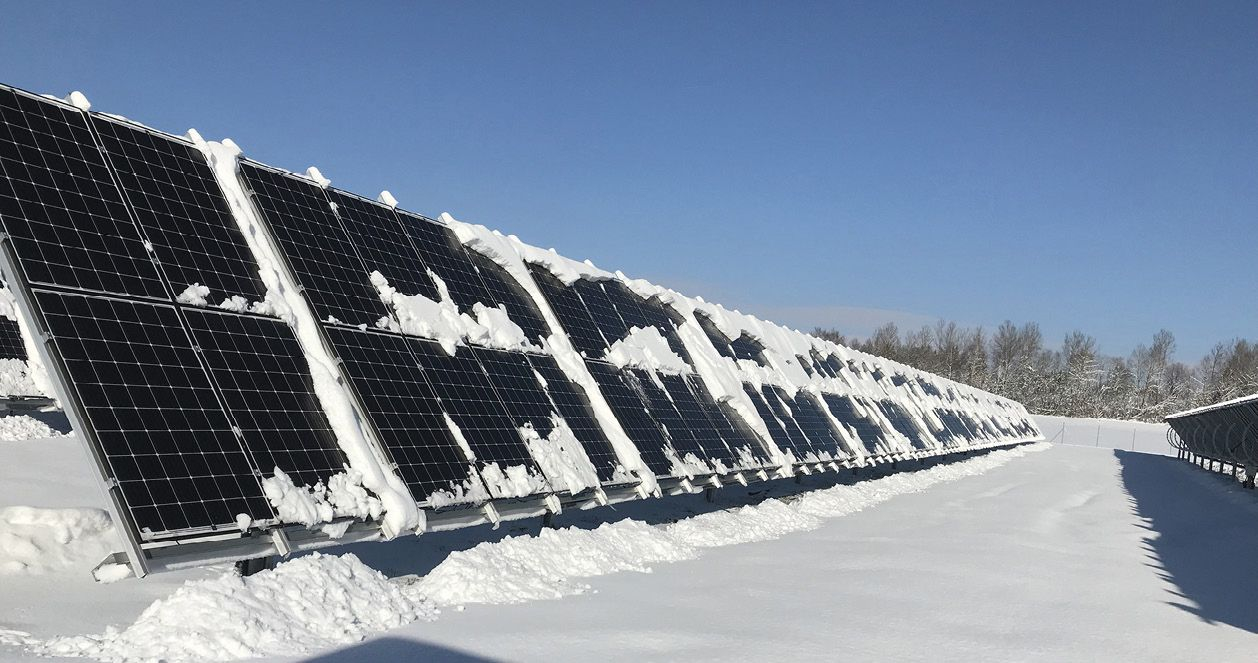
High in the Swiss Alps, a PV module may encounter intense irradiation reflected from snow while operating at temperatures well below freezing. Thousands of kilometers south, a module in the North African desert will be confronted with heat, dust, UV exposure and sandstorms. A continent away, in Singapore, installations must endure a combination of heat, persistent humidity, heavy rainfall and biological growth.
All three locations can offer attractive conditions for solar generation, but each harbors its own difficulties. This becomes increasingly relevant as more PV is deployed in deserts, high-latitudes and tropical environments.
The challenge for developers is no longer only whether PV can be deployed in these environments, but how systems should be designed to be reliable and economically viable under their specific climatic stresses.
Environmental stresses affect not only energy yield, but also degradation, component lifetime, operations and maintenance (O&M) requirements and project economics. The environmental stresses the system will face over its lifetime should be understood at an early stage for component selection, system design and financial planning.
For example, a recent IEA PVPS Task 13 report describes the impact of local conditions on a PV system installed at Wildkogel, Austria. Every winter, wind-driven snow formed a large snow roll that covered the PV fields, caused severe damage, and forced the relocation of the plant. This is an extreme illustration of a broader principle: a mitigation strategy designed after construction may be more expensive and less effective than designing around the environmental risk from the outset.
Cold climates make a good illustration of the way climate optimization is all about trade-offs.
Source link