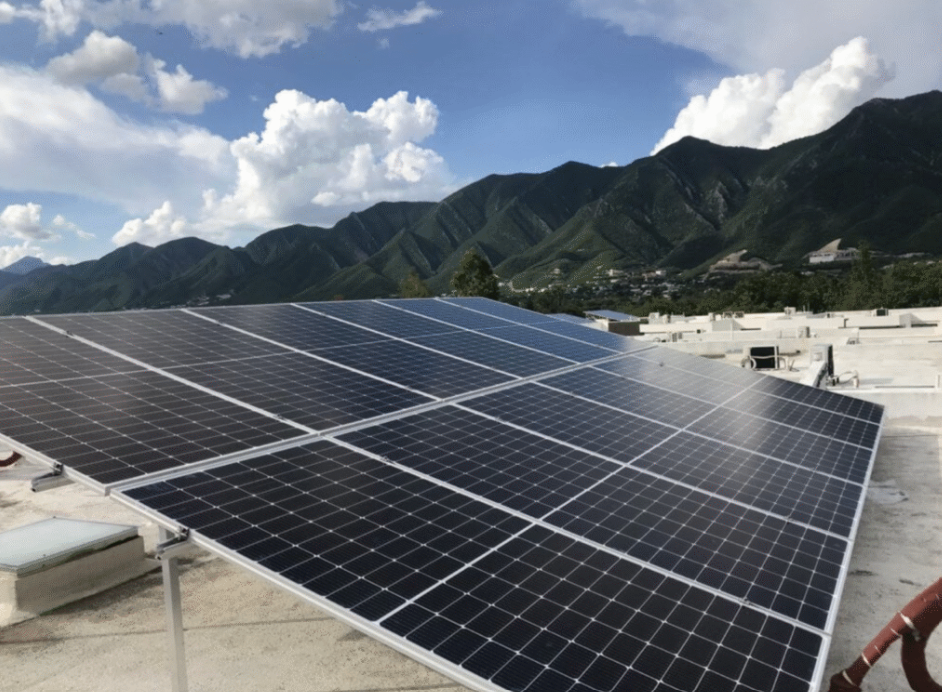
Brazil’s micro- and mini-distributed generation (MMGD) segment is expected to add 41.4 GW of capacity over the next decade, according to the country’s draft ten-year energy expansion plan (PDE 2036), prepared by the Energy Research Office (EPE) under guidelines established by the Ministry of Mines and Energy (MME).
The report projects that the segment will serve 13.5 million consumers by 2036, with average generation reaching 14.1 GW. Solar PV is expected to account for most of the expansion, supported by growing adoption of self-generation systems among residential, commercial and industrial consumers.
The estimates are included in the preliminary PDE 2036, released for public consultation on Oct. 8. The plan sets out projections for Brazil’s energy supply and demand from 2027 to 2036.
The expansion of distributed generation is expected to coincide with rising electricity demand and growth in other generation technologies. Under the PDE 2036 reference scenario, Brazil’s electricity generation is projected to increase from 829.2 TWh in 2026 to 1,132.5 TWh in 2036.
The growth of decentralized generation will also create operational challenges, particularly in integrating distributed energy resources, coordinating generation and demand, and maintaining system flexibility.
The report identifies a need for greater control and monitoring capabilities for distributed resources, alongside closer coordination between Brazil’s National Electric System Operator (ONS) and distribution utilities.
The pace of expansion will depend on equipment costs, electricity tariffs, compensation mechanisms and consumer finances. These factors will determine the economic attractiveness of self-generation systems and influence future investment in distributed generation.
The PDE 2036 also includes projections for technologies designed to improve power system flexibility as the share of variable renewable energy increases.
Source link