
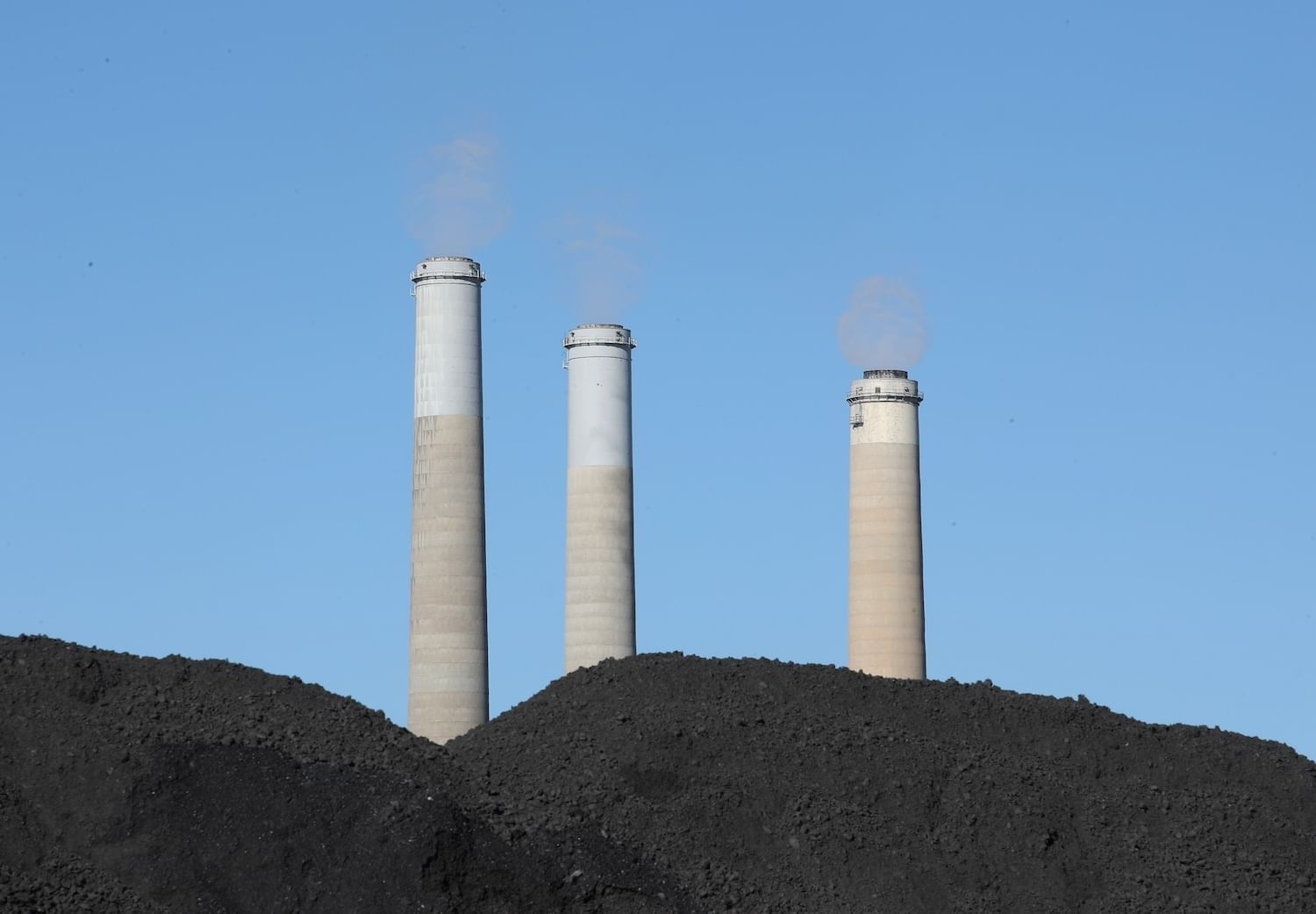
The U.S. electricity sector is set to emit less planet-warming carbon dioxide this year despite record-high demand and the Trump administration’s efforts to prop up uncompetitive coal-fired power plants.
Power plants burned 10% less coal through July of this year, according to a new analysis of federal data from think tank Energy Innovation. That drop in coal consumption caused power sector emissions to decline in the first half of 2026 — and puts the U.S. on track for a 2% reduction in overall energy-related emissions across this entire year.
It’s a reversal from 2025, when coal generation shot up 13% and caused economy-wide emissions to jump 2.4%. Analysts attributed that to a surge in electricity demand coupled with unusually high natural gas prices, which made coal more economically attractive.
This year, though, coal plants are just not running as often. Through August 2026, coal plants ran an average of 46.7% of the time, compared with 49.7% over the same period last year.
The data suggests that coal’s resurgence last year was a blip rather than the start of a boom, even as electricity demand has continued to soar this year.
Coal’s decline is particularly notable because the White House has employed aggressive and at times extralegal means to boost the fuel, which pollutes the air and water with mercury and other toxins while also emitting more carbon dioxide than other power sources.
The Department of Energy has been ordering coal plants to stay open past their planned retirement dates on the grounds of an alleged energy crisis.
Source link





