US company Zeno Power has completed a two-week open-water demonstration of a Stirling generator designed for its maritime nuclear battery, marking a step toward developing long-lasting power sources for underwater infrastructure and other systems operating at sea.
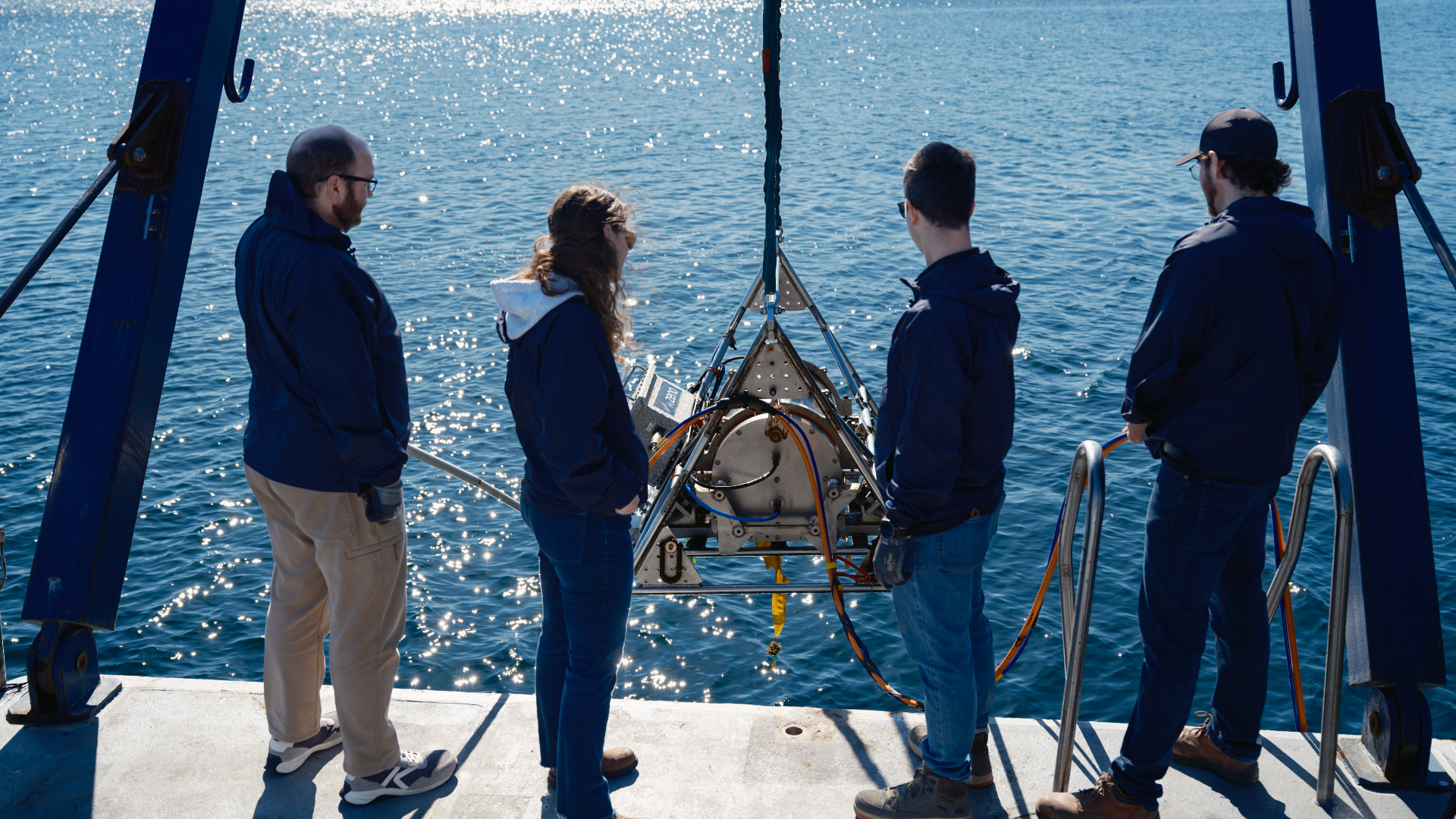
The demonstration took place in a controlled maritime environment in Washington state and produced more than 20 watts of electrical power. According to the company, it was the first time an electrically heated Stirling generator had generated electricity on the seabed.
The test used a non-radioactive prototype, with an electric heating element replacing the radioisotope heat source that would power an operational nuclear battery. Zeno said the system was deployed, operated for two weeks, and successfully recovered, allowing engineers to evaluate its power conversion technology, material compatibility, and overall functionality before introducing radioactive materials.
Central to Zeno Power’s system is a Stirling engine, which generates electricity by cycling gas through heating and cooling phases inside a cylinder. The temperature difference causes the gas to expand and contract, driving mechanical movement that can be converted into electrical power.
The approach differs from conventional radioisotope thermoelectric generators, which use thermoelectric materials to convert heat directly into electricity. Stirling systems can offer higher conversion efficiency, potentially extracting more usable electrical power from a given amount of heat.
For maritime applications, this could make a significant difference as underwater sensors, communications equipment and monitoring systems can operate far from shore, where replacing batteries or supplying electricity through cables is difficult and expensive. A compact power source capable of operating for years could therefore reduce the need for maintenance missions and support infrastructure in remote locations.
Source link