Good technology should remove friction, reduce waiting and help people move forward but removing it from the wrong places could hurt us.
An employee has a question. A few years ago, they might have messaged a colleague, walked over to someone’s desk or waited until the next team meeting. Today, they can ask AI and have an answer in seconds.
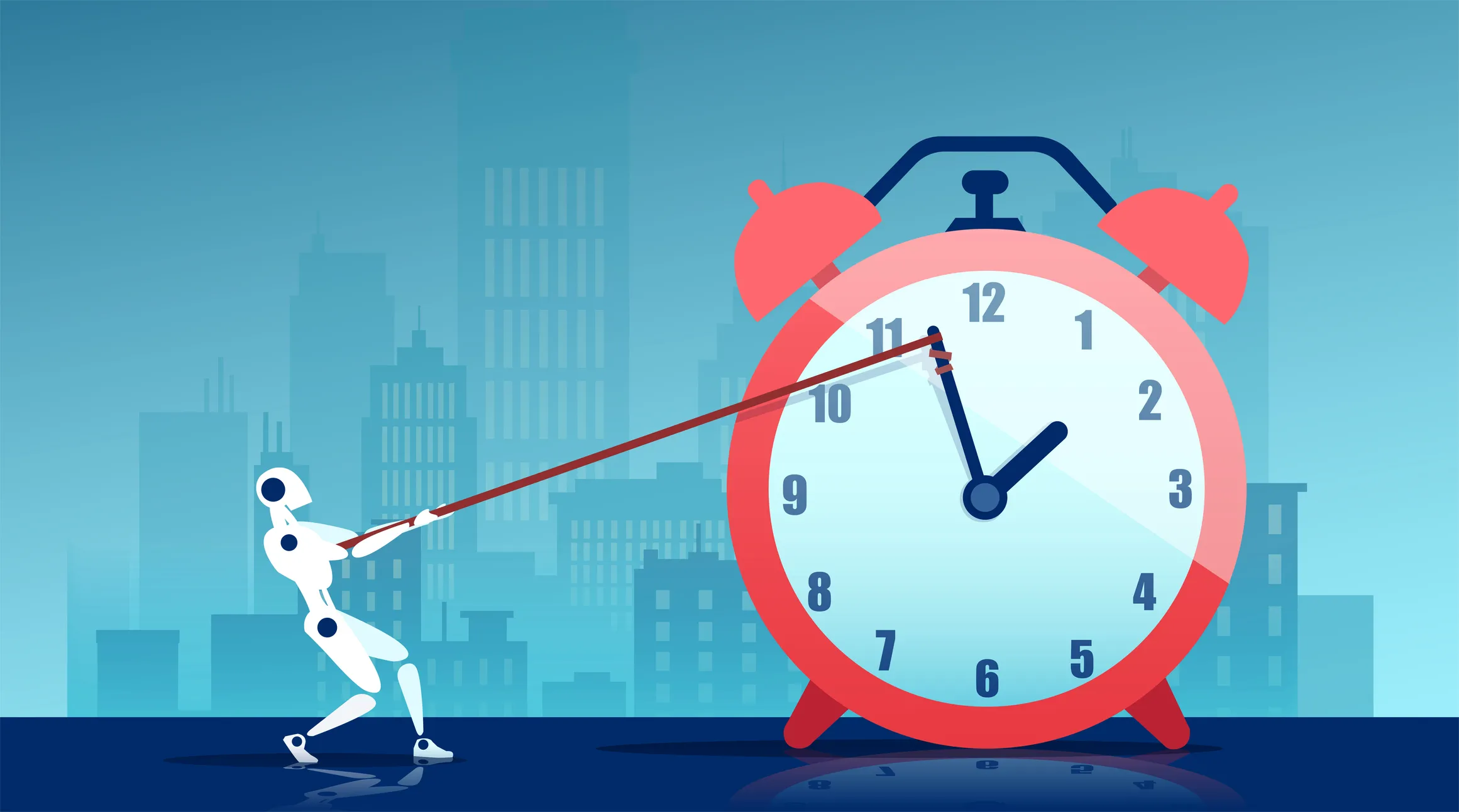
That is progress. Good technology should remove friction, reduce waiting and help people move forward. I understand the instinct. If I can get the same answer in 30 seconds without interrupting someone else, of course I am going to do that.
But I wonder if the old conversation was producing more than an answer. It may have shown the employee how someone more experienced approached the problem or surfaced context that was never written down. Sometimes a small interaction becomes a relationship that matters much later. From the perspective of the task, the interaction may have looked inefficient. From the perspective of the organization, it may have been building something.
That question has stayed with me as I have reviewed forthcoming BambooHR research on how AI is changing the workday. Employees estimate that they now spend nearly an hour and a half each day interacting with AI. Among the part of the day they spend in conversation rather than working alone, about 2 in 5 interactions are with AI rather than another person.
There are good reasons for that. AI is fast. It is always available. It does not look busy or make you feel as though you should already know the answer.
Source link