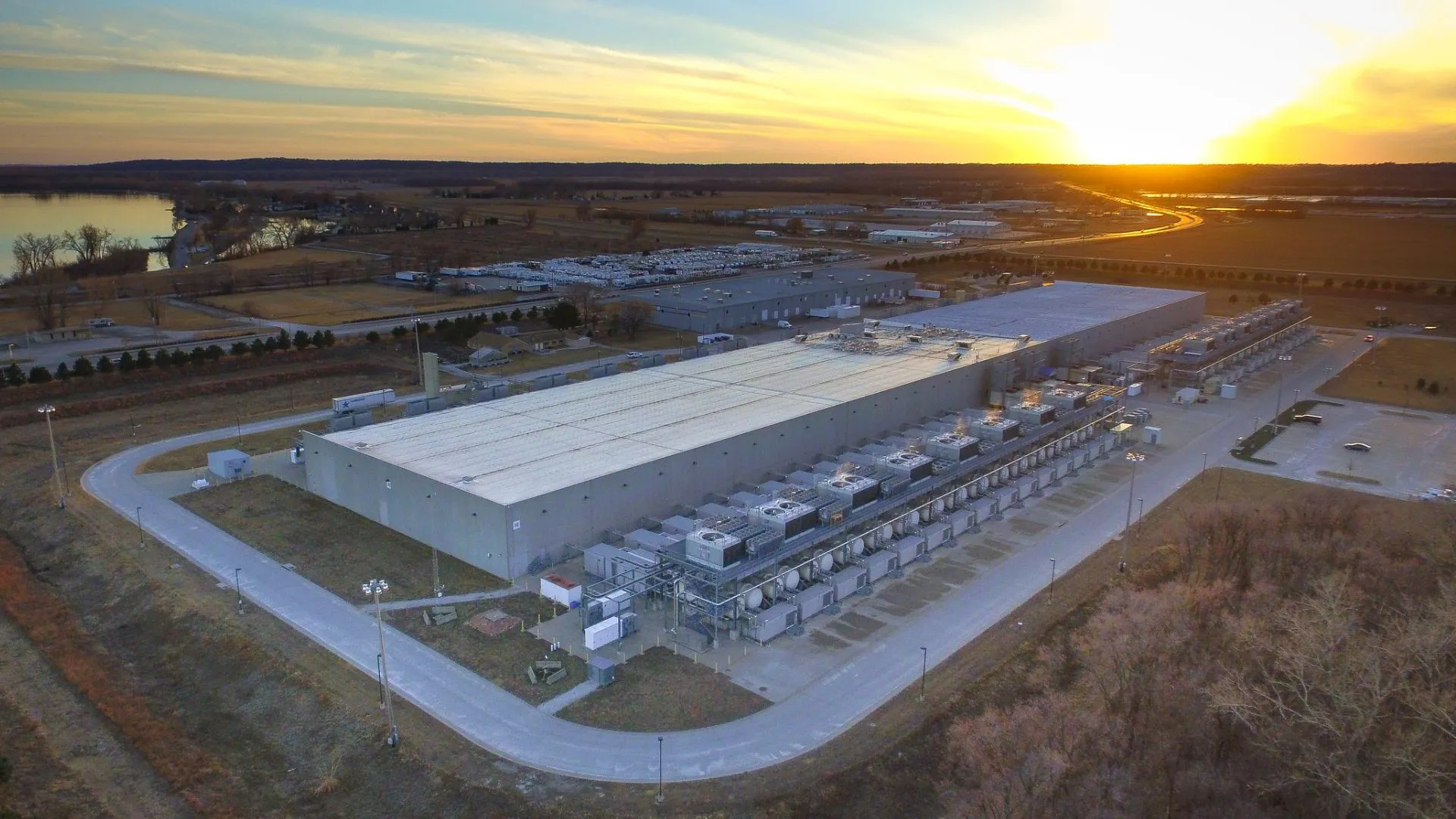
Artificial intelligence has turned data centers into the hungriest tenants on the American power grid. As megawatt-scale server campuses cluster in regions like Northern Virginia, Texas, and the Midwest, utilities face mounting transformer bottlenecks, multi-year interconnection queues, and a rising risk of local voltage instability during peak demand.
Building brand-new high-voltage transmission corridors can take a decade, while AI compute demand is scaling in months. To bridge that gap without triggering blackouts or stalling expansion, engineers, utilities, and hyperscalers are deploying a mix of smart grid hardware, behind-the-meter generation, and compute-level power controls. Here are seven technologies helping U.S. data centers keep both the lights and the GPUs on.
Instead of treating data centers as rigid, around-the-clock power hogs, grid-interactive software lets operators pause or relocate non-urgent compute jobs, such as large AI model training runs, when regional electricity demand spikes.
According to a February 2026 modeling study by Duke University’s Nicholas Institute, curtailing data center power consumption during just a tiny fraction of peak hours can cut new natural gas plant investments by 10 to 50 percent and save the U.S. electricity system tens of billions of dollars.
Most overhead power lines are governed by static thermal limits calculated for worst-case hot, windless days, leaving substantial transmission capacity untapped the rest of the year.
Dynamic line rating systems mount weather and conductor-sag sensors along transmission towers to measure real-time wind cooling and wire temperature. Under Federal Energy Regulatory Commission Order 881, utilities are increasingly adopting DLR to safely unlock 15 to 40 percent more capacity on existing lines without waiting years to string new steel towers.
Source link