Gold Standard has introduced its first methodology for biochar-based carbon dioxide removal (CDR), establishing a framework for projects ranging from small kiln networks to industrial facilities.
The Geneva-based climate standards organization has just published its Production and Application for the Removal of Carbon via Biochar (PARC) methodology. It allows qualifying projects to issue credits for carbon expected to remain stored for at least 200 years.
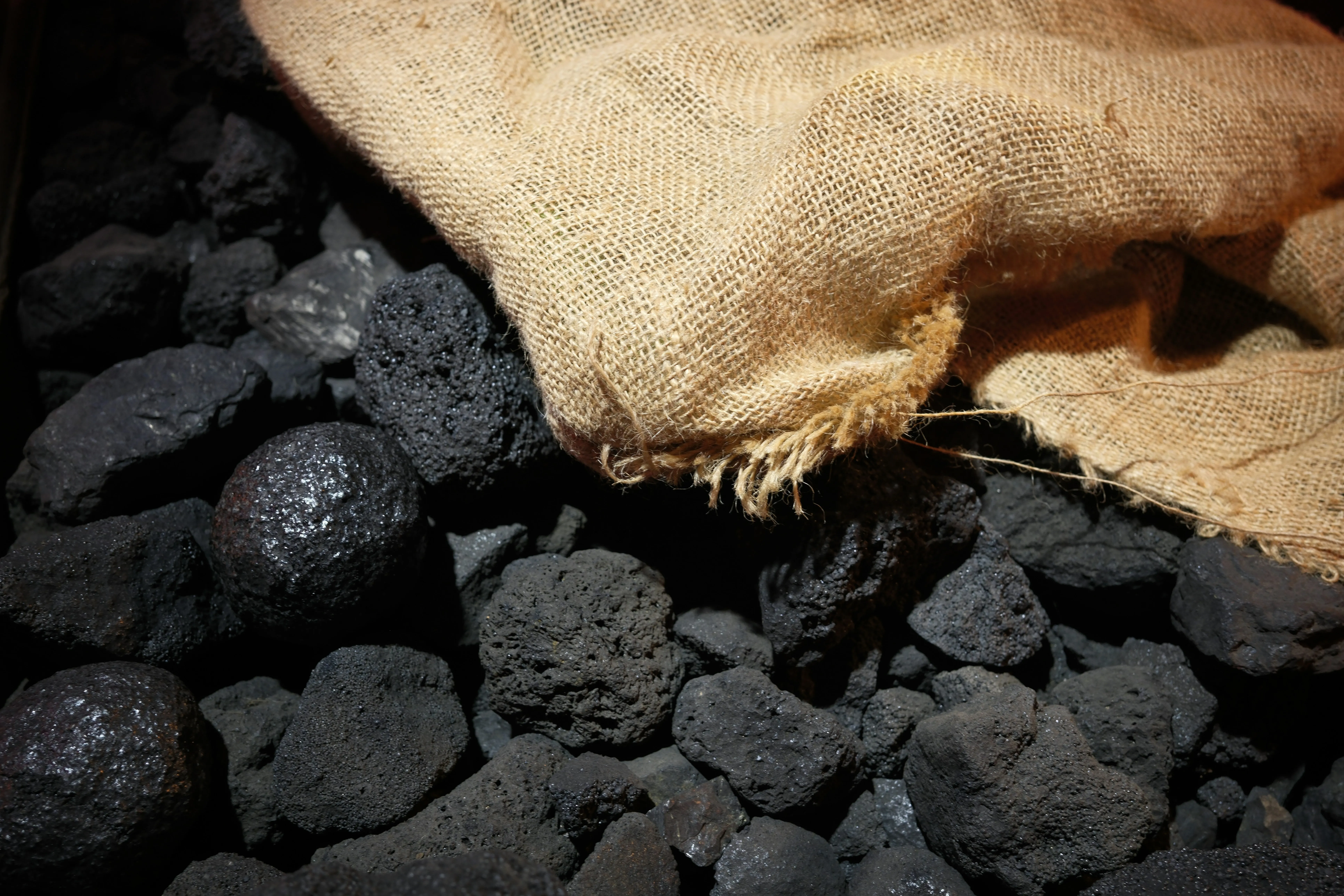
Biochar is a carbon-rich material produced by heating biomass in low-oxygen conditions. It can be applied to soil, incorporated into engineered materials or placed in dedicated underground storage. The methodology credits carbon removals but excludes emissions avoided through alternative uses of biomass.
“Biochar has the potential to make a significant contribution to carbon removal, but realising that potential depends on rigorous methods that work across different production scales,” Gold Standard’s chief executive, Margaret Kim, said in a comment to the announcement on Tuesday.
The framework divides projects into three categories. Distributed operations cover manual and semi-manual kilns processing less than one tonne of dry biomass daily per unit. Mechanized facilities handle between one and 15 tonnes, while industrial operations process more than 15 tonnes per day.
Monitoring requirements become more demanding with scale, including continuous emissions monitoring and batch-level laboratory testing for industrial facilities. Core eligibility, durability and accounting rules remain consistent.
The methodology calculates removals after deducting emissions from biomass supply, production, transport and application, as well as leakage and uncertainty. 5%.
Source link