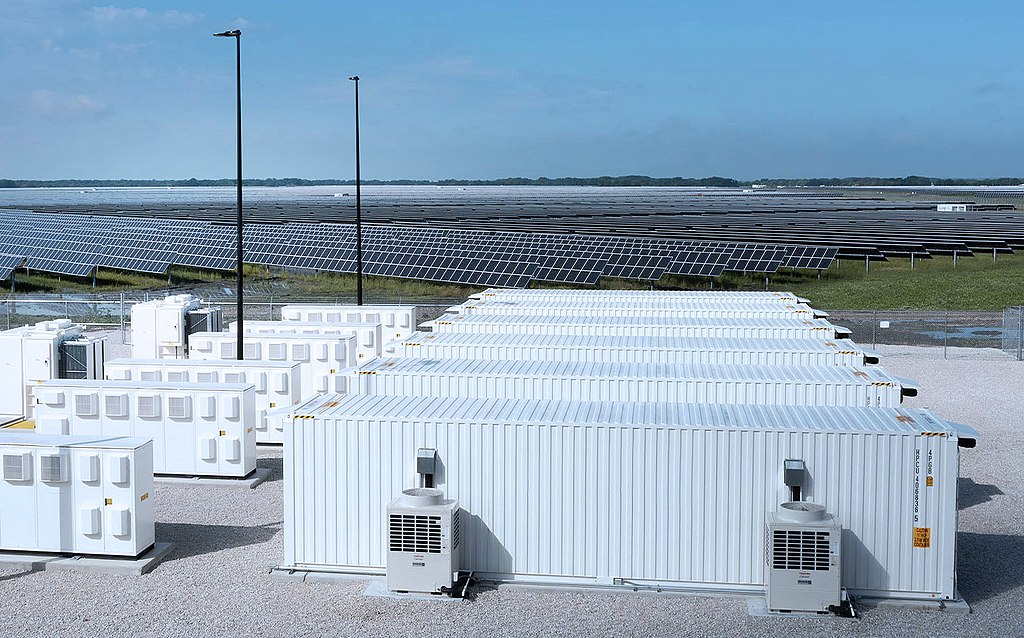
The levelized cost of electricity (LCOE) for four-hour battery storage has crossed a critical threshold, falling below open-cycle gas turbines across all 43 global markets modeled by Wood Mackenzie. However, while expanding manufacturing and volatile fuel prices drive gas peaking out of the market globally, North America faces a distinct trajectory marked by near-term trade barriers, policy shifts, and surging power demand from data centers.
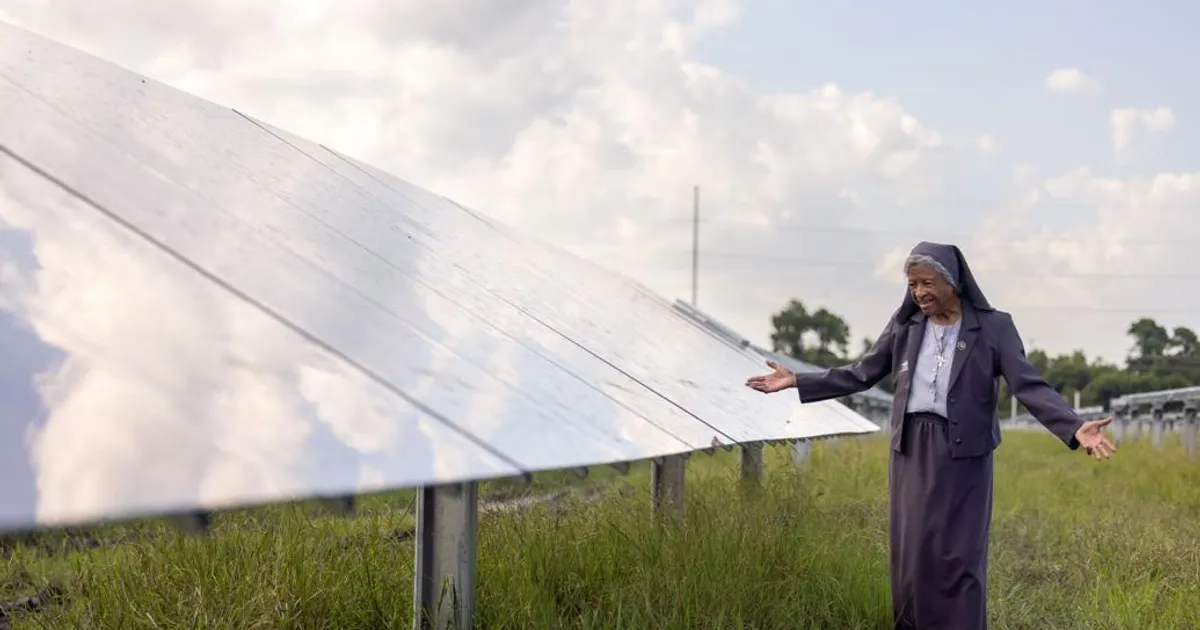
Advancing technologies and manufacturing scale are redrawing global power market dynamics. Wood Mackenzie’s latest Levelized Cost of Electricity (LCOE) report shows that single-axis tracker solar is now the lowest-cost new-build power source in 43 of 48 modeled markets, with four-hour battery storage decisively beating open-cycle gas turbines on cost.
“This economic shift is decisive and widening,” said Ahmed Jameel Abdullah, principal analyst at Wood Mackenzie. “Gas turbine shortages and rising fuel volatility are driving up peaking costs, while expanding battery manufacturing continues to push storage costs down.”
Yet, North America stands out as a key exception in long-term cost trajectories, heavily influenced by domestic trade policies, supply chain protections, and load pressures.
Unlike international markets benefiting from low-cost Chinese equipment exports, North American clean energy developers face immediate cost headwinds. Near-term solar costs across the U.S. and Canada remain elevated under a wave of tariffs, anti-dumping and countervailing duty (AD/CVD) actions, and Section 232 import restrictions.
Utility-scale solar developers maintain a buffer thanks to 168 GW of safe-harbored capacity, but module prices are still projected to climb ~5% annually through 2030. Distributed generation bears the brunt of the pressure, with residential and commercial solar module prices forecast to jump 6% in 2027 and an additional 14% in 2028.
Source link