They can last you quite a while, but there are several factors to consider.
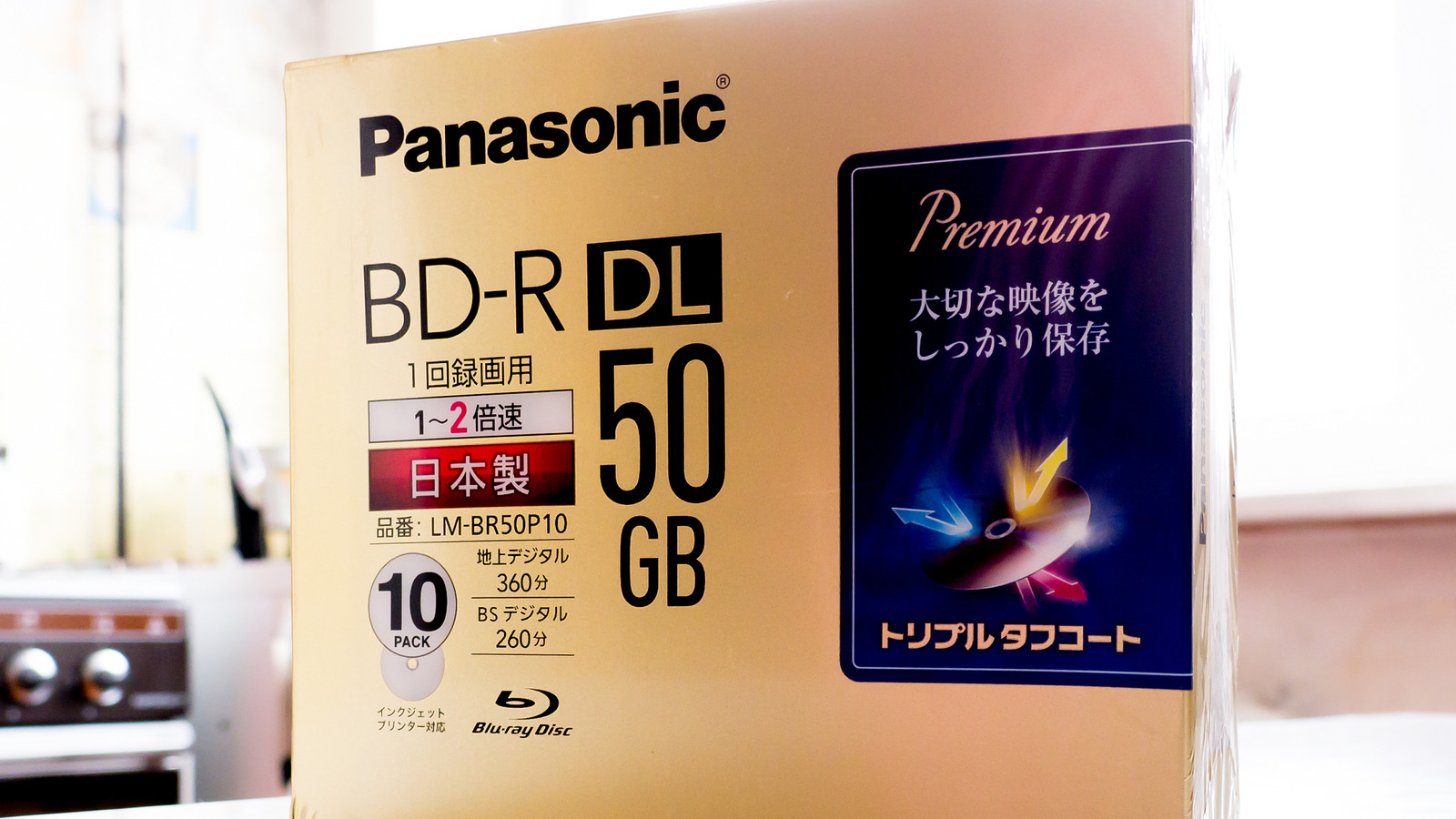
At this point, Blu-ray is a niche format, having mostly been supplanted by downloads, streaming and flash storage. But it's easily the format of choice for cinephiles, owing to higher ceilings on picture and audio quality. And if you want to archive files for a long time, Blu-ray may be more affordable, what with flash memory prices spiraling out of control.
How much can you trust recordable Blu-ray discs (BD-R), though? It's not an academic question if the files you're stashing are irreplaceable. If you make a bad decision, you could potentially lose your only digital copies of home videos, say, or a history of all your artistic projects.
Generally speaking, the news here is positive. BD-R may legitimately be your best option. There can be mitigating factors though, such as manufacturing quality, or simply having something to access the content on several years down the road.
Short of accidents, the main threat to Blu-ray discs is something called disc rot. This is actually an umbrella term for various forms of decay. The reflective layer can gradually become oxidized, for example. Moisture might attract mold, or cause the layers of a disc to separate. Then there's the matter of exposure to UV (ultraviolet) light, though that's more likely to cause labeling to fade than harm your data. You can potentially notice rot before popping in a disc — look for signs like discoloration or spots.
Source link