This article has been reviewed according to Science X's editorial process and policies. Editors have highlighted the following attributes while ensuring the content's credibility:
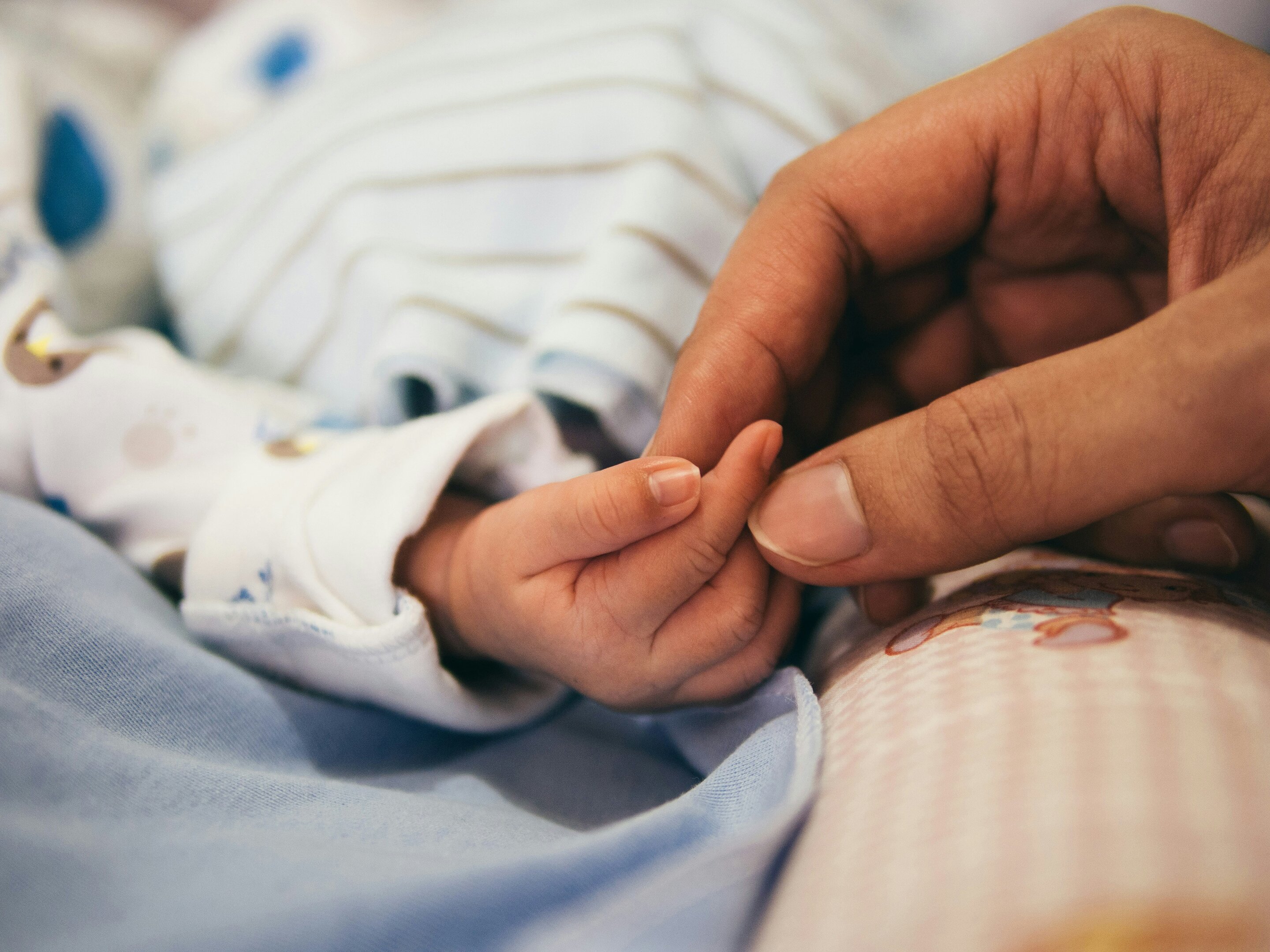
Around one in three women in Australia now have their labors induced rather than having them start naturally, or spontaneously.
The rate of induction increased from 25% in 2010 to 33% in 2023. For first-time mothers, it rose from 30.6% to 39.7% in 2023.
Labor can be induced using synthetic hormones such as prostaglandin or oxytocin. A balloon-shaped catheter can also be placed in the woman's cervix to open it up. Additionally, midwives or obstetricians can break the bag of water around the baby.
Induction of labor can be lifesaving when medically recommended. This might mean a sudden increase in blood pressure or fetal distress during labor, or going beyond 41 weeks' gestation.
But induction of labor is linked to an increased risk of some complications and poor birth experiences, our new research shows.
The World Health Organization recommends advising healthy pregnant mothers to be induced after 41 weeks of pregnancy due to the risk of stillbirth.
Our research, based on data from the national Birth Experience Study, compared the experiences of 5,230 women in Australia whose labor began spontaneously and 2,561 whose labor was induced. We adjusted for demographic, medical, obstetric and mental health factors.
We found induction of labor was associated with higher odds of forceps or vacuum births, emergency cesarean, episiotomy and reported fetal distress during labor.
Source link