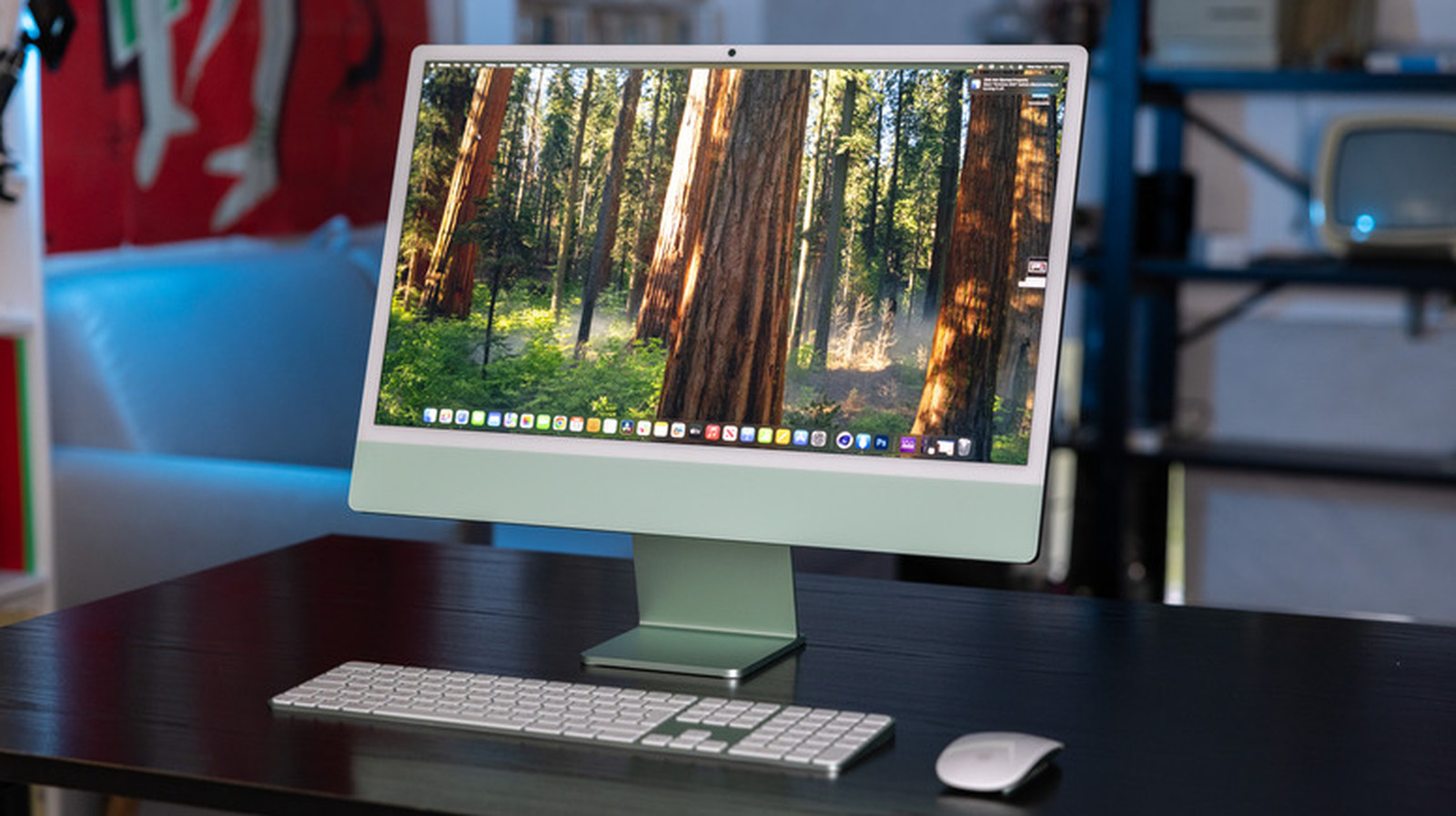
All-in-one (AIO) PCs pack an entire computer into a monitor, so you don't need a tower, extra cables or the desk clutter of a traditional desktop setup. They're not the same as mini PCs, which are small boxes you still connect to a separate display. AIOs are their own category, a halfway point between a laptop and a desktop.
That simplicity has made AIOs appealing to anyone who wants a clean modern-looking setup without much fuss. Thanks to their sleek design, they've become a staple of corporate offices and school computer labs. But the same design limits them. Squeezing every component into a slim chassis means sacrificing the upgrade flexibility and repairability you'd get from a traditional desktop.
So is an all-in-one the right choice, or would a traditional desktop or laptop serve you better? The answer depends on how you plan to use the machine, your budget and how much you value upgrading your own hardware.
The big draw of an all-in-one PC is simplicity. The central unit combines the actual computer and the monitor. Most bundles you find online, such as the Apple iMac, also include a keyboard and mouse. Just unbox it, plug in one cord and start working. Because they're ready-to-use systems that don't require getting tangled in a million wires, AIOs are a great fit for non-technical users.
With everything integrated into the display, AIOs take up very little space, especially when compared to a tower-and-monitor combo. This makes them particularly suitable for smaller apartments, dorm rooms and home offices.
Source link