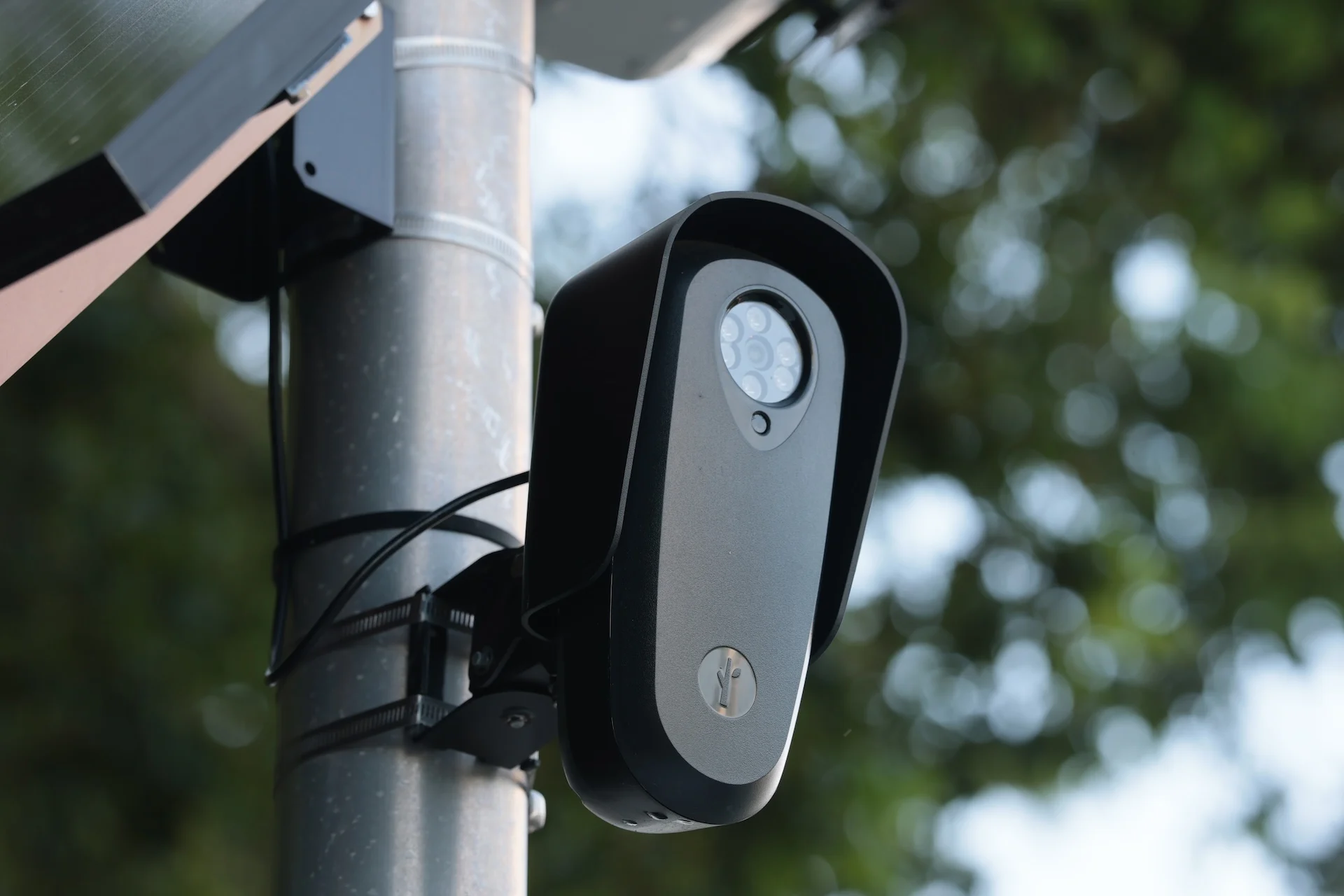
Police are increasingly using AI-derived pretext to justify pulling drivers over, claims a report by the American Civil Liberties Union (ACLU) on October 26. According to Jay Stanley, a senior policy analyst with the ACLU Speech, Privacy, and Technology Project, police are using AI algorithms and automated license plate reader (ALPR) surveillance data to flag motorists whose travel histories appear “suspicious,” even without evidence of wrongdoing.
- The data center cooling state of play
- The custom AI ASIC state of play
- America’s AI chip rules keep changing — and the rest of the world is paying the price
- GTC 2026: Ian Buck press Q&A transcript — VP of Hyperscale and HPC speaks out on shelving CPX and shipping LPU decode this year
- Demand for data center CPUs has surged, and AI agents are responsible
Condemning the approach and the use of mass surveillance in general, Stanley expressed concerns that this approach to law enforcement would lead to an uptick in the controversial “pretextual stops” and that “More and more people will be subject to police encounters as these AI algorithms inevitably sweep in far more innocent people than actual wrongdoers.” The report details several incidents, including one in which a woman claims an officer stopped her during a cross-country road trip because a surveillance system he was using had flagged her movements as suspicious. The system has accessed ALPR data on where she had been driving.
ALPRs installed along roads and highways photograph passing vehicles and record their registration numbers, locations, and timestamps.
Source link