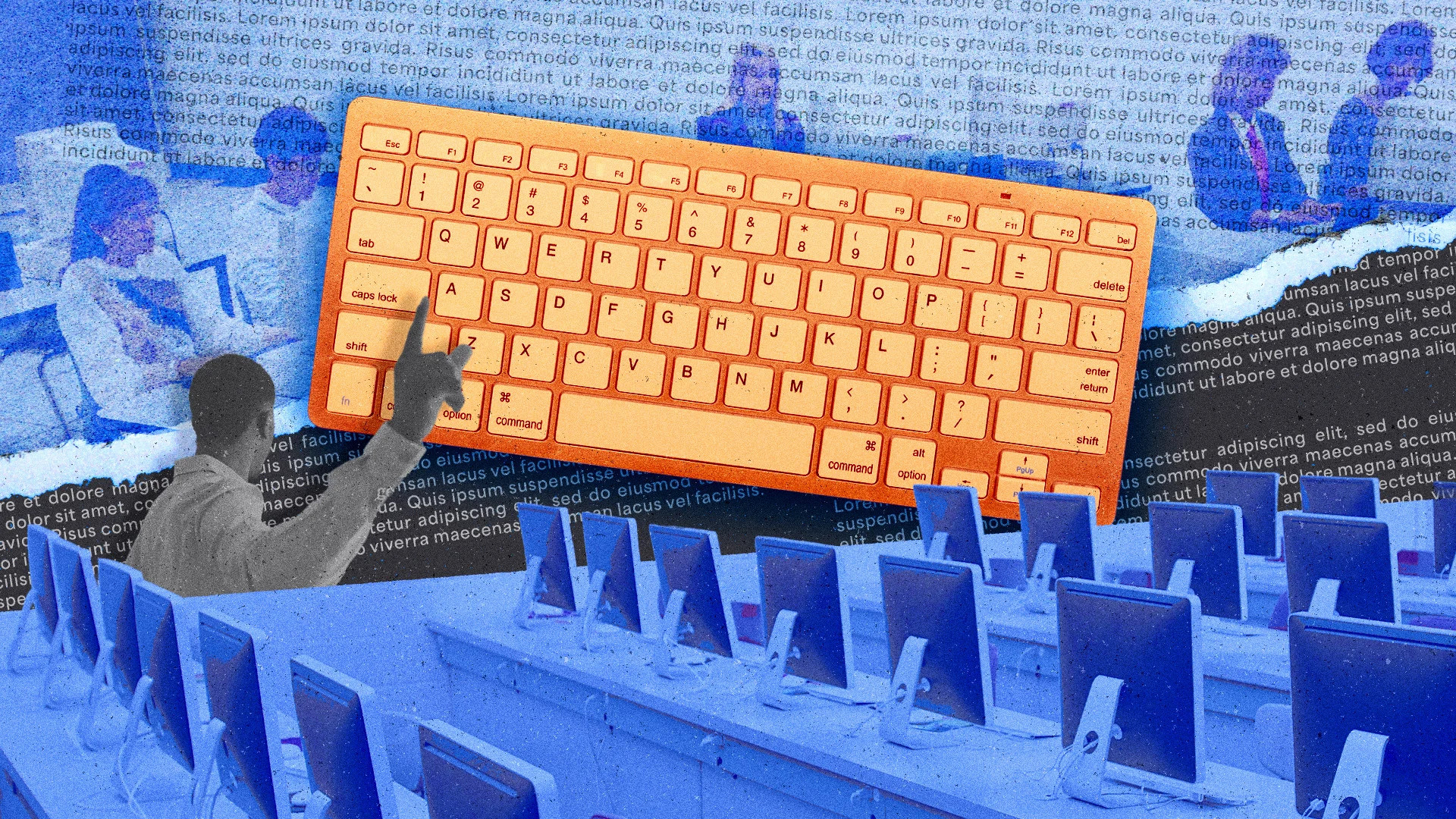
If you're unfamiliar with the name, she was the not-entirely-real icon behind classroom software that taught generations of students touch typing. Beacon was a celebrity of early digital literacy, with generations of learners collectively misremembering her as a real-life elite typer — not just a made-up name attached to the likeness of model Renée L'Esperance.
Still, Beacon became an avatar for the digital dreams of the pre-Y2K generation. The software, full name "Mavis Beacon Teaches Typing," was an entry point to the world of technology for thousands of children who would later grow into a computer-skilled workforce. Before entering the rat race, though, these students would be required to attend "Computer Lab," where they would visit typing.com to compete for the highest WPM ("words per minute").
Now, most kids don't go to a computer lab. They boot up their personal Chromebooks at their desks, log onto their school's assignment portal, complete their tasks with help from AI, and go back to their phones or iPads.
Concern about technology's impact on student learning has reached a critical level. A recent longitudinal study of students aged 7 to 16 found that early adoption of social media negatively impacted kids' learning outcomes. Child development researchers and safety advocates have called for an end to screen time in classrooms as literacy rates decline. Generative AI is sending everyone spinning.
But the kids are still learning. They're just not learning the same things their parents did — especially about computers.
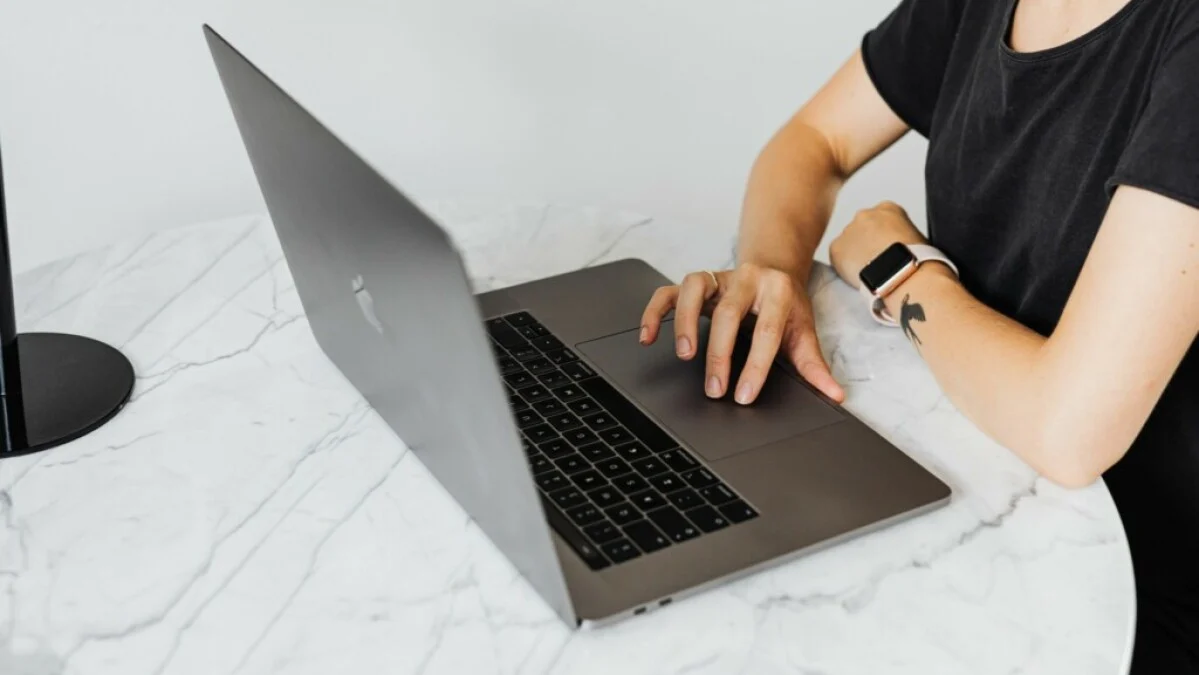
Mavis Beacon's memory may live on, but touch typing — or being able to type using just sightless motor memory — has turned into a dying art.
Source link