After a scorching summer heatwave and drought left my lawn bare and patchy, I knew it needed serious fall maintenance. I’ve already reseeded the damage, but with winter fast approaching, the big question is whether the grass seed and tender new growth can survive the first frost.
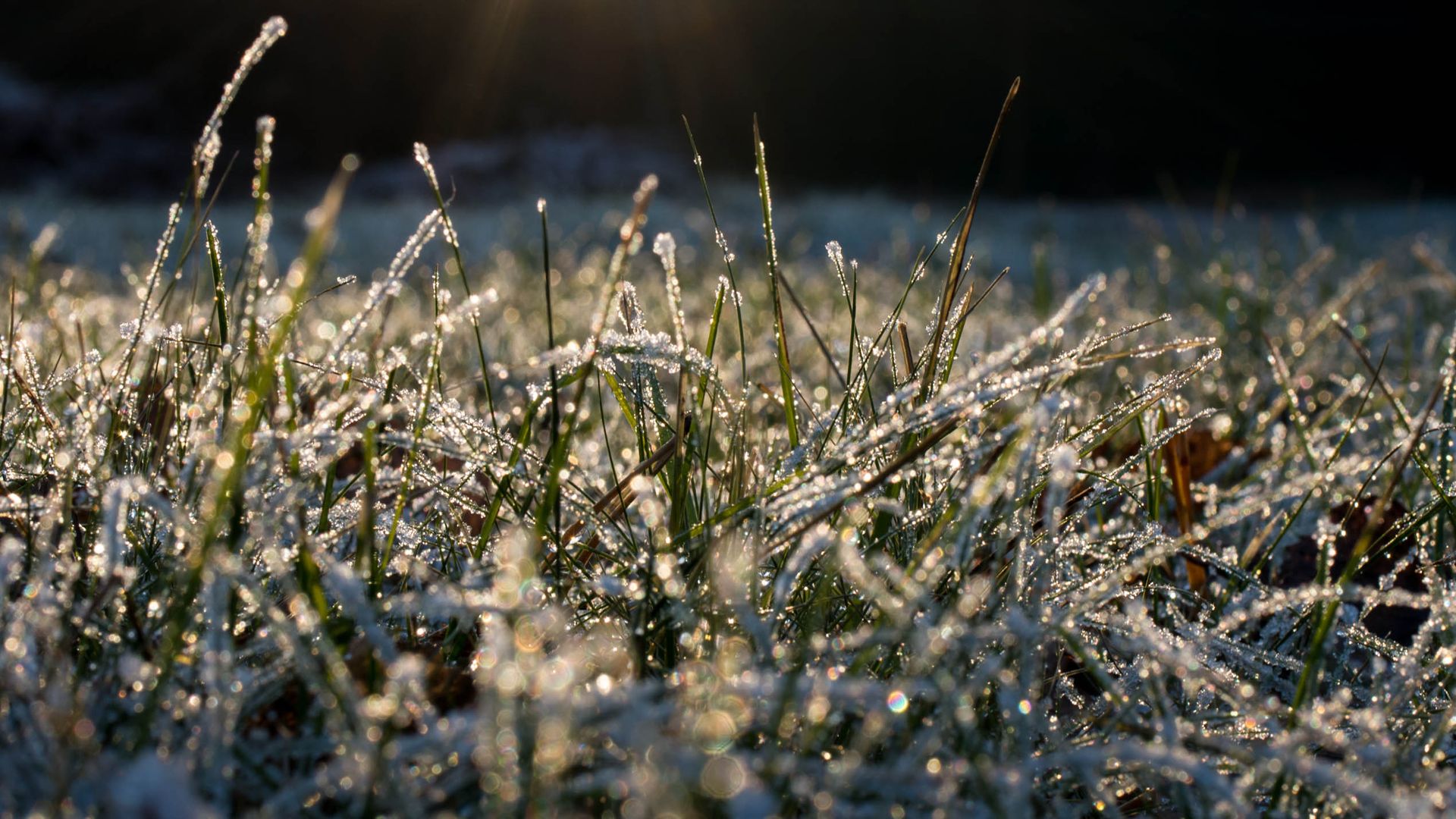
As temperatures drop, you can’t ignore the inevitable; it won’t be that long until you draw back your curtains to find a white, frosty lawn. The exact date of the first freeze depends on your location, but getting your reseeding done early if crucial if you want your new seed to survive.
Whether your newly seeded lawn can survive a frost depends on two things. If the seed has not germinated the frost won’t kill it. Instead it will go dormant in the soil, and it should survive, then germinate once the temperatures warm up.
But it’s another issue if the seed has already germinated and started to sprout. At this point it doesn’t have the strength and root system to store energy to help it survive a cold blast.
If you’re sowing grass seed this fall, give it at least six weeks before the first frost so the roots have time to establish. If you don’t already know the first frost date in your area, you can enter your ZIP code in The Old Farmer’s Almanac Frost Calculator . This should tell you whether you’ve left it too late to sow grass seed, or if you still have a 6-week window to get your seed sown.
Source link