This is today’s edition of The Download, our weekday newsletter that provides a daily dose of what’s going on in the world of technology.
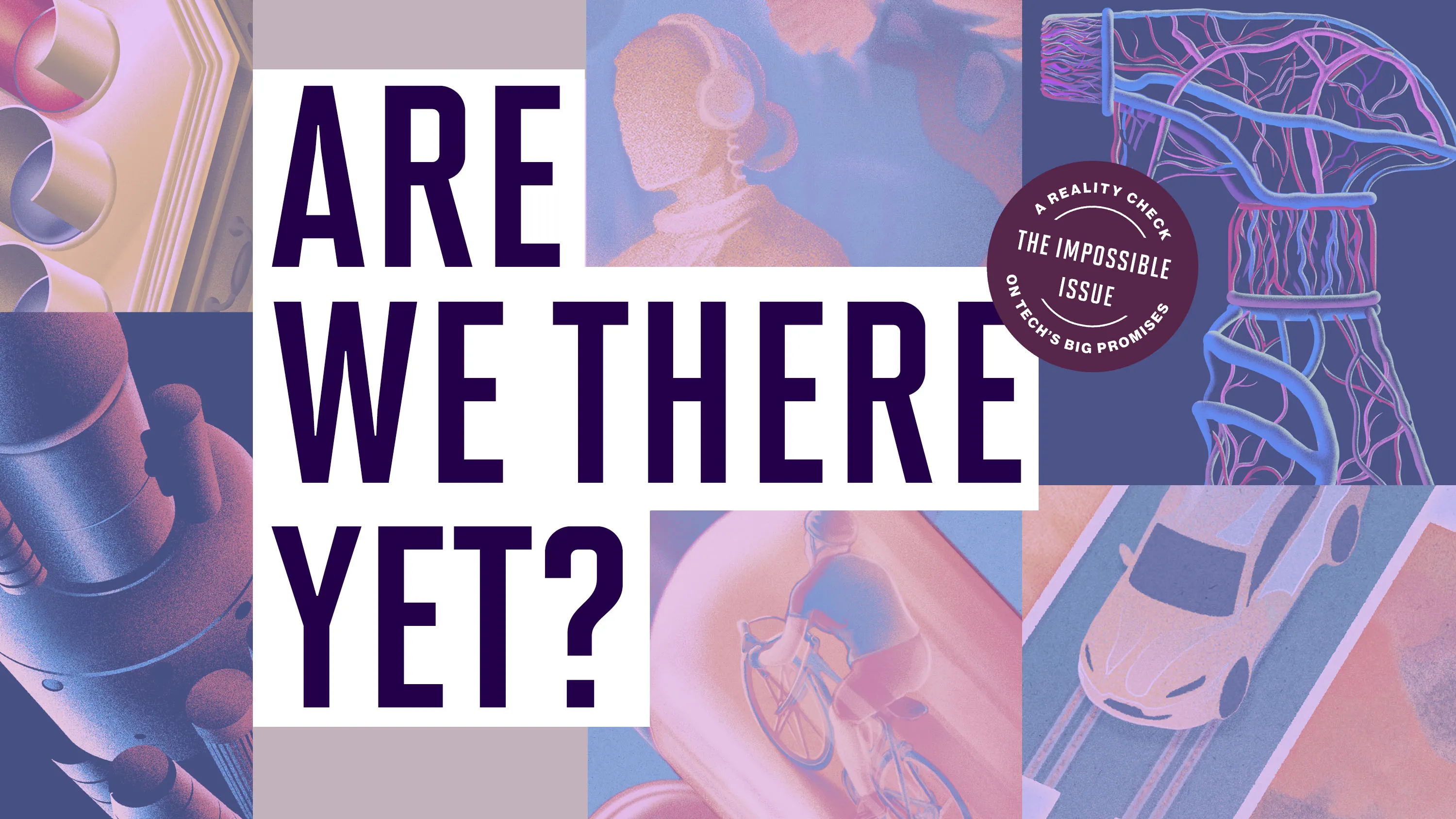
Some seemingly impossible feats are too good to give up on. Decoding a pet’s yowls and yips? Absolutely. Scrubbing the world of forever chemicals? Yes, please. Rocketing to Mars in a fraction of the time? Sounds great, but how close are we, really?
In the new Impossible issue of MIT Technology Review, we ran progress reports on six potentially transformative technologies and ideas that have been “just around the corner” for years, or even decades. From exercise in a pill to nuclear-powered spaceships, we asked experts what’s holding them back and how far they’ve come.
Over the coming days, we’ll unpack each of the six technologies in The Download. So stay tuned!
Earlier this week, I attended a screening of You Can See Everything, the buzzy new documentary about the disgraced former biotech CEO Elizabeth Holmes.
Like many others, I came away feeling unsettled. But not just about Holmes’s fraud and the disturbing interactions between the subjects. The film reignited a concern I’ve had about covering science for most of my career: Despite our best efforts, we never can actually see everything.
The film is a stark reminder of how easy it can be to fall for an appealing narrative. This is why it left me questioning how we cover science.
This story is from The Checkup, our weekly biotech newsletter. Sign up to receive it in your inbox every Thursday.
Source link