Your smart devices don't have to stop working when your Wi-Fi does.
With Apple finally developing new smart home products, now's a great time to remind everyone that though the technology can improve your home's look and convenience, there are also a few hazards involved. If you're overly ambitious with your routines, for example, smart bulbs might switch off when people need them. Once, while we installed a smart thermostat, the heat ran dangerously out of control until we fixed an obscure flaw.
For many of you, the biggest issue is going to be offline resilience. When internet access goes down, some smart home accessories can go "dumb," either maintaining their last state or failing to work at all. Usually, this is just an inconvenience. If you're counting on an accessory for health or security, however, this can become a legitimate crisis.
Thankfully, there are ways of building a smart home around offline automation without investing in the custom systems you find in mansions. It's just a matter of anchoring your gear around the right peripherals and protocols. And if you caught the pun just now, you're one step ahead.
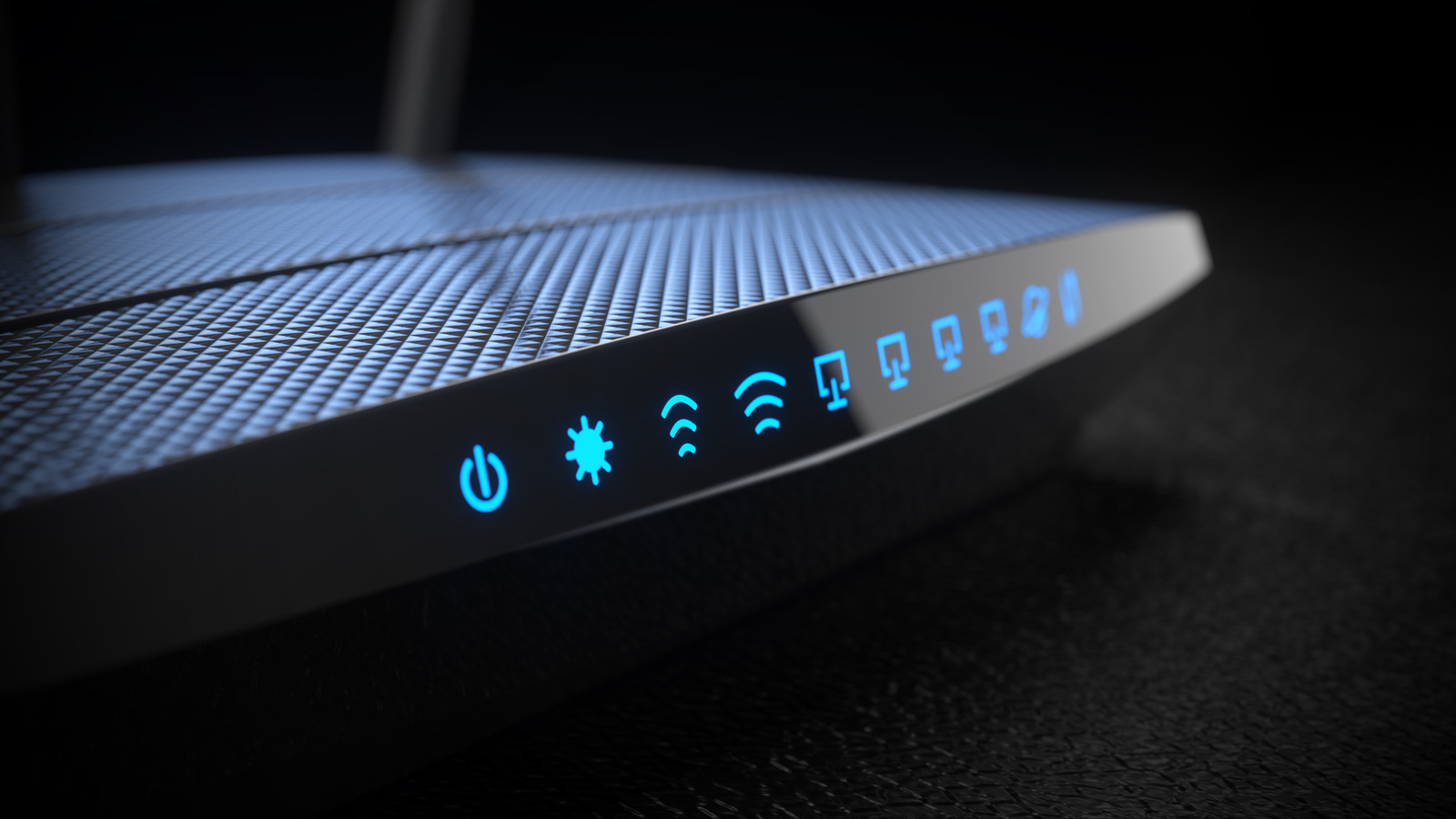
The reason so many accessories turn dumb is that they connect directly to Wi-Fi to fetch instructions from a cloud server. Wi-Fi accessories are often the easiest to set up — if the internet goes down, however, or if your Wi-Fi router encounters hiccups, they may have no way of storing and triggering automations on their own. They may not even switch on or off at scheduled times, which you'd think would be dead simple.
Source link