This article has been reviewed according to Science X's editorial process and policies. Editors have highlighted the following attributes while ensuring the content's credibility:
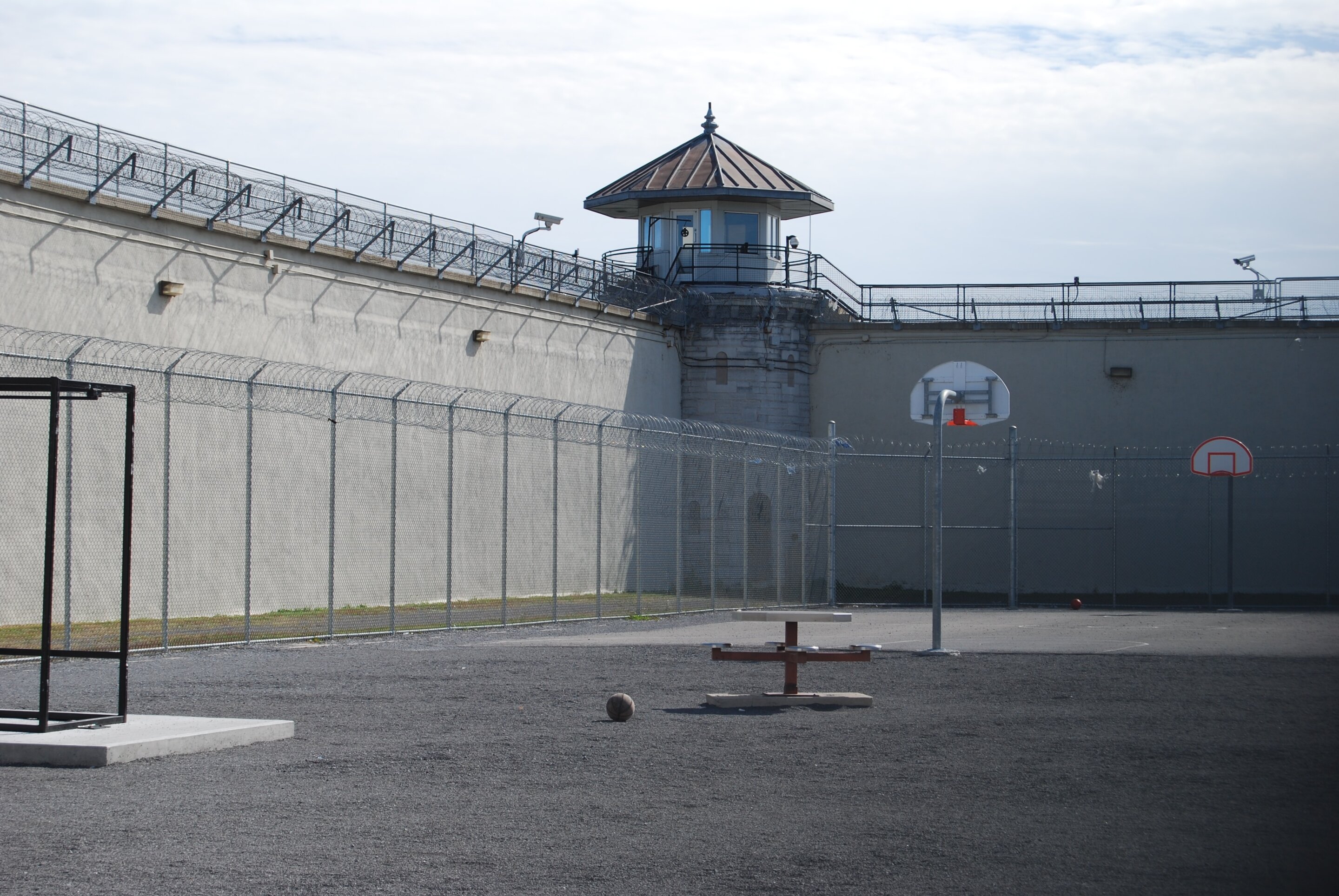
When outdoor temperatures spike to 103 degrees Fahrenheit (39 degrees Celsius), or drop to -9 F (-23 C), like they did across Pennsylvania last year, people locked up in jails and prisons cannot simply turn on the air conditioning or find a public warming center.
For several years, people in custody, advocates and local media have sounded the alarm about the dangers posed by extreme temperatures in Pennsylvania's state prisons.
Conditions inside Pennsylvania's prisons have been described as a sauna during a summer heat wave and bitterly cold in the winter, especially when heating systems have malfunctioned. Amy McBride, a woman in her early 60s incarcerated at MCI Muncy, told the Prison Journalism Project, "I tend to wear two to three layers of pants and four to six layers of shirts (in winter), sometimes with my jacket and coat over them."
I am an epidemiologist who studies the health of incarcerated people. My colleagues and I put numbers to these warnings in a recent study. We found that extremely hot and cold temperatures were associated with higher rates of deaths, infirmary admissions and transfers to external medical facilities among imprisoned people in Pennsylvania over the past 20 years. The paper is published in the journal Nature Communications.
While these temperature hazards are not unique to Pennsylvania, several factors make this issue a particular concern for the state.
Source link