If you've spent a considerable amount of time building and maintaining custom PCs, you've likely seen it all. You've seen fads come and go, and you've seen emerging technology become permanent fixtures. Recently, however, we've all seen the disastrous end results of what is now being referred to as RAMageddon.
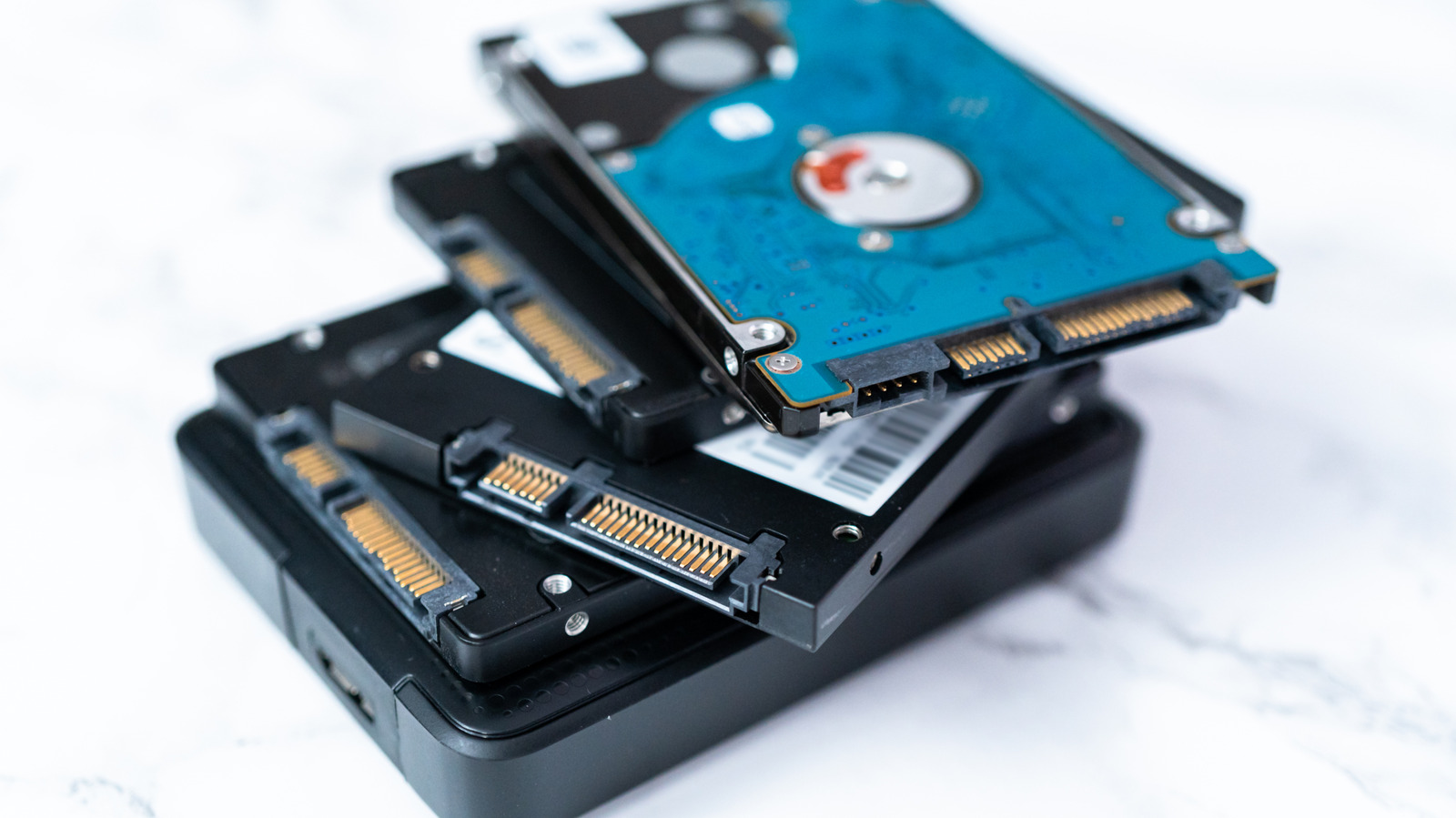
The chip shortage that we're dealing with today often feels reminiscent of the one from 2020, when both video game consoles and prebuilt PCs became frustratingly difficult to obtain, though they each have different root causes. While RAM, processors and even video cards are experiencing some astonishingly high prices, two PC components that have found themselves slightly shielded from the massive price hikes are hard drives and solid-state drives.
Though they are still being heavily impacted, the industry appears to be heading toward some form of relief. It may just take a bit of time to get to the finish line.
The current market for HDDs and SSDs is an interesting one. Regardless of whether you're buying an enthusiast drive with upwards of 20 terabytes of storage or something on the lower end, you're going to be paying significantly higher prices due to the chip shortage.
In the long run, however, deciding on the actual purchase of any kind of storage is a complicated one. Traditional mechanical hard drives have been pushed aside for years in favor of SSDs, but they do still have their uses in today's market. Though they are not ideal for gaming and often seem to move at a snail's pace compared to even baseline-level SSDs, they do function quite well for mass storage of photos, videos and documents.
Source link