Home > Smart Home > Smart Plugs > Smart Plugs & Switches
Smart plugs can give your dumb devices a new lease on life, but not all are safe to use with one.
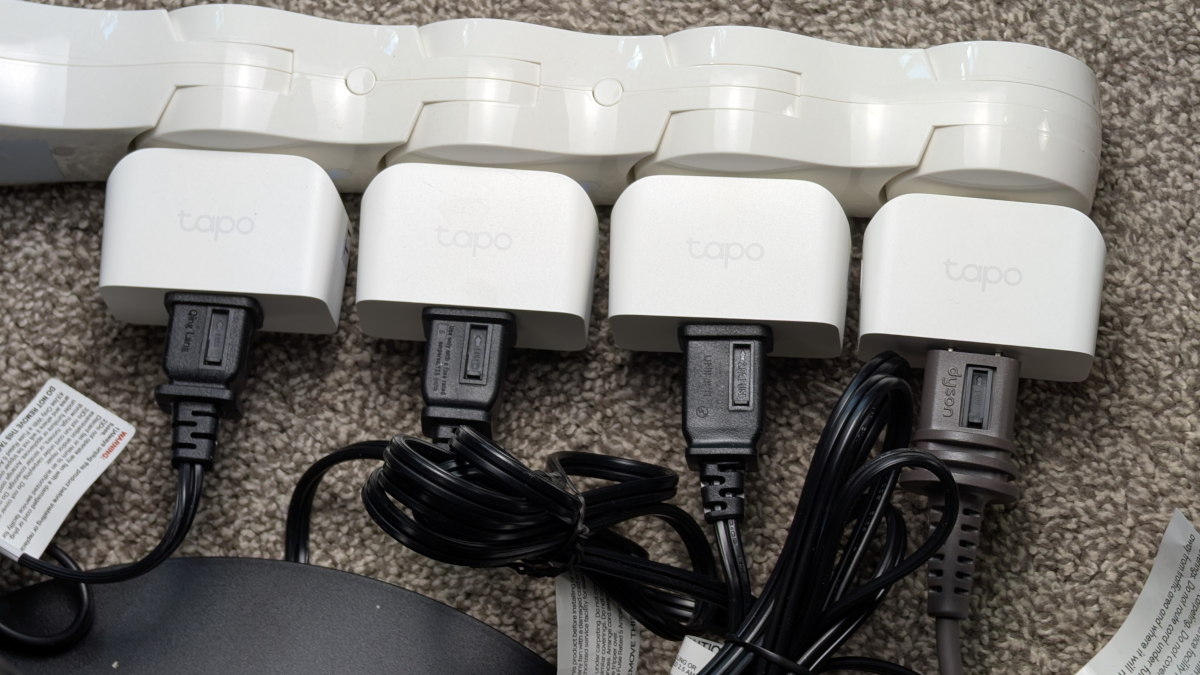
Tapo P115 smart plugs were used to monitor each fan's energy draw in low and high modes.
Smart plugs offer incredible convenience for your home. They’re an easy way to upgrade basic “dumb” electronics, like lamps and fans, with modern capabilities, like app or voice control. However, they’re not designed to handle everything.
Certain high-powered and critical appliances can lead to damaged equipment when plugged into your smart plug, creating safety risks or leaving essential systems vulnerable to failure. Most smart plugs are built for relatively low, steady electrical loads, not devices that generate heat or that rely on motors.
We talked to Kamran Khan, the founder and managing director of SilverWater Plumbing and Electrical, to learn about some common devices you should never plug into your smart plugs and why it matters.
Plugging basic space heaters into a smart plug is a fairly common mistake, and it’s one you should avoid. Many portable space heater models draw between 1,200 and 1,500 watts continuously, right around the upper limit for most consumer smart plugs. It’s also worth noting that most US outlets are suited for 15 or 20 amps, while some smart plugs from less reputable manufacturers aren’t rated for that amount of draw.
There’s also the issue of energy draw spikes. High-wattage heating devices like space heaters can draw from 1,000 to 1,800 watts in instantaneous spikes, according to Khan.
Source link