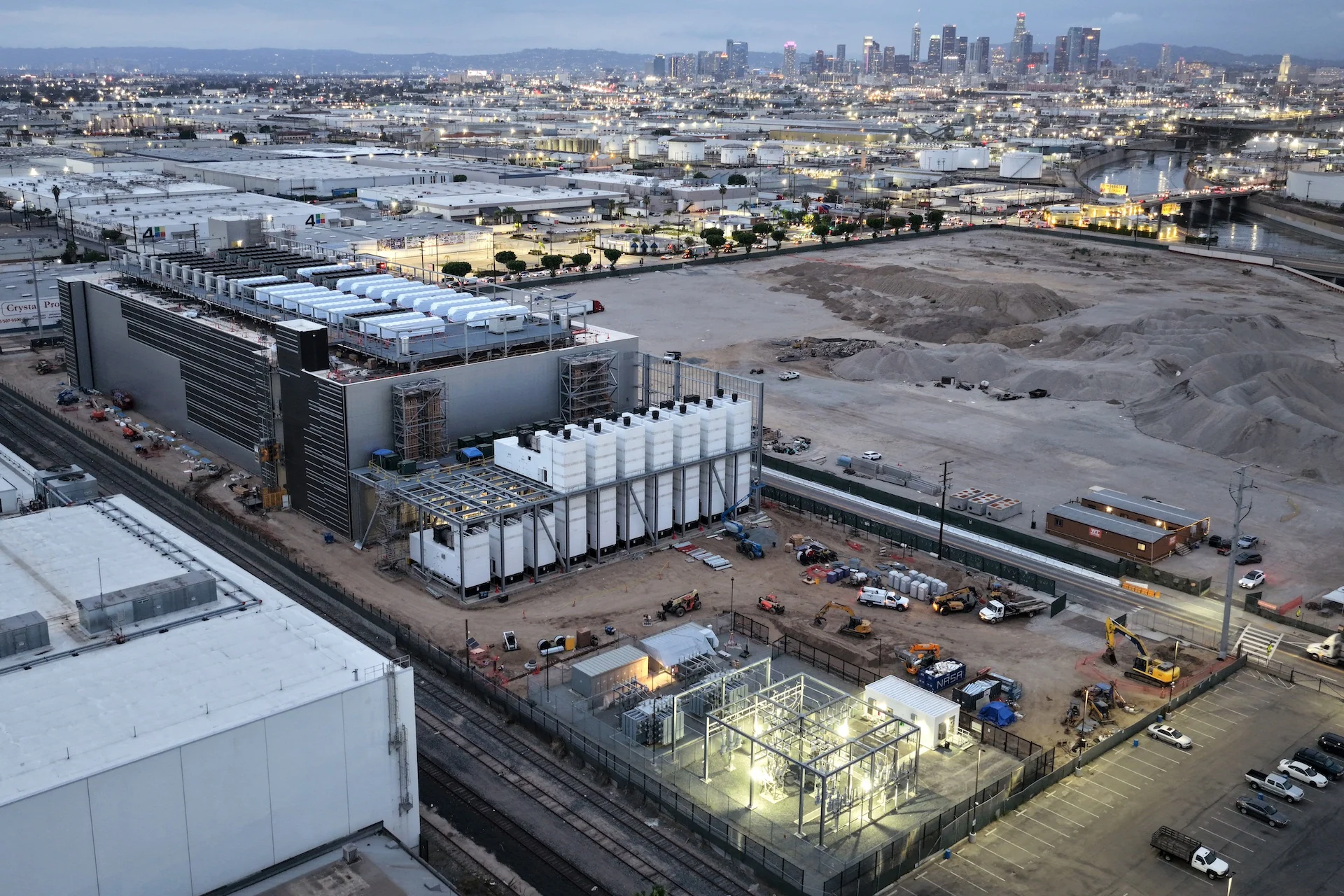
On Tuesday, cities and townships across the United States will decide whether or not they want to live alongside data centers, the sprawling facilities fueling the AI boom.
Supporters—including President Trump—say data centers can supercharge job growth, tax revenue, and local economies generally. Opponents argue that they’re noisy polluters that drive up electricity and housing costs. The majority of American voters seem to fall into the latter camp: A Gallup poll conducted in March found that over 70% of U.S. adults oppose the construction of data centers in their area, while a September report from the Pew Research Center showed that the public’s distaste toward the complexes has grown over the course of the year.
A total of forty-one data center-related ballot measures will be determined in this year’s midterm elections, according to the nonprofit BallotPedia. More than half of those are being floated by towns in Ohio; communities in Maine, New Hampshire, New Jersey, Florida, Michigan, Wisconsin, Illinois, Arkansas, Kansas, North Dakota, Nevada, and North Dakota will also vote on data-center-related measures. While they vary in objective and scope, each of the initiatives would either make it easier for tech companies to move ahead with the development of new facilities, or add legal guardrails preventing future construction. And though the votes will, for the most part, be playing out in small communities you’ve probably never heard of, the results will be a collective bellwether of Americans’ enthusiasm (or lack thereof) towards AI itself.
Here are the four big legislative categories we’ll be keeping an eye on:
Source link