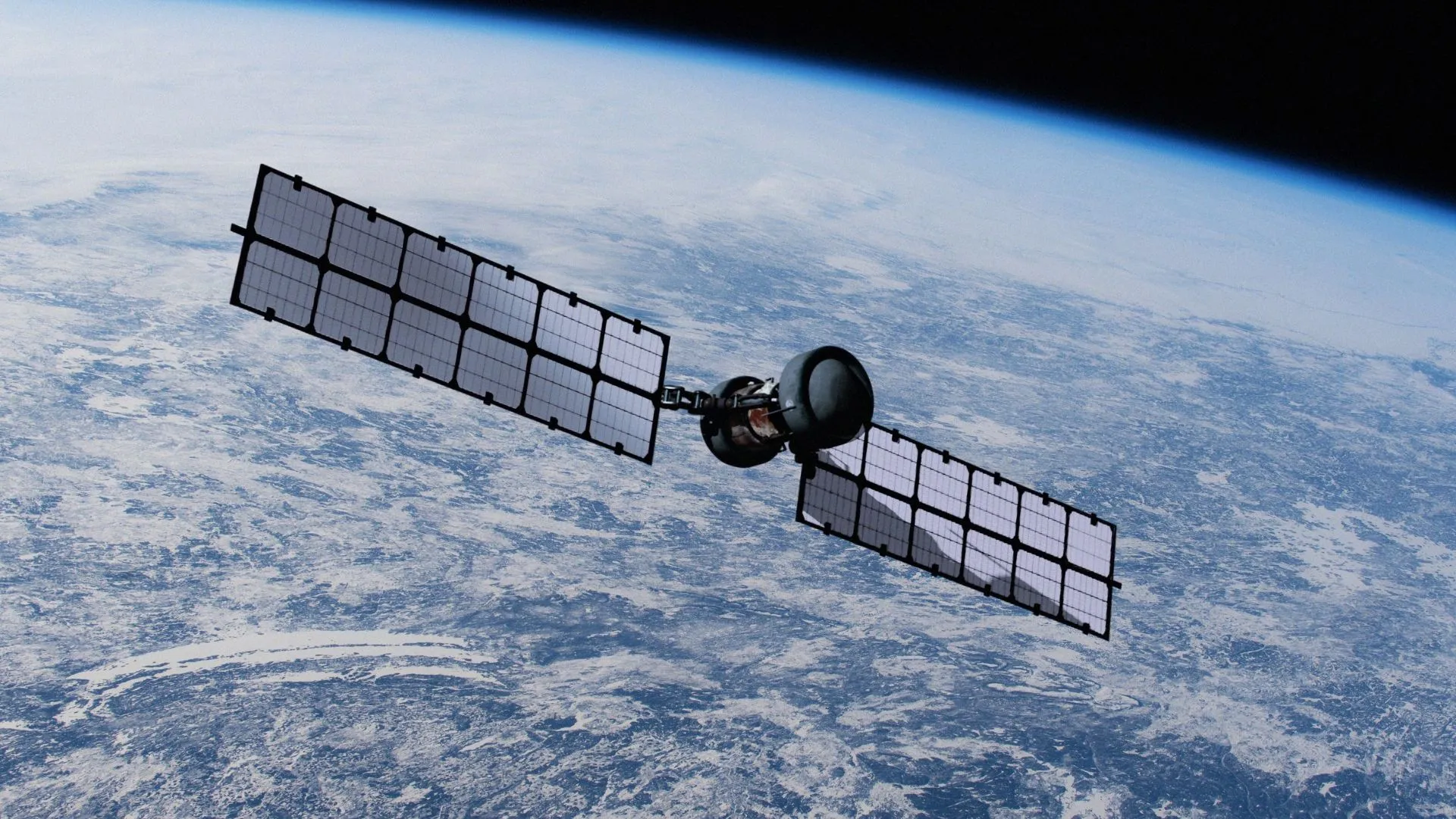
Running out of fuel might leave a car stranded, but a satellite keeps moving. Even with an empty tank, it can continue circling Earth long after its useful mission has ended.
Fuel allows satellites to adjust their orbits, maintain their positions, and avoid potential collisions. Once it runs out, a spacecraft may still have electricity and working instruments, but lose the ability to make these maneuvers.
What follows depends largely on altitude and whether operators prepared for retirement. Some satellites gradually return to Earth, while others remain in space long after they stop working.
A satellite does not need an engine running continuously to stay in orbit. Its forward motion carries it around Earth while gravity pulls it toward the planet. It is constantly falling, but moving sideways fast enough to keep missing the ground.
Propellant helps change that motion. Thrusters can raise or lower an orbit, correct a satellite’s position, or move it away from a predicted collision.
Without usable propellant, those options disappear unless another propulsion system or servicing spacecraft can help.
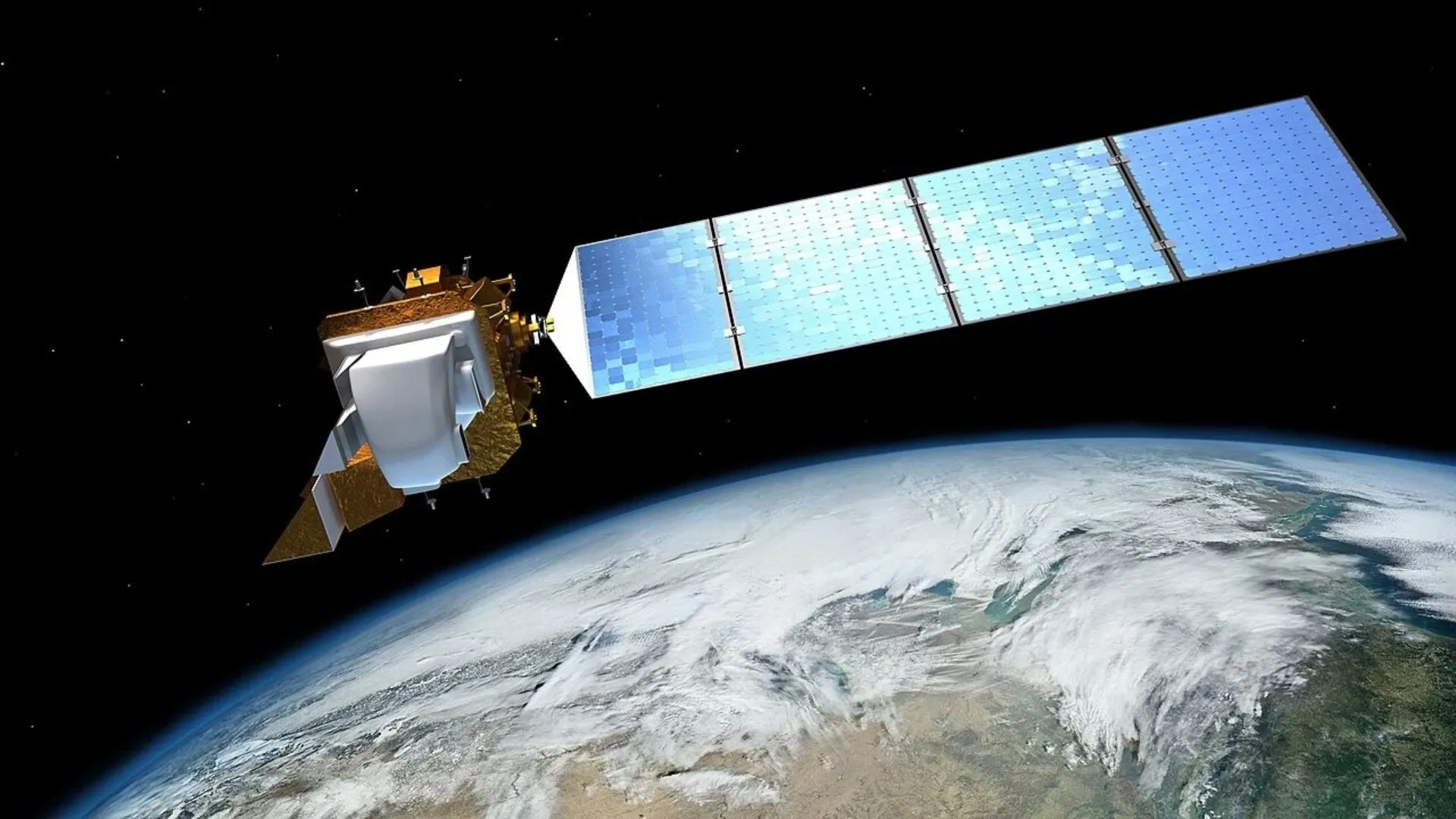
However, an empty fuel tank does not automatically switch off the electronics. Most Earth-orbiting satellites draw electricity from solar panels, with batteries supplying power during periods without sunlight.
Some can also use electrically powered reaction wheels or magnetic devices to control their orientation. Whether useful operations continue depends on the spacecraft’s design and mission requirements.
In low Earth orbit , satellites encounter traces of the atmosphere. This creates drag, which gradually removes orbital energy and lowers their altitude.
Source link