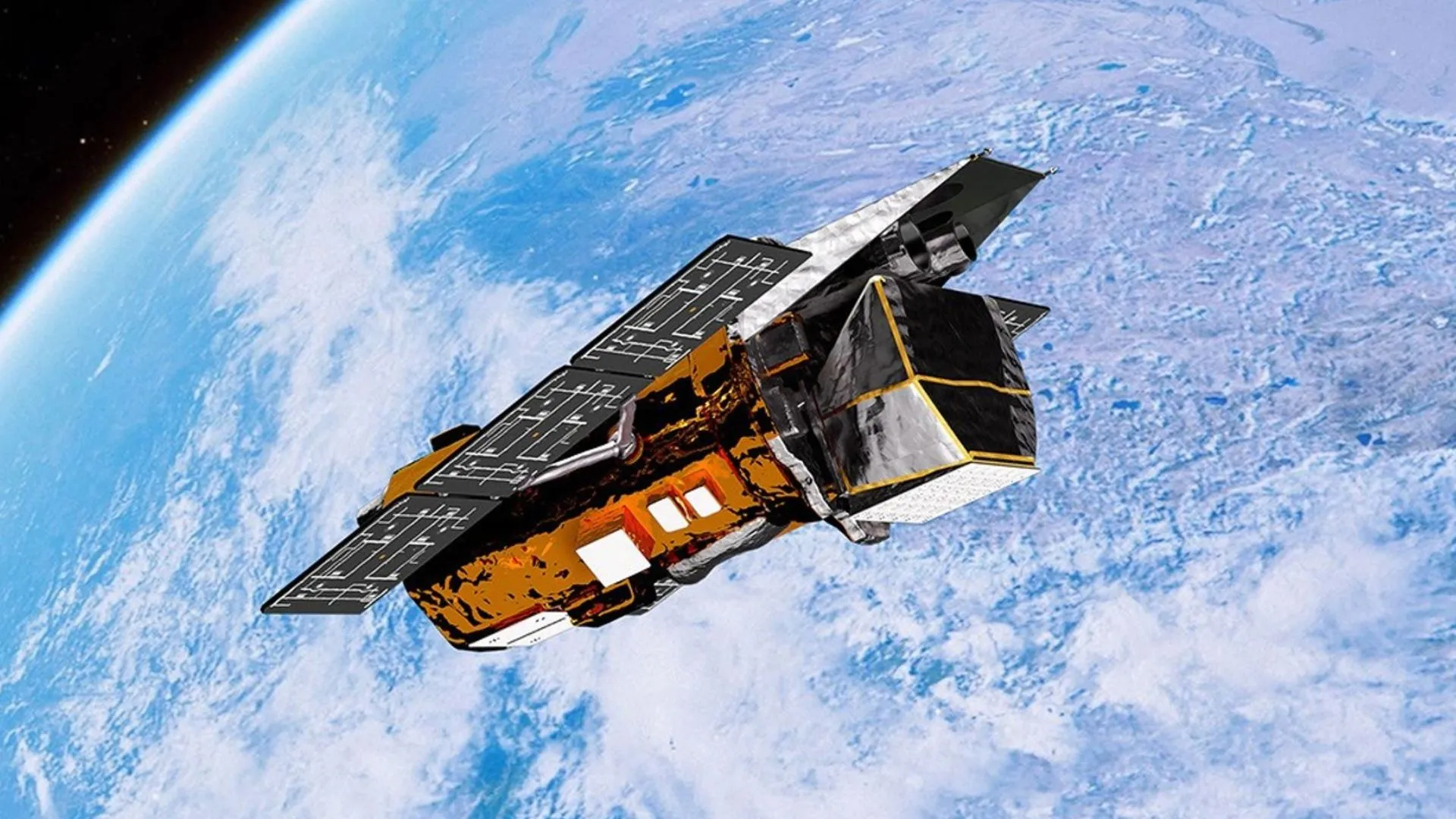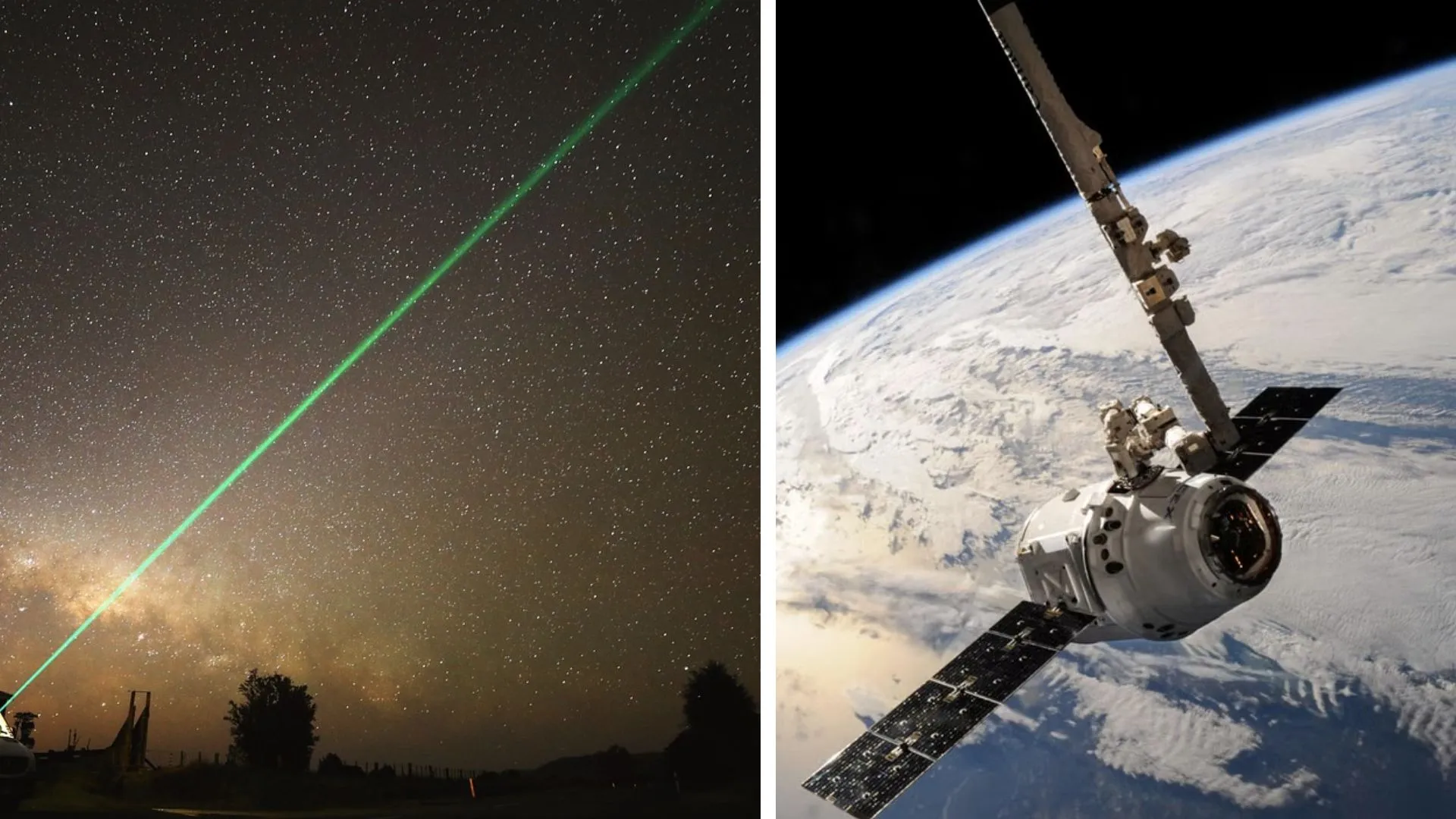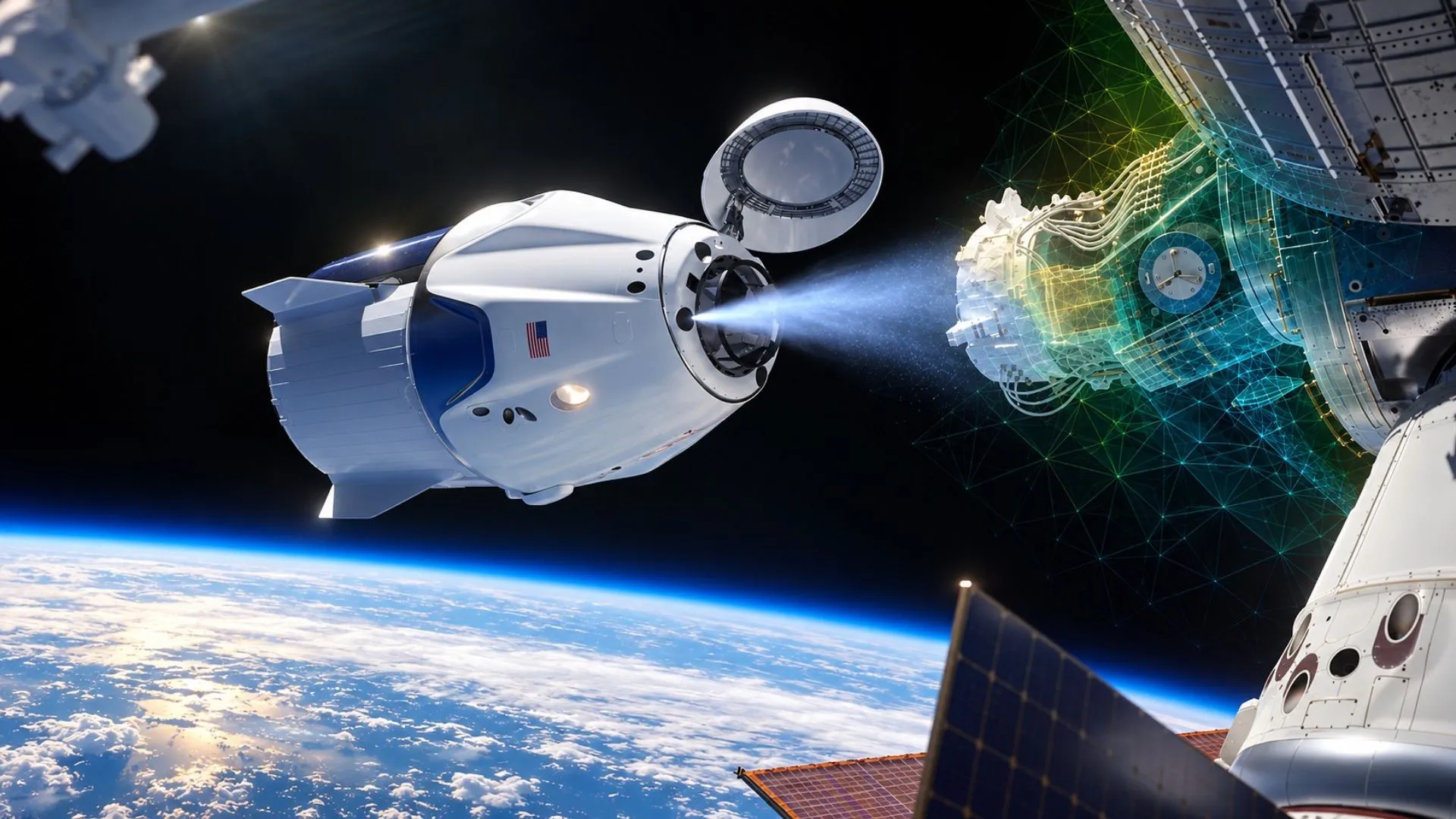
Flexcompute has developed a faster way to simulate how rocket thruster exhaust impacts nearby spacecraft in orbit.
The firm has introduced its new Physics Twin for Space Plume Impingement, powered by a Physics World Model.
According to the company, the tool is designed to help mission teams with complex rendezvous and proximity operations (RPO), such as autonomous docking, satellite servicing, and refueling. It evaluates thruster exhaust risks (forces, heating, erosion, and contamination) on nearby spacecraft.
Existing simulation methods take days to calculate these complex particle interactions; hence, this new development is beneficial.
Commercial space operations like autonomous docking, satellite servicing, and in-orbit refueling face severe risks from plume impingement. Exhaust from a thruster can destabilize nearby vehicles, damage outer surfaces, or obscure navigation sensors.
Previously, Direct Simulation Monte Carlo (DSMC) predicted these high-velocity particle collisions. DSMC requires massive computational resources, restricting mission teams to testing only a limited number of flight paths. Flexcompute offers a new solution to overcome these computational limitations.
This tool reduces long computational delays. It could help engineers and autonomous AI flight agents to simulate hundreds of close-range maneuvers in a fraction of the time.
The technique is Tokenized Physics. The system combines neural networks with a novel Boltzmann solver within a unified framework to deliver DSMC-grade precision at groundbreaking speeds.
Flexcompute bases its architecture directly on physical laws, avoiding the fragility of typical AI surrogate models when encountering unfamiliar scenarios. The software adapts instantly to new craft geometries and firing sequences without requiring retraining.
Source link