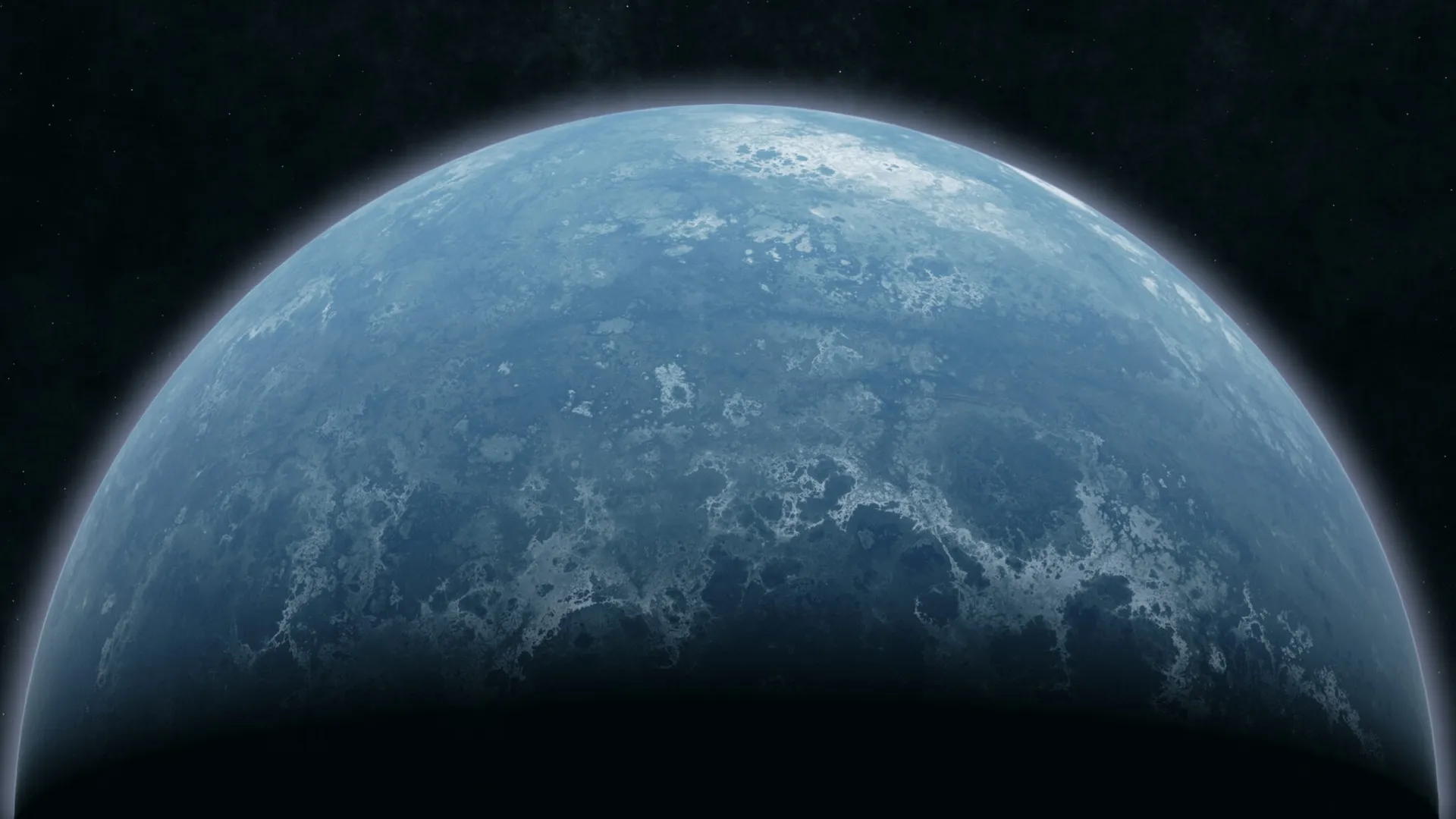
Scientists have built a computer model of Earth without life to help determine whether distant planets could host living organisms or merely have conditions that resemble those of an inhabited world.
Researchers at the University of Washington developed a simulation that models how chemicals move between a planet’s core, mantle, crust, surface and atmosphere over billions of years. The model could help astronomers identify atmospheric signals on rocky exoplanets that cannot be explained by geological and other non-biological processes.
The distinction matters as scientists search for signs of life beyond our solar system. Astronomers have cataloged more than 6,000 exoplanets and are examining the atmospheres of promising worlds for gases that could indicate biological activity. However, finding a potentially habitable planet does not establish that life exists there.
To address this challenge, the researchers simulated Earth’s geochemical evolution over five billion years, covering its formation around 4.5 billion years ago and extending roughly 500 million years into the future. The model excludes the influence of living organisms, allowing scientists to examine how a planet’s systems could evolve without biology.
The simulation builds on an earlier model developed in the laboratory of Rory Barnes, an associate professor of astronomy at the University of Washington. Previous versions included the planet’s core, mantle, crust and stellar radiation but did not account for the surface and atmosphere.
Lead author Samantha Gilbert-Janizek expanded the model to include those missing systems, creating a more complete picture of how chemicals move throughout a rocky planet. The simulation reproduced 19 planetary properties, including heat flow through Earth’s mantle.
Source link