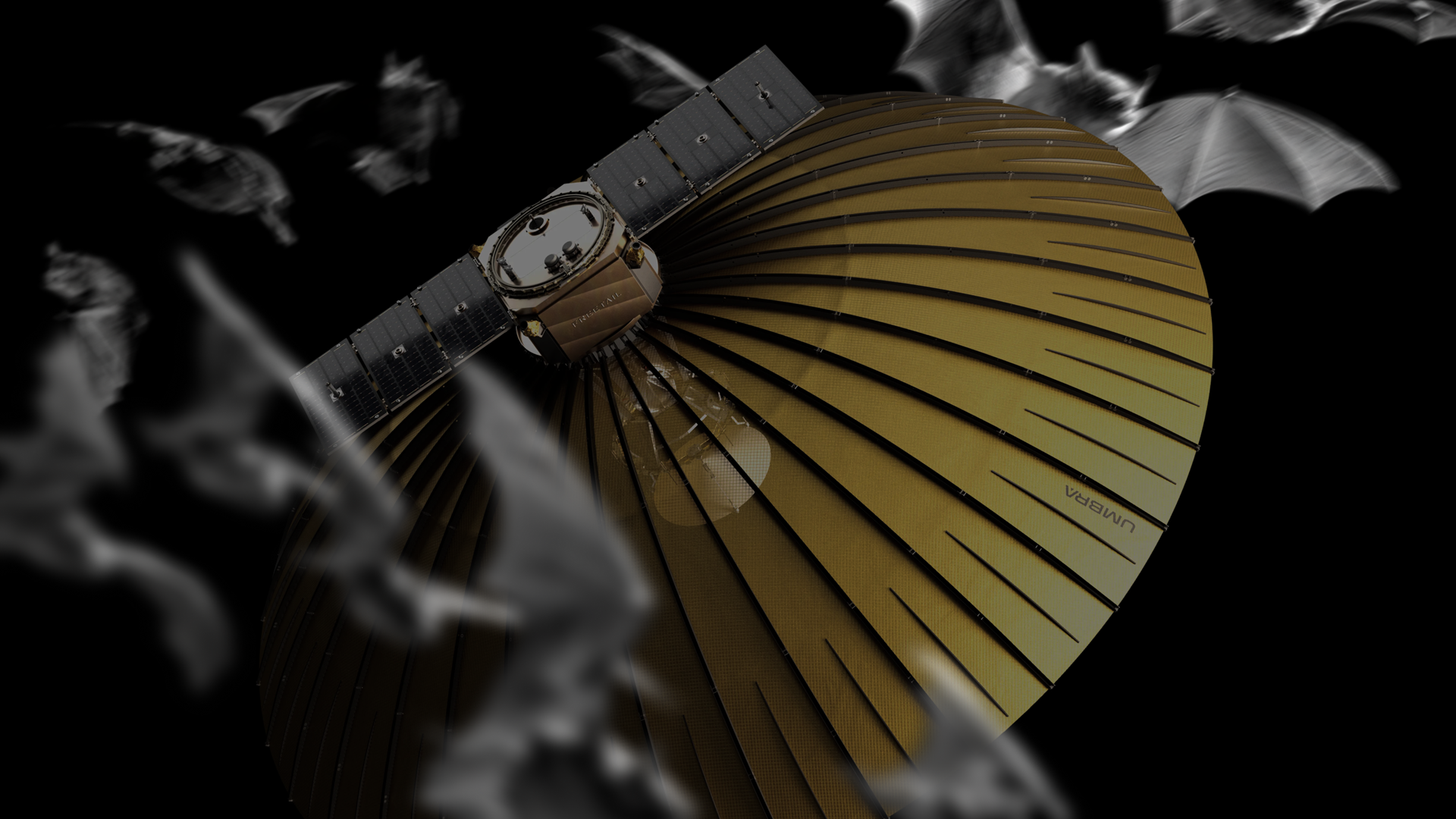
US space technology company Umbra has unveiled a next-generation radar satellite designed to capture images of Earth’s surface at resolutions as fine as 5 centimeters from orbit.
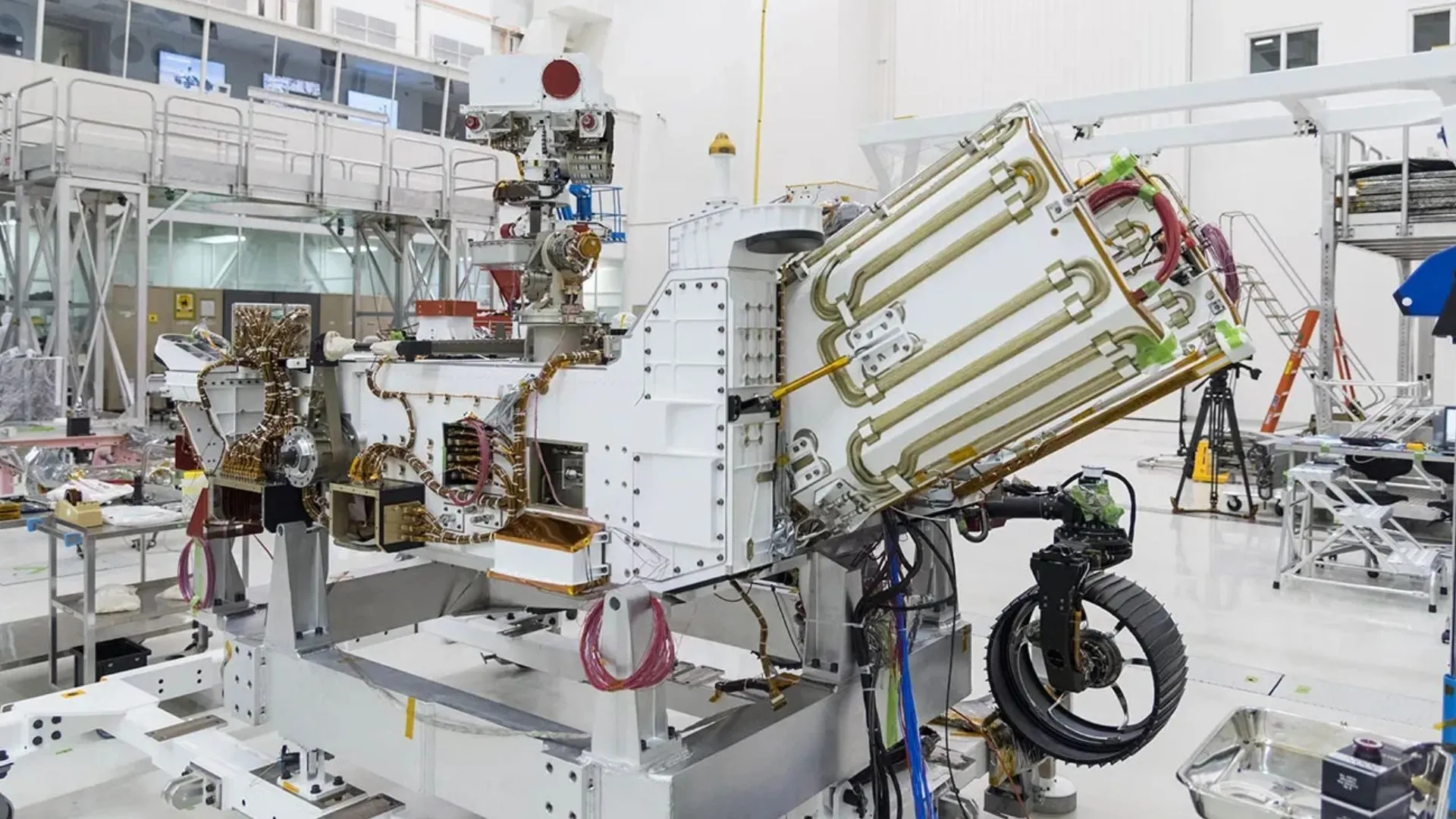
Called Freetail 5 (FT-05), the spacecraft combines a 5-meter high-gain mesh antenna with a software-defined architecture on a satellite weighing approximately 200 kilograms. The company said the system is designed to deliver radar imaging capabilities traditionally associated with much larger spacecraft.
The satellite is part of Umbra’s new Freetail family of US-built, multi-mission spacecraft. It features four times the radar power and twice the antenna area of the company’s existing technology, with 20 square meters of deployed antenna area.
According to Umbra, the system can produce hundreds of high-quality images at 25-centimeter resolution per satellite each day, with imaging capabilities extending to 5 cm. Its radar payload can also be configured with up to 4 GHz of imaging bandwidth.
The first spacecraft is expected to be ready for launch in the first quarter of 2028, with commercial availability targeted for midyear.
Unlike conventional optical satellites, synthetic aperture radar (SAR) systems can image the Earth’s surface at night and through cloud cover. This makes them valuable for monitoring locations where darkness, weather or atmospheric conditions can limit conventional satellite imaging.
Umbra said Freetail 5 is designed for US and allied defense, intelligence and advanced research missions. Its applications include high-resolution imaging, maritime surveillance, environmental monitoring, disaster response and scientific research.
The spacecraft will support single-, dual-, and quad-polarisation image products and operate in both polar and mid-inclination orbits.
Source link