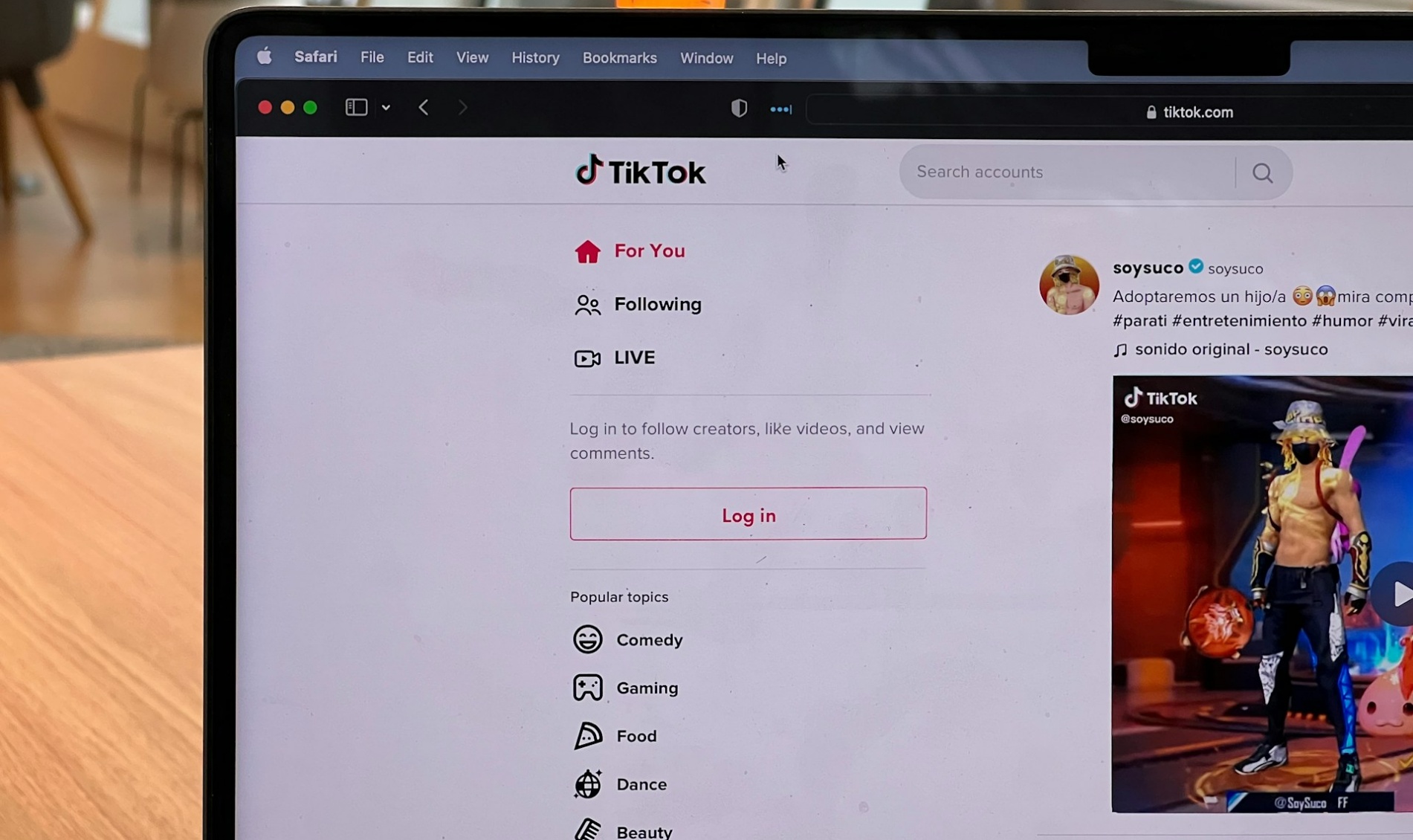
Social-first AI is artificial intelligence designed around social media data and social media workflows. Instead of drawing on general web crawls with a training cutoff, it works from live signals across social platforms, so the insights and content it produces reflect what people are talking about now.
The distinction matters because social moves differently from almost every other marketing channel. A trend can form and fade inside 48 hours. Tone shifts by platform, by audience, and sometimes by week. General-purpose AI for social media tends to flatten all of that into something safe, generic, and slightly out of date.
Put simply, social-first AI treats social as the primary data source and the primary workflow, not an afterthought bolted onto a general marketing tool.
Download your free guide to social AI — 101 genius prompts to unlock real-time social insights with OwlyGPT.
The clearest way to see the difference is side by side. Both approaches use large language models, but what they’re grounded in, and what they’re optimized for, diverges sharply.
The core difference comes down to grounding. General-purpose social media AI tools are strong at language and weak at timing. Social-first AI is built so that timing, tone, and platform context are part of the answer, not something your team has to add afterward.
General-purpose AI fails social teams because it wasn’t designed for the pace or style of modern social. The problem isn’t that AI lacks potential, or that its underlying algorithms are flawed.
Source link