AI delivers the greatest business impact when it’s implemented strategically to eliminate repetitive administrative work, reduce burnout and free employees to focus on high-value, relationship-driven tasks.
When I opened my first physical therapy practice, I believed growth depended on seeing more patients. That mindset worked for a while, until I realized my team and I were spending hours every day on paperwork, scheduling and insurance tasks instead of patient care. Administrative work had quietly become the biggest obstacle to growth.
Years later, after building therapy, staffing and hospice companies, I see artificial intelligence the same way I see any business tool: Its value comes from solving a real operational problem. AI should give your people more time to serve customers and build relationships. Everything else is secondary. That philosophy has shaped how we use technology across our businesses.
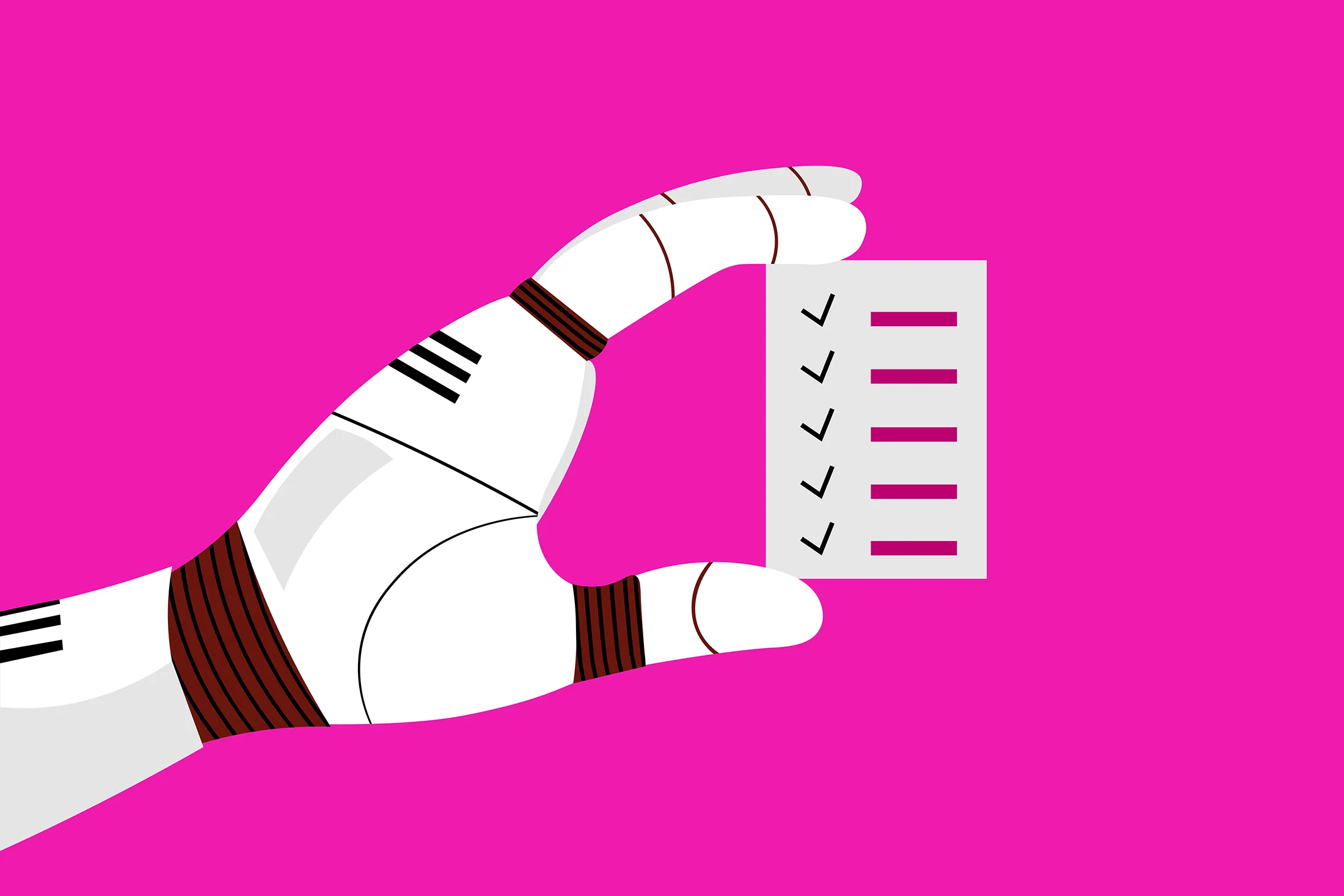
Spend a week identifying every repetitive task that eats up valuable time. Look for work that follows the same steps every day and requires little judgment. Those processes usually deliver the fastest return when automated.
In health care, charting, appointment scheduling and insurance verification quickly rose to the top of our list. Every industry has its own version of these tasks. Find them before you buy any technology.
Resist the urge to automate everything at once. Doing so can overwhelm you and your team, and it makes it hard to tell which changes worked and which flopped.
Start with the one to three administrative processes that consume the most hours each week.
Source link