This article has been reviewed according to Science X's editorial process and policies. Editors have highlighted the following attributes while ensuring the content's credibility:
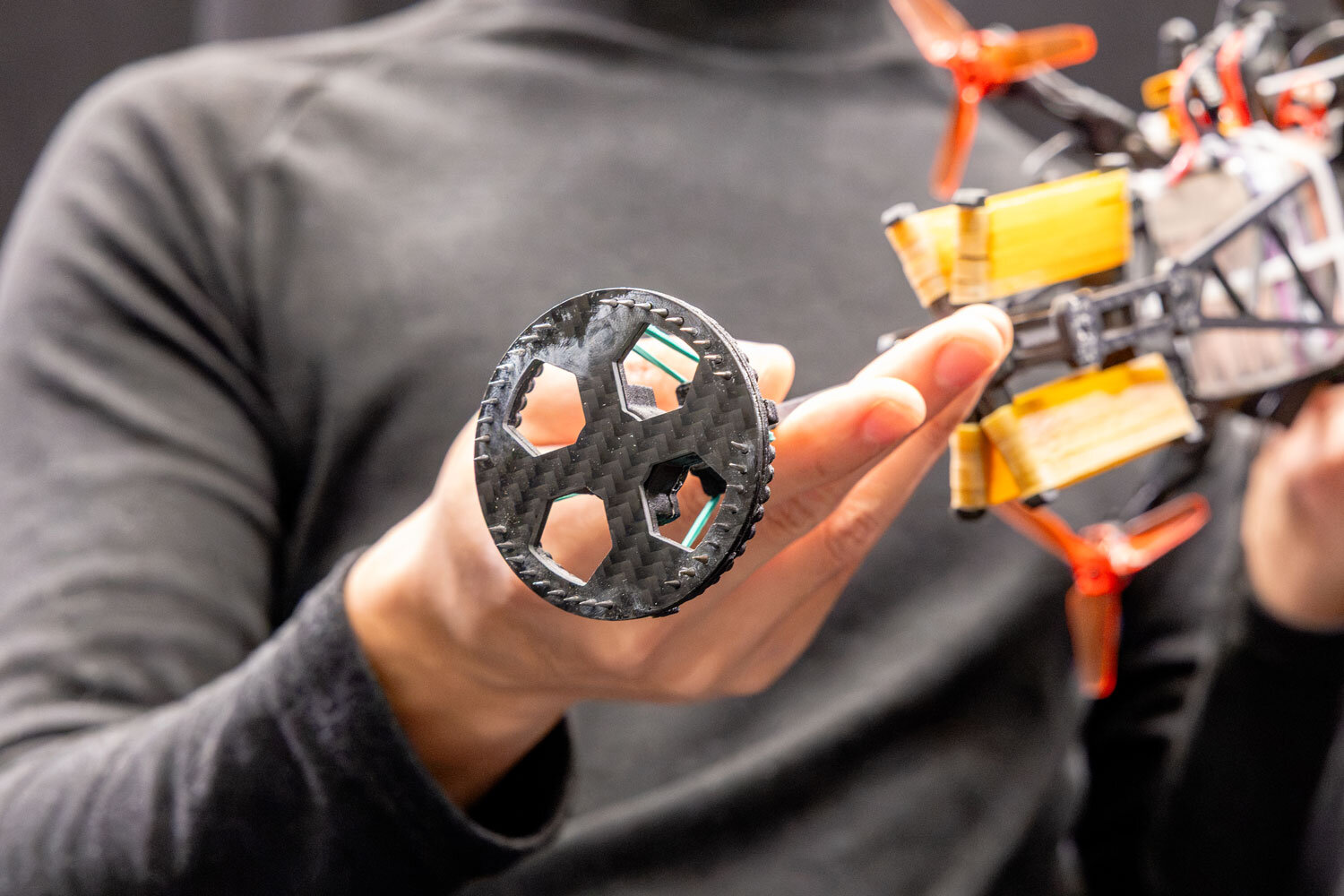
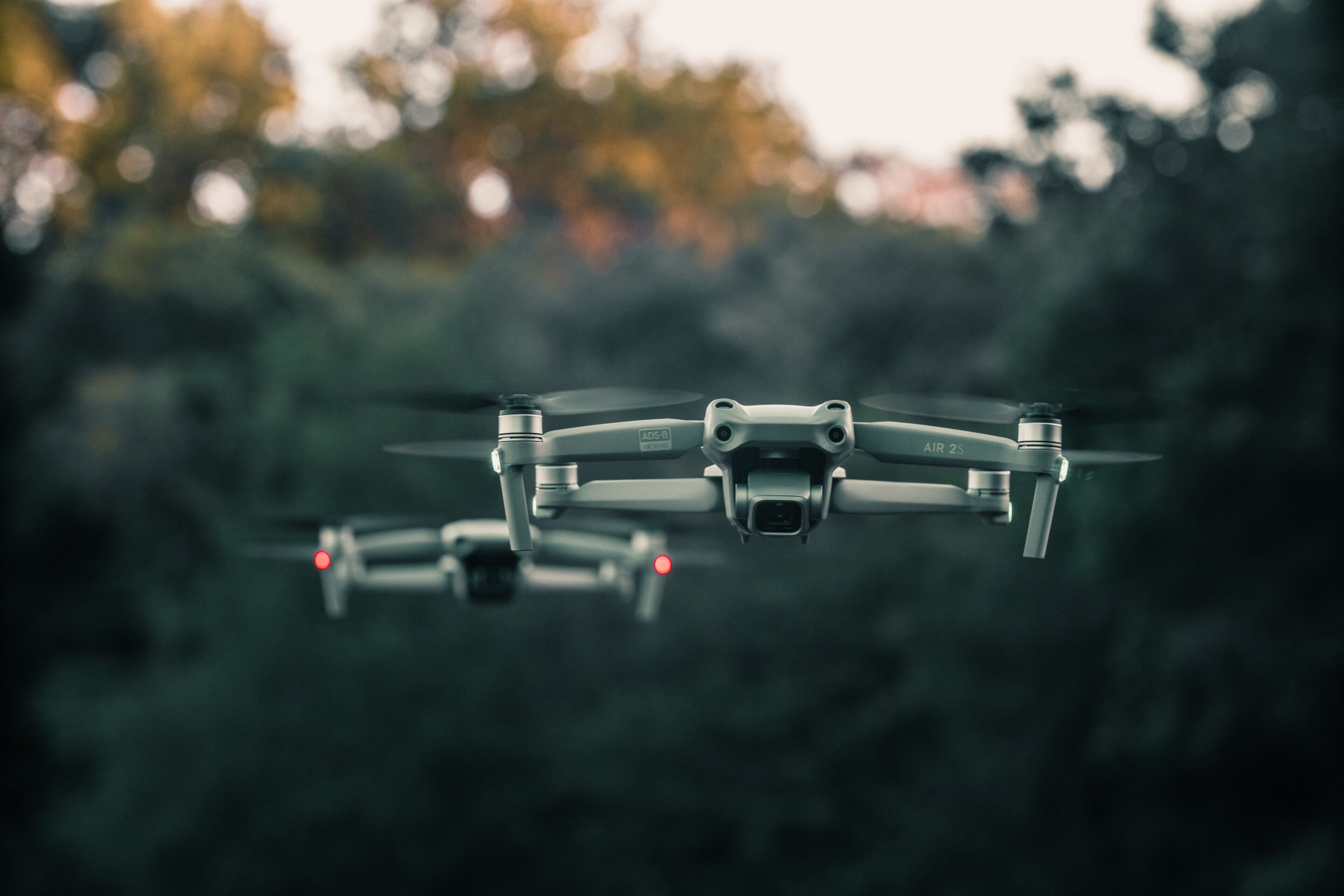
A new method for controlling groups of drones, technically known as unmanned aerial vehicles (UAVs), could make formation flying smoother and reduce energy consumption and mechanical wear, according to research in the International Journal of Systems, Control and Communications. The work combines fuzzy logic processing with a self-adjusting control system, known as a self-coupling proportional-integral-derivative (PID) controller.
The approach addresses a challenge in coordinating UAVs and maintaining stable formations despite disturbances and interactions between aircraft. The researchers developed a model in which each drone in the formation is interacting with the others through virtual springs and dampers. These are mathematical elements that represent the forces that bring each UAV to its intended position and allow the model to plot the formation and monitor how it deforms under different disturbances before recovering autonomously.
The controller combines fuzzy logic with PID regulation in which responses change according to current errors, accumulated past errors and the rate at which errors change. The fuzzy logic component uses rules to adapt control parameters, enabling stronger corrections when deviations are large and subtler adjustments as the formation stabilizes.
Tests showed that the method made the drones' flight adjustments smoother, with fewer abrupt changes in commands. Smoother commands could limit actuator wear and tear and lower energy use in applications such as reconnaissance and surveillance.
Yijin Cheng, Distributed collaborative control of unmanned aerial vehicle formation based on fuzzy autocoupling PID algorithm, International Journal of Systems, Control and Communications (2026).
Source link