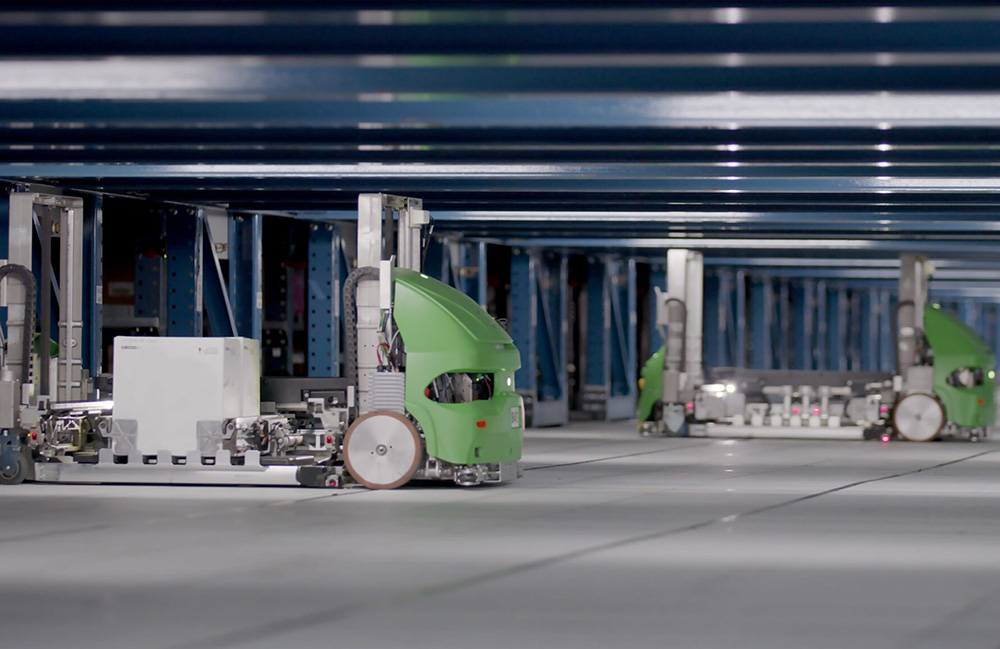
Symbotic’s recent quarterly filing lists its largest customer, together with affiliates, as “Customer A,” and the annual report names that customer as Walmart. Customer A supplied 90.5% of revenue in the quarter that ended June 27, 2026. Symbotic reported $720.8 million in revenue and $55 million in net income for the same quarter.
Few robotics companies have turned one demanding customer into a business this size, and this profit follows earlier profits. The quarter also included $19.4 million of investment gains and negative non-GAAP free cash flow, so one quarter’s profit can’t settle whether leaning so heavily on Walmart has paid off.
For a startup founder deciding whether to sign a second customer soon, Walmart’s 90.5% share says little about the cost of serving another account. I’d look at how many people that account pulls into the field and what the contract obliges each side to do when plans change. I’d also ask how easily the anchor could get the same work done another way.
Symbotic can’t afford to lose Walmart, and that dependence already gives the retailer some protection. Walmart’s contracts show that it didn’t rely on that incentive alone. The 2022 master automation agreement gives Walmart continuity rights, including the right to embed engineers with Symbotic and technical material held in escrow, which Walmart can use under specified conditions. The 2025 agreement for Walmart’s store-level Accelerated Pickup and Delivery (APD) systems repeats those protections. During the APD build-out, it also caps, at a redacted number, how many comparable APD systems Symbotic can sell to each outside customer every year.
Source link