This article has been reviewed according to Science X's editorial process and policies. Editors have highlighted the following attributes while ensuring the content's credibility:
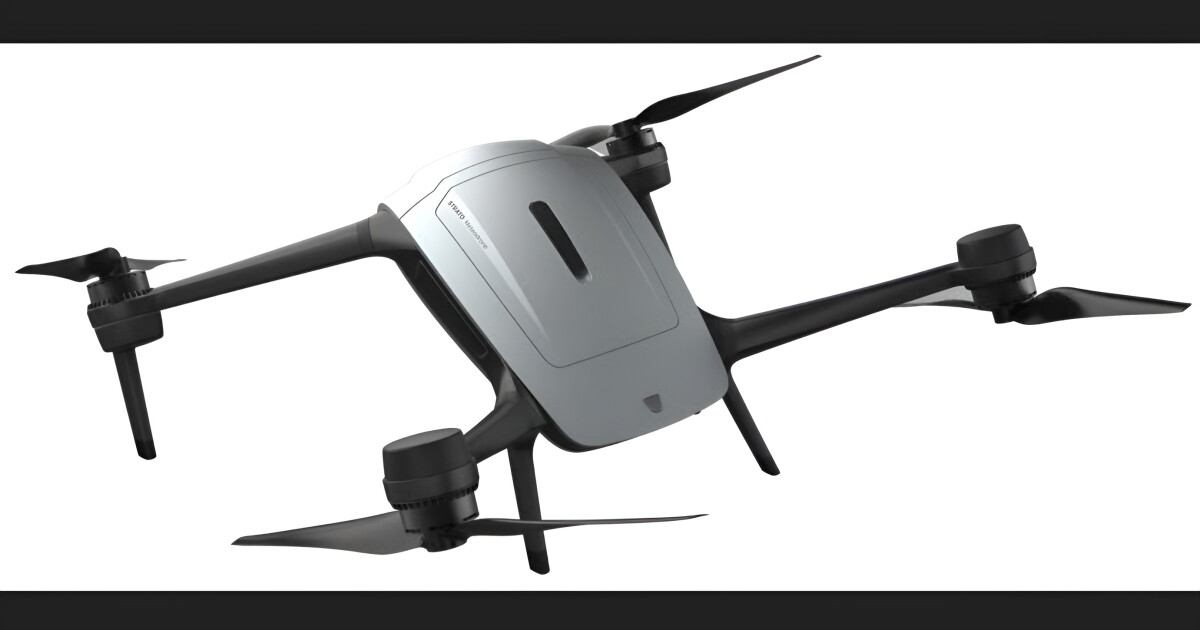
Uncrewed aerial vehicles (UAVs) could fly deep into the heart of a raging wildfire, avoiding sudden flare-ups and dodging falling tree branches to gather critical information for rescuers. But in this dangerous situation, the UAV could easily be damaged or destroyed by falling debris.
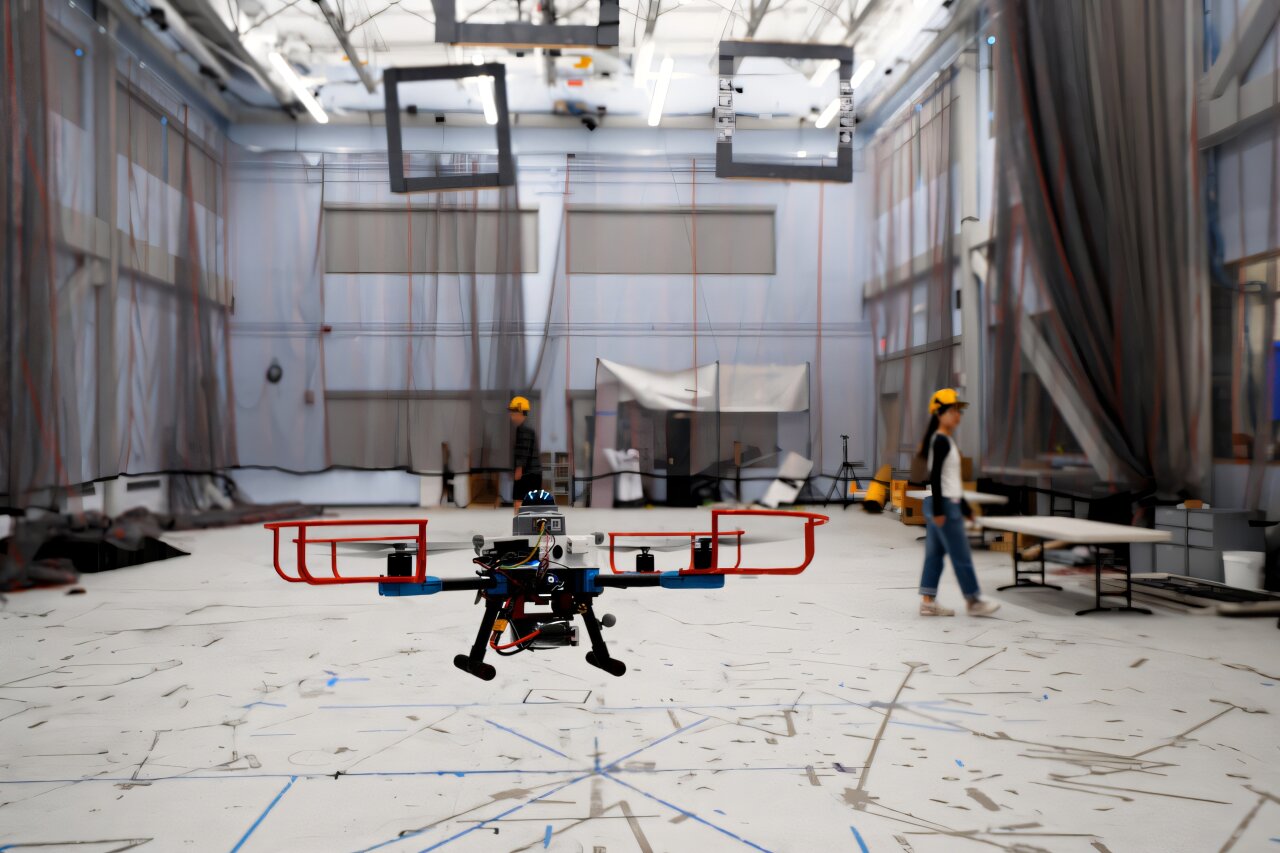
The UAV—and the rescuers who rely on it—would benefit from a new autonomous navigation system that is guaranteed to avoid collisions, even in completely unfamiliar surroundings.
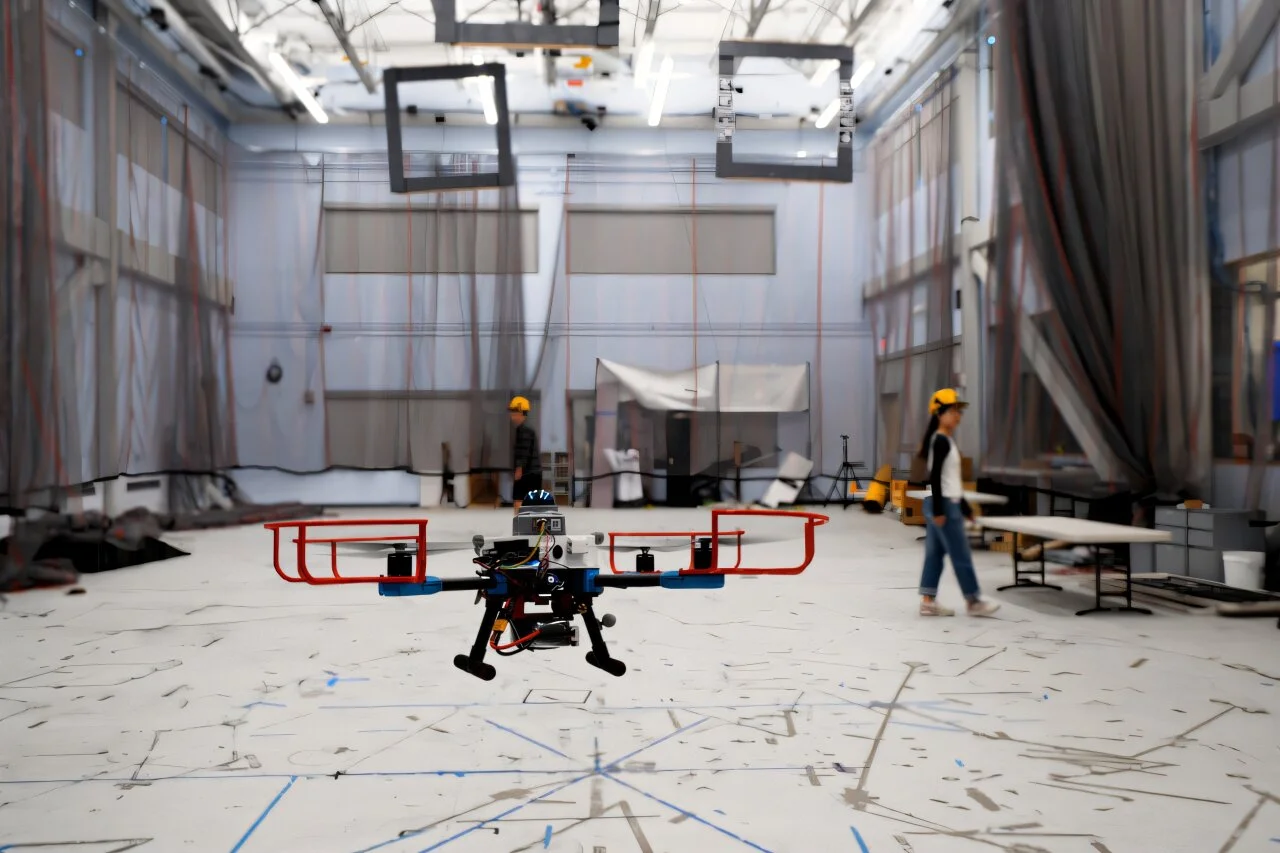
Developed by MIT researchers, this method plans a flight path for a UAV that eludes unknown obstacles that may move in unpredictable ways. It charts an efficient course through an unmapped environment that is mathematically proven to be safe from collisions. The research appears in IEEE Transactions on Robotics.
Many popular navigation systems can only offer formal safety guarantees when the environment is static or when the obstacles are known in advance.
By enabling the UAV to avoid moving obstacles while it is discovering its environment, this trajectory planner, which the researchers call "SANDO" (for "Safe AutoNomous trajectory planning for Dynamic unknOwn environments"), could be especially useful for applications like search-and-rescue missions into collapsed buildings, mine explorations through networks of hidden tunnels or package delivery across a crowded neighborhood.
"In the hardest possible environment, where the UAV has no map of the area and there are unknown obstacles moving around, we established a mathematical guarantee of safety.
Source link