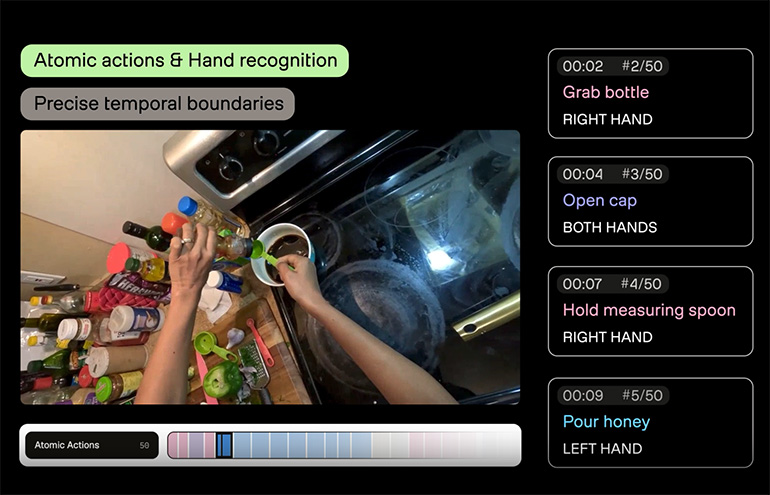
Pegasus provides temporal context, spatial reasoning, and judgement on whether a task was completed. Source: TwelveLabs
As the physical world rapidly digitalizes, AI teams are gathering vast amounts of complex video, but transforming raw footage into actionable models remains a critical challenge, according to TwelveLabs Inc. The company today released its Pegasus 1.6 model with added capabilities for understanding and navigating complex real-world environments.
“Our mission has always been to help machines understand how the world works through video,” stated Jae Lee, co-founder and CEO of TwelveLabs. “Physical AI is the next expression of that mission. Most of what people know about doing physical work, such as a changing grip or a recovery after something slips, has never been captured in a form a machine can learn from.”
“With our newest model release, we can now turn that footage into structured, reviewable knowledge, so robotics and physical AI teams can train on real human experience instead of starting from scratch,” he added.
Founded in 2021, TwelveLabs said it has created a “full-stack video intelligence platform” using its Marengo and Pegasus models, which it designed to see and understand video the way humans do in a fraction of the time. Developers can use this single system that gets smarter over time to access and act on all of their video content, said the Seoul-based company.
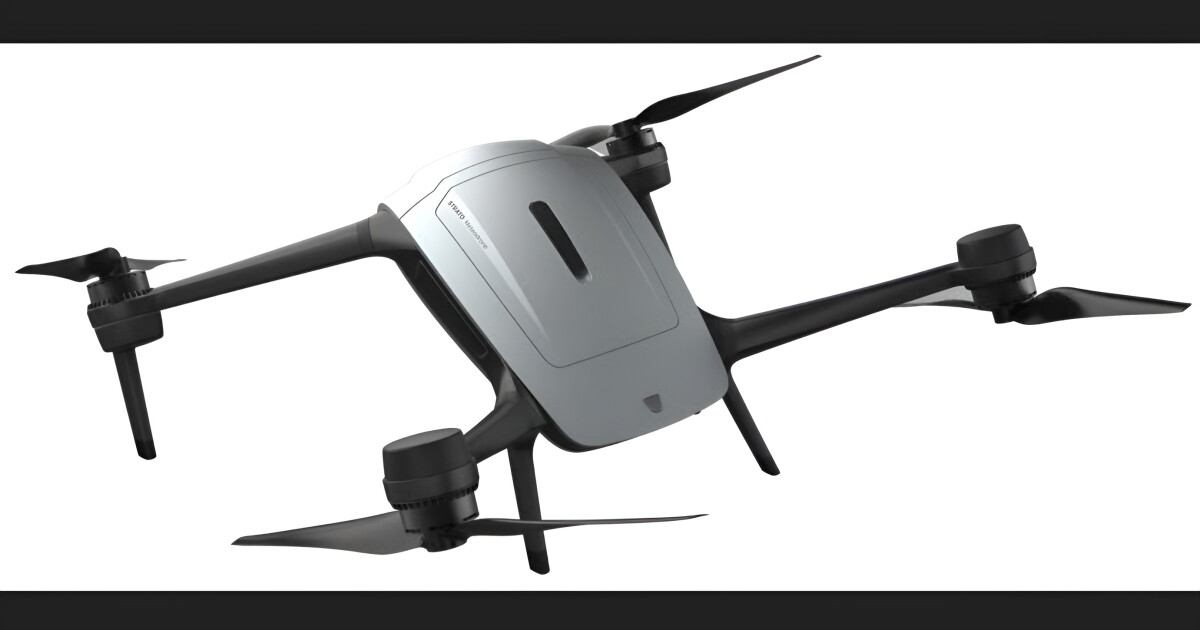
TwelveLabs said its latest version of Pegasus marks its expansion into physical AI , generating rich insights from real-world perspectives. It solves workflow-specific challenges so that machines such as robots, drones, and autonomous vehicles can perceive, reason, and safely act in the physical world like never before, the company claimed.
Source link