This article has been reviewed according to Science X's editorial process and policies. Editors have highlighted the following attributes while ensuring the content's credibility:
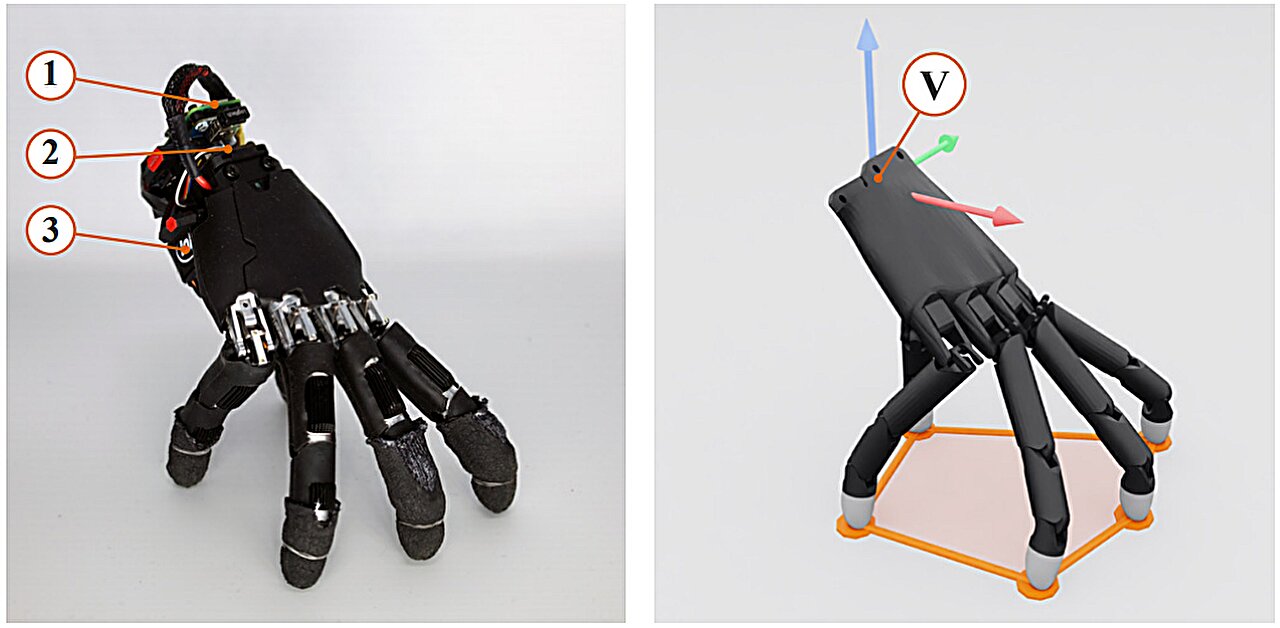
For many of us, the last—and only—time we've seen a walking hand was Thing in "The Addams Family" movies or TV series. Now there's another. Engineers from the Soft Robotics Lab at ETH Zurich have adapted an off-the-shelf detached robotic hand so it can crawl across different surfaces, balance and interact with its environment.
But this is no sci-fi gimmick. Fully mobile robotic hands could be useful in hard-to-reach spaces. "A robotic hand with its own mobility could operate in confined workspaces without requiring the arm that normally carries it to follow," says the research team.
Until now, robotic hands trying to walk on their own ran into a major design catch. Previous projects made hands walk by giving them symmetrical fingers. That made crawling easier, but it meant moving away from the unequal fingers and opposed thumb of a conventional human-like robotic hand.
Those differences in finger shape and size help standard robotic hands handle everyday objects. But their uneven lengths make walking without tipping over more difficult because each fingertip has a different reach.
A team led by Ali Kazemi overcame these limitations by teaching an off-the-shelf, human-like hand with unequal fingers to balance, crawl and work independently. The team describes how it did so in a paper posted to the arXiv preprint server.
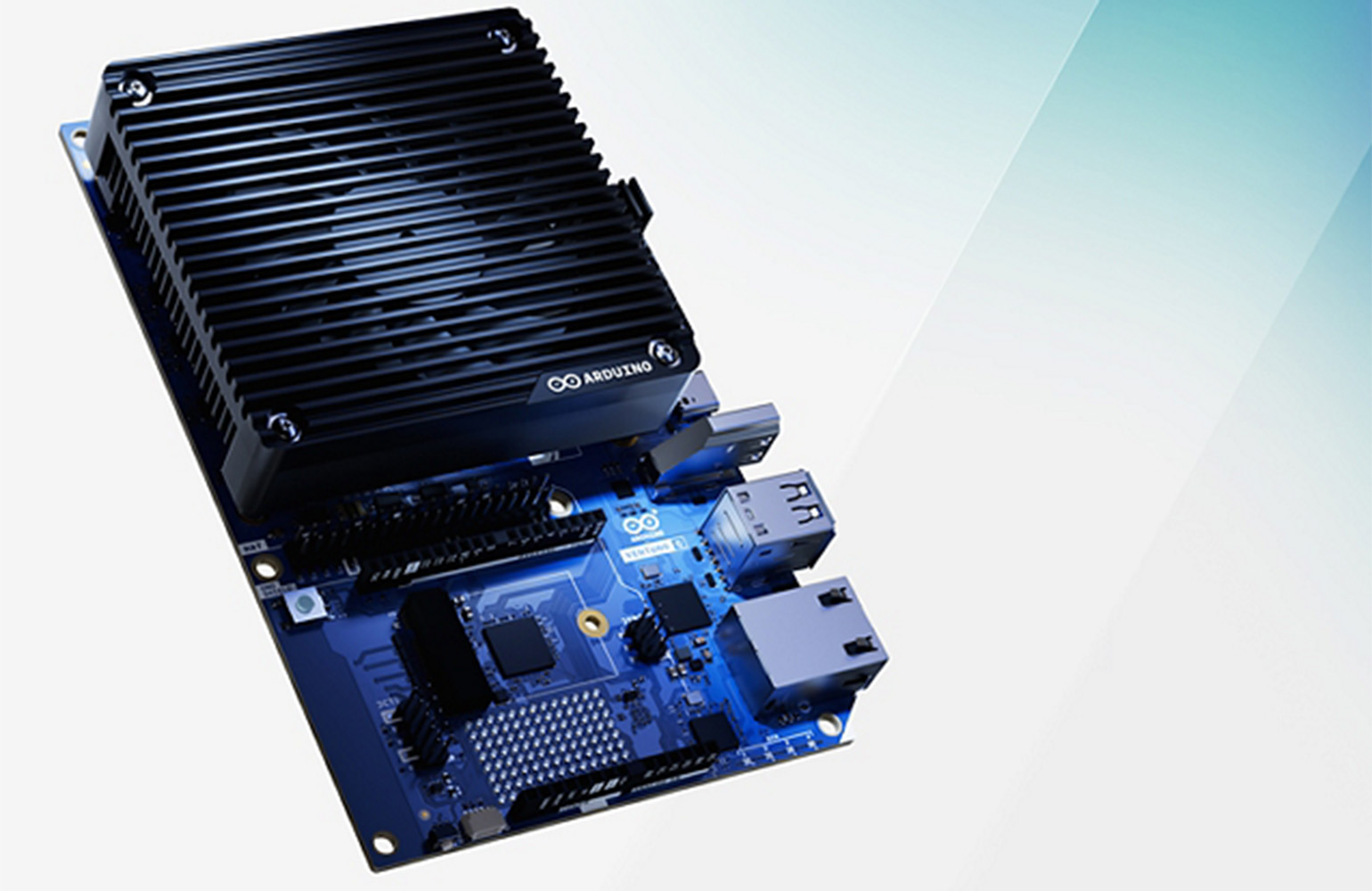
The team mounted a battery, motion sensors and a miniature computer on the back of the robotic hand and taught it to move and balance using reinforcement learning in a computer simulator.
Source link