This article has been reviewed according to Science X's editorial process and policies. Editors have highlighted the following attributes while ensuring the content's credibility:
How many times have you asked someone to hold open a door while carrying something, or fumbled with your front-door keys with your arms full of groceries? Wouldn't it be great if you could give yourself the extra hand you need?
This is one of the goals of human movement augmentation, a new and growing area of research that aims to extend human capabilities beyond their natural limits. Within this field, researchers are developing and studying artificial limbs that can be added to the human body. These are known as supernumerary robotic limbs, or SRLs.
Current SRLs are largely experimental, but in the future wearable robotic limbs could help in a range of areas. They could have an impact in manufacturing, health care, space, music, arts, gaming and rehabilitation.
Unlike prostheses, SRLs increase the overall capacity of the human body rather than restoring the capacity of a missing limb. If you're familiar with the Marvel universe, think of Doctor Octopus—his mechanical arms are fictional examples of this type of technology.
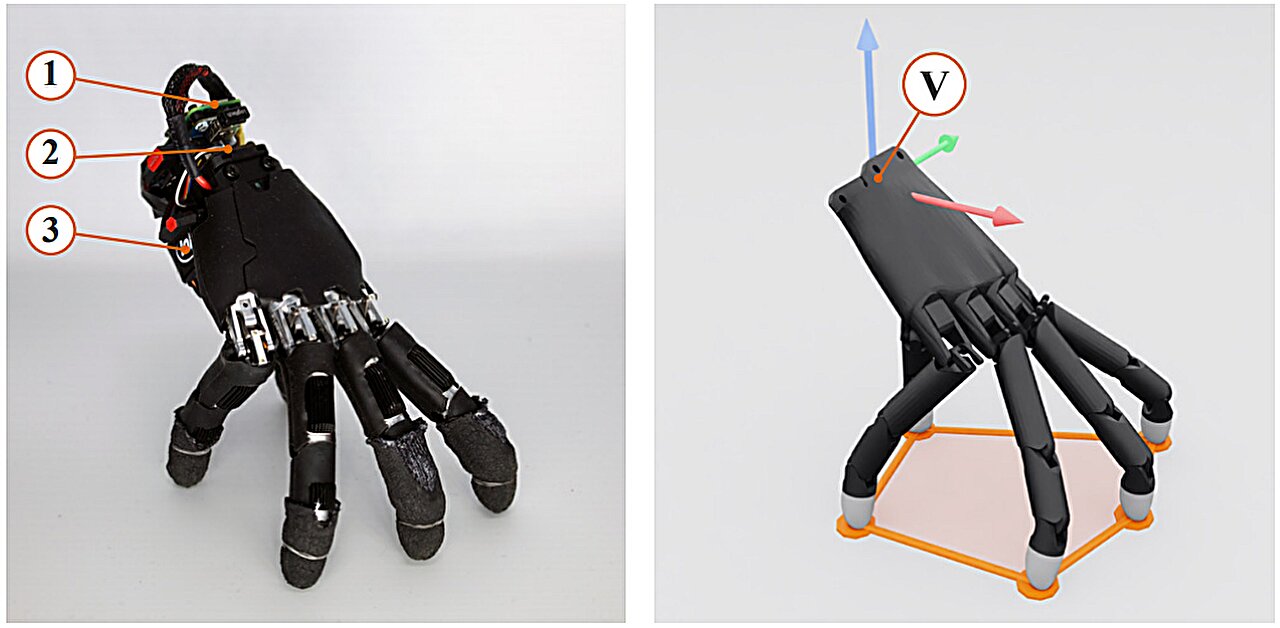
In the real world, scientists have created extra arms a little like Doc Ock's (but benign), as well as additional legs and fingers.
These extra limbs don't look or behave like actual human arms or legs. They're combinations of rigid materials, motors and actuators—mechanical devices that produce force. They can be worn like a backpack or watch .
Source link