Altera and Intel are collaborating to accelerate the development of intelligent systems across industries.
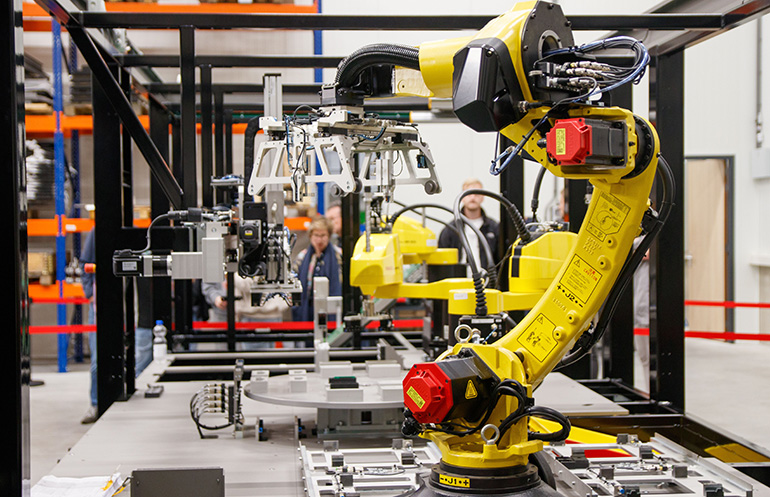
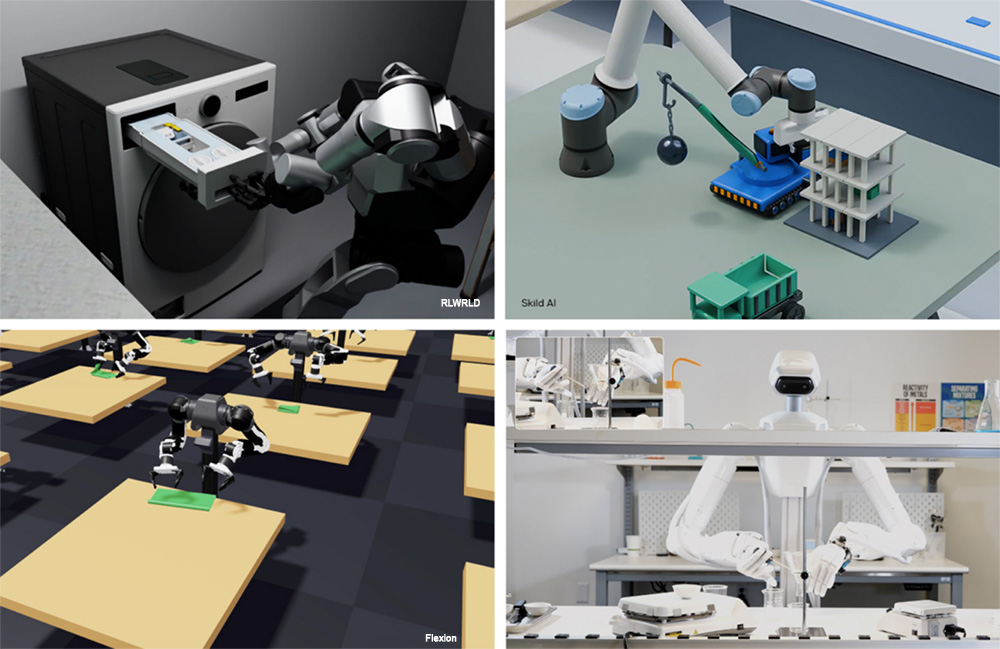
Intel Corp. and Altera Corp. today said they are jointly developing flexible, real-time, sensor-bridge reference systems for edge and physical AI applications including robotics. By combining Intel compute, connectivity, and software with Altera field-programmable gate arrays or FPGAs, the companies said they aim to help manufacturers address the growing complexity of connecting, processing, and acting on real-world data across increasingly sensor-rich environments.
“Physical AI systems have to sense, decide, and act in real time, and the physical world demands accuracy, reliability, and safety,” stated Farhad Shafai, head of business solutions and marketing at Altera. “Altera FPGAs provide the sensor connectivity, data processing, and deterministic control that machines need to respond to the physical world, and they stay programmable as sensors and AI models evolve. Combining that with Intel’s compute and software is intended to give OEMs a flexible foundation to tailor systems to their needs.’
Founded in 1983, Altera provides high-performance, programmable compute and connectivity systems for a wide range of advanced and AI-enabled technologies. The San Jose, Calif.-based company claimed that it
is “the largest pure-play FPGA provider with a full-spectrum portfolio serving applications ranging from data centers and communications networks to critical embedded systems.”
Intel acquired Altera for $16.7 billion in 2015 and sold 51% of the company to Silver Lake last year.
“Edge and physical AI systems can require data from different sensors and interfaces to be brought together while meeting requirements for timing, performance, power and cost,” said Intel and Altera.
Source link