This article has been reviewed according to Science X's editorial process and policies. Editors have highlighted the following attributes while ensuring the content's credibility:
In recent months, artificial intelligence agents that can reason, plan and use external tools to accomplish multistep tasks have already reshaped computer coding, online shopping, dinner reservations and cyberattacks.
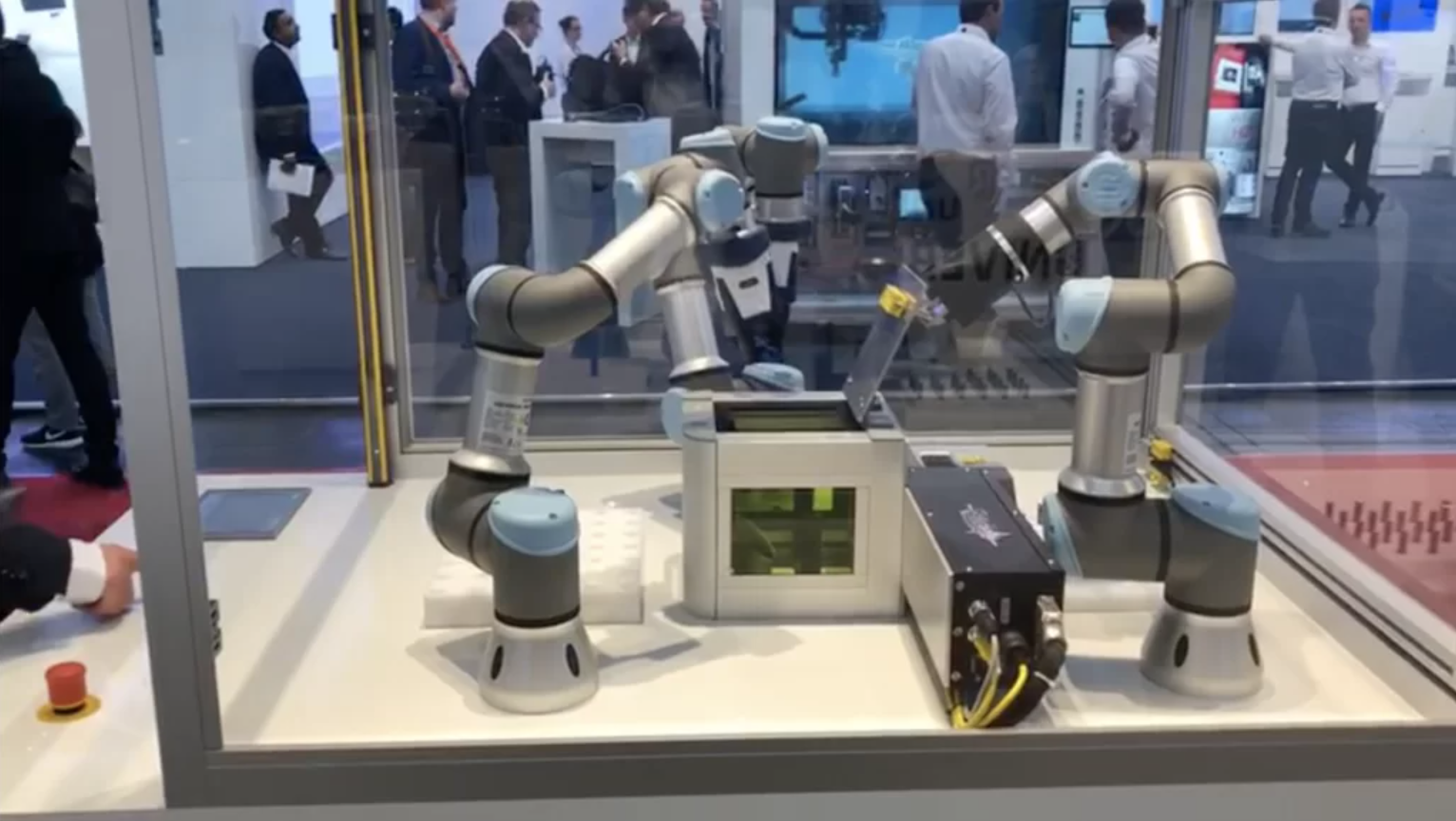
Ken Goldberg, a UC Berkeley roboticist and professor of engineering, said new models make it possible for teams of AI agents to develop robot-control programs, test them in simulated environments and revise the code when something doesn't work.
Goldberg, Spencer Huang, director of robotics engineering at NVIDIA, and a team of researchers call the new approach "agentic robotics." They said it could offer a way around two obstacles in the field: the enormous amounts of data needed to train robots and the intense engineering efforts required to program them, both of which can demand vast amounts of physical and technical resources to accomplish.
"Agentic robotics is a fundamental shift in how robots are controlled," Goldberg said. "Instead of collecting massive amounts of data and hand-tuning every behavior, teams of agents can quickly generate, test and refine robot programs that allow human engineers to interpret how the programs work for fine-tuning and verification."
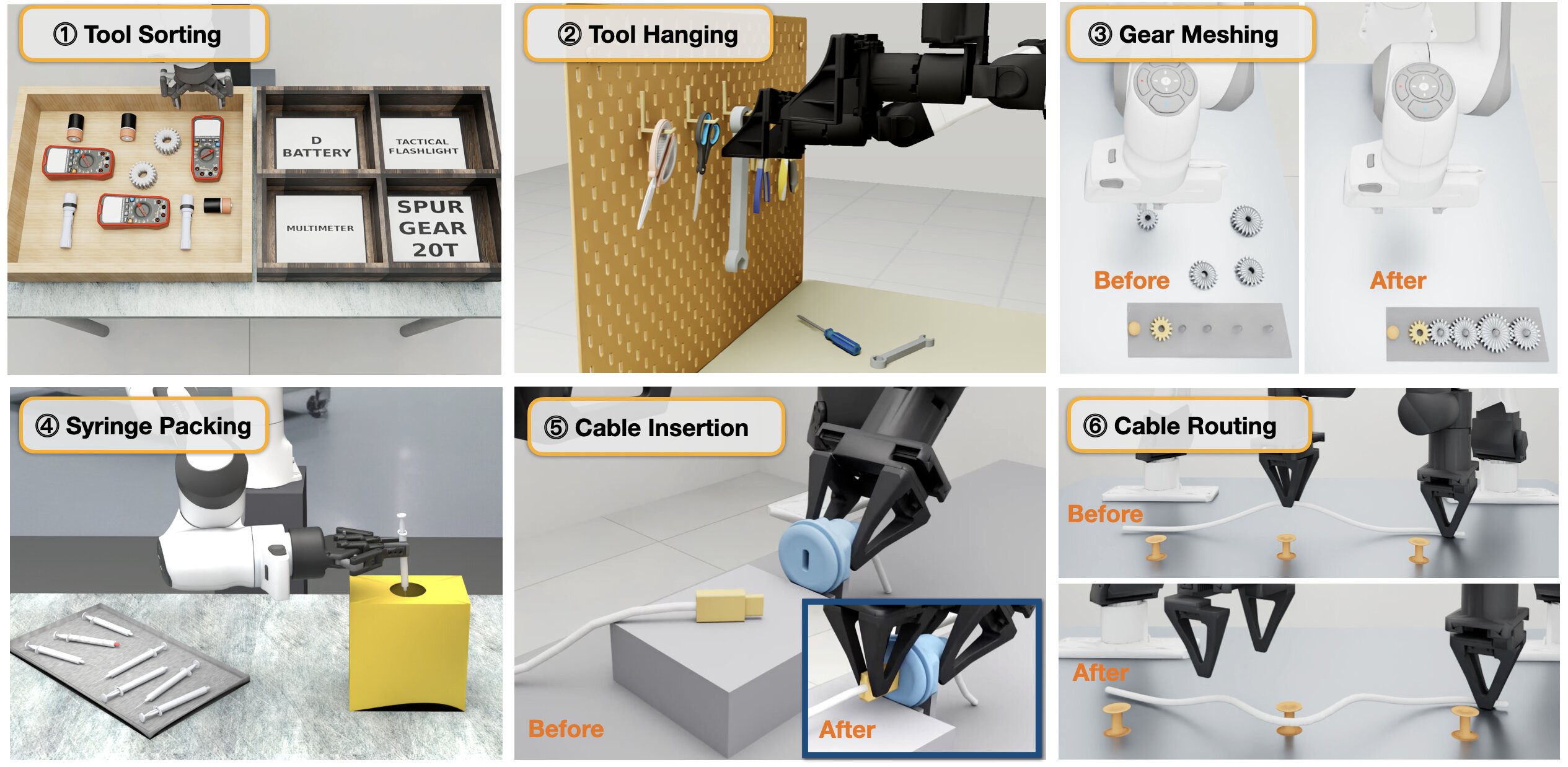
Goldberg, who was recently inducted into the National Academy of Engineering, is presenting the new approach and results from months of testing at the Conference on Robot Learning . He and his team are also releasing open-source code for other roboticists to experiment with, built on NVIDIA's Isaac open simulation framework for developers, as well as an industry-standard benchmark for evaluating the performance of robots across industrial tasks.
Source link