
This article has been reviewed according to Science X's editorial process and policies. Editors have highlighted the following attributes while ensuring the content's credibility:
How your body processes food is significantly influenced by daily rhythms tied to 24-hour light-dark cycles. In new research published in the journal Cell Host & Microbe, my colleagues and I found that the microbes living in your gut are the hidden timekeepers behind this system.
Gut microbes convert dietary signals into molecules that intestinal cells use to synchronize nutrient absorption with feeding times. In mice, this microbe-controlled timing mechanism maximizes the nutrients their bodies take in and supports growth, especially when food is scarce.
When mice consumed an excess of calories, however, that same system fueled obesity.
Because of Earth's rotation, all animals—including humans—experience rhythmic shifts of day and night. Your eyes and brain use light signals to coordinate your body's activities with environmental changes and nutrient availability. Disruption of this temporal alignment, such as through jet lag and night-shift work, is associated with a range of health disorders.
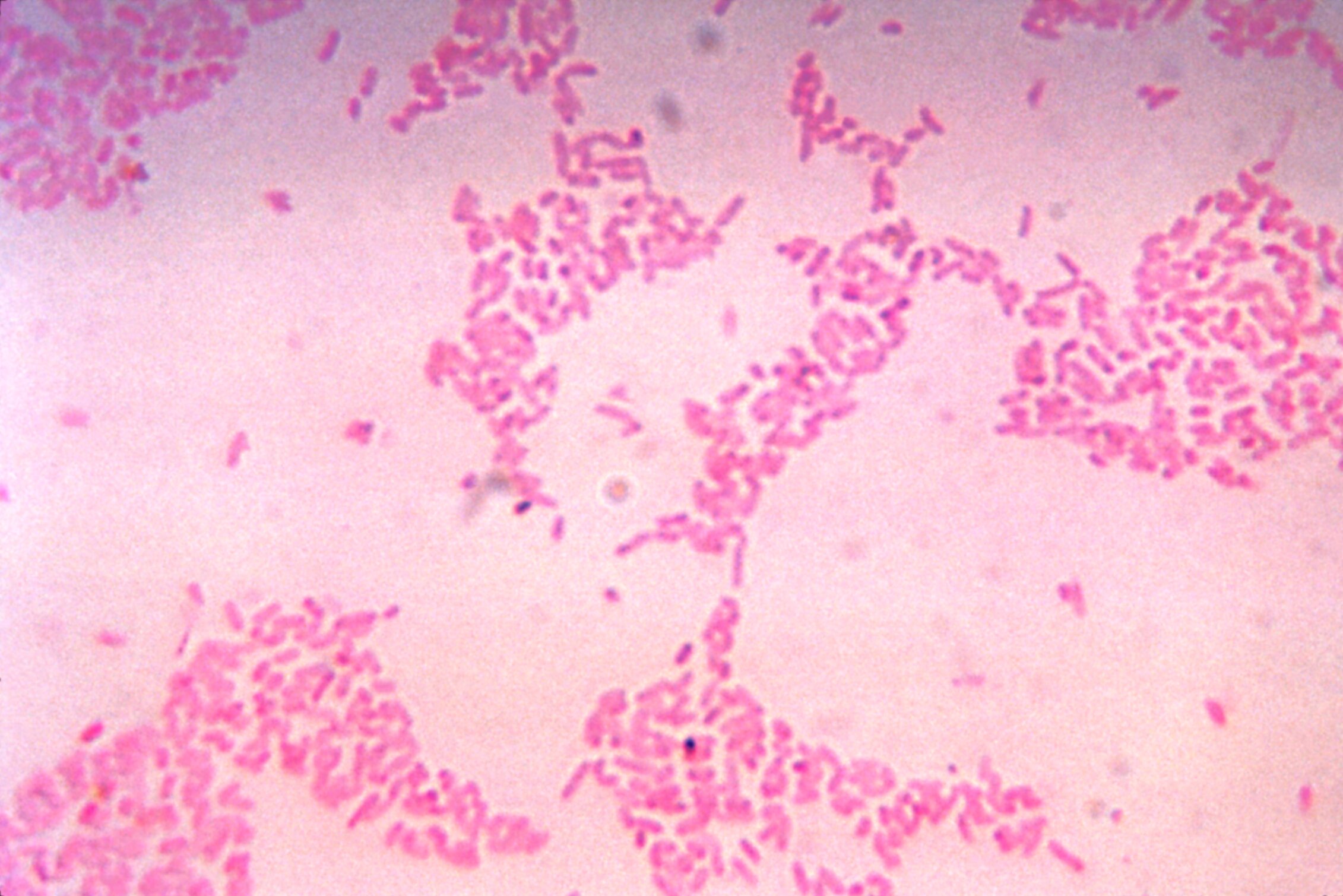
However, light is not the only timekeeper. Your intestines are home to trillions of microbes, called the gut microbiome. They play a key role in shaping your physiology, such as metabolism, immunity and even brain activity.
Intriguingly, the microbiome also influences the daily biological rhythms of hosts . My colleagues and I had previously shown that depleting gut bacteria in mice weakens circadian rhythms in the small intestine and alters them in the colon .
Source link





