This article has been reviewed according to Science X's editorial process and policies. Editors have highlighted the following attributes while ensuring the content's credibility:
Weight-loss drugs known as GLP-1s may help protect against heart failure even at doses too low to produce significant weight loss, according to a laboratory study led by Cedars-Sinai Health Sciences University investigators.
"Our findings provide a strong mechanistic rationale for studying GLP-1 medicines as potential treatments for heart failure," said David Lefer, Ph.D., director of translational research in the Department of Cardiac Surgery in the Smidt Heart Institute at Cedars-Sinai.
The study, published in the European Heart Journal, investigated the drugs' effects on heart failure with preserved ejection fraction. The incurable disorder, in which the heart pumps out blood normally but is too stiff to fill properly, accounts for more than half of the roughly 6.7 million heart failure cases in the U.S. each year, according to the American College of Cardiology.
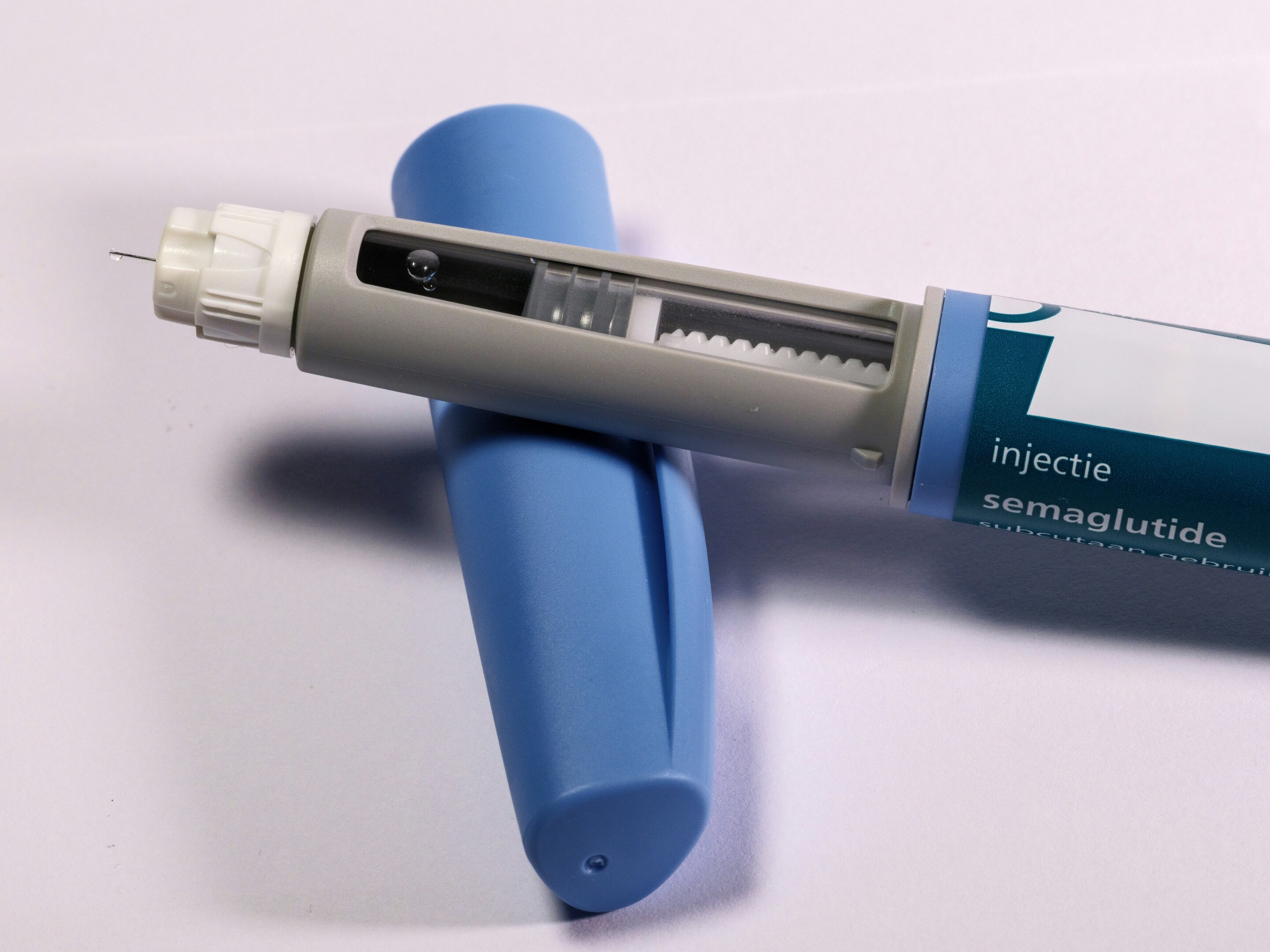
Investigators administered low doses of semaglutide, a GLP-1 drug, to laboratory rats and minipigs with a condition that mimics a subtype of heart failure with preserved ejection fraction that is associated with obesity. They found that while the drug didn't reduce overall body weight, it significantly reduced the heart's stiffness.
The drug also reduced heart enlargement and tissue scarring. The researchers were encouraged to observe that the drug also cleared damaging fat around the heart and liver.
, professor of cardiac surgery at the Smidt Heart Institute and co-senior author of the study.
Source link