This article has been reviewed according to Science X's editorial process and policies. Editors have highlighted the following attributes while ensuring the content's credibility:
As many as one in six adults face fertility difficulties worldwide, research has shown, and the challenge becomes harder as they age. Starting around age 35, the risk of eggs carrying an abnormal number of chromosomes rises steeply, contributing to declining fertility and increasing miscarriage rates. Understanding why these errors occur is essential for improving reproductive outcomes.
A new Yale study, published in the Journal of Cell Biology, offers insights that could improve outcomes for these individuals and families.
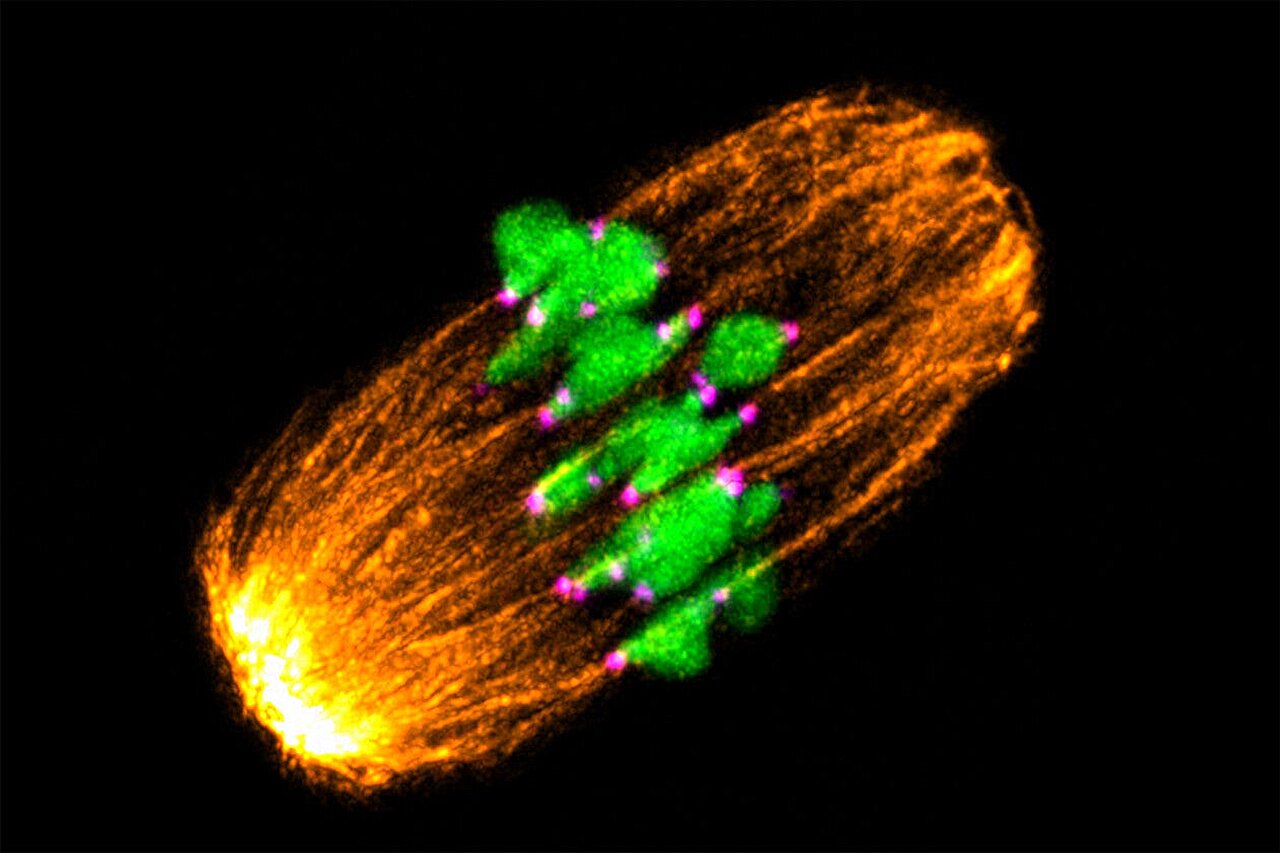
According to their findings, the structures that help eggs reduce chromosome numbers accurately before fertilization become weaker as people age. This is problematic because eggs must halve their chromosome number to ensure that fusion with a sperm restores the correct number needed for healthy embryo development.
The researchers also identified how three proteins cooperate to maintain these critical structures. Restoring one of these components to the structures that anchor chromosomes improved chromosome positioning in aged eggs, they found, revealing a contributor to declining egg quality and a potential direction for research into preserving reproductive health.
"By identifying a previously unknown contributor to chromosome errors, our findings open a direction for research into preserving egg quality and improving assisted reproduction, including in vitro fertilization," said Binyam Mogessie, an assistant professor of molecular, cellular and developmental biology in Yale's Faculty of Arts and Sciences, assistant professor of obstetrics, gynecology and reproductive sciences at Yale School of Medicine, and senior author of the study.
Source link