This article has been reviewed according to Science X's editorial process and policies. Editors have highlighted the following attributes while ensuring the content's credibility:
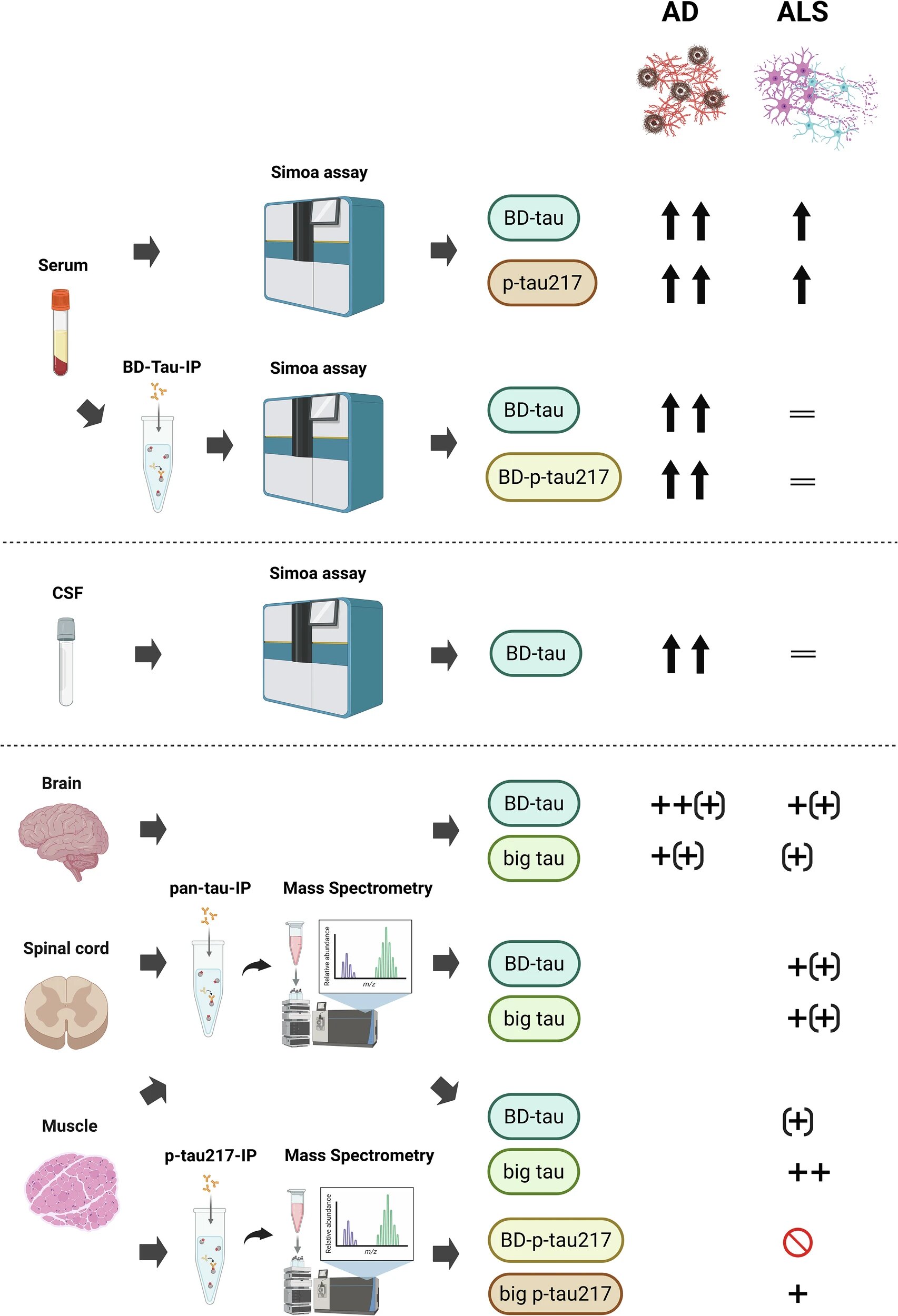
Researchers at University Medicine Halle have developed a new method that could improve the reliability of blood tests for Alzheimer's disease. Current commercial tests often rely on the protein biomarker p-tau217, whose levels can rise in the early stages of the disease. However, the biomarker levels can also be elevated in other conditions, potentially leading to false-positive results. In a study involving 315 participants, the research team demonstrated improved accuracy in distinguishing Alzheimer's disease from other conditions. Their findings have been published in Nature Communications.
Early and accurate diagnosis is crucial for patients who may benefit from recently approved antibody treatments for Alzheimer's disease, as these therapies must be initiated in the early stages of the disease. Blood tests are one promising diagnostic tool, offering considerable potential for identifying these patients. Many of these tests measure a phosphorylated form of the tau protein known as p-tau217. Blood levels of this biomarker can rise long before severe cognitive symptoms, such as short-term memory impairments, appear.
However, in 2025, neurologists at University Medicine Halle demonstrated that elevated levels of this biomarker alone are not a reliable indicator of Alzheimer's disease. They also found elevated levels in people with amyotrophic lateral sclerosis (ALS), a disease affecting the motor nervous system. Diseases affecting the brain, the nerves or the muscles may therefore contribute to increased biomarker levels in the blood.
Source link