This article has been reviewed according to Science X's editorial process and policies. Editors have highlighted the following attributes while ensuring the content's credibility:
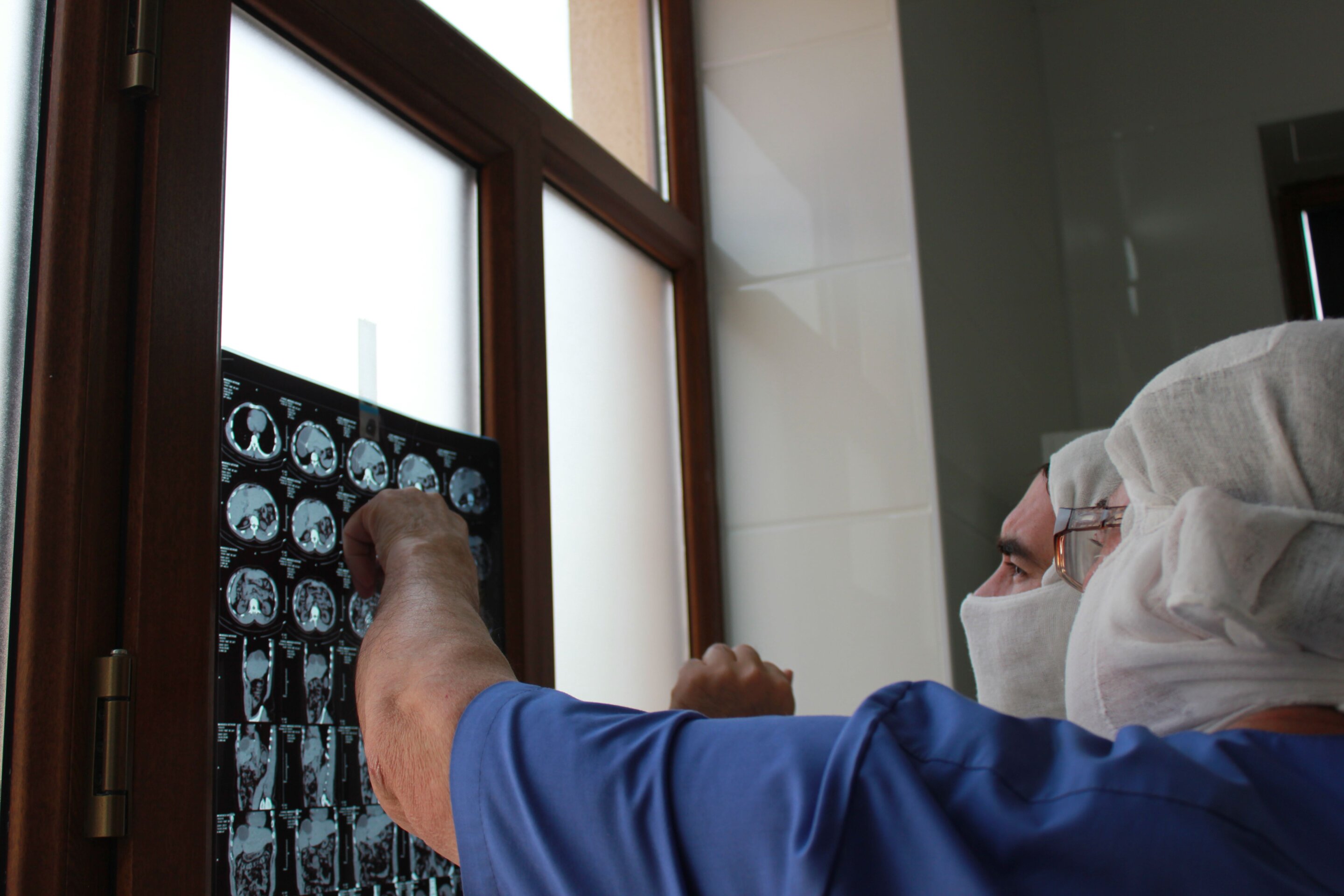
When a patient arrives in the emergency department with severe abdominal pain, every minute counts. Researchers at the University of Colorado Anschutz School of Medicine are investigating ways to streamline the work of radiologists and make it more efficient. They also aim to quickly identify patients who may need urgent surgery and speed up the path to treatment.
The scientists have uncovered a new way to leverage artificial intelligence (AI) to interpret right upper quadrant (RUQ) ultrasounds, which visualize organs in the right upper side of the abdomen such as the liver, the gallbladder, the right kidney and part of the pancreas.
In a recent study in Nature Communications, researchers created a vision-language AI agent, which blends visual ultrasound data with written clinical data from the lab, that can accurately read RUQ ultrasounds, diagnose common health conditions affecting these organs and suggest logical next steps.
Harrison Bai, M.D., M.S., a visiting associate professor in the Department of Radiology and senior author of the paper, emphasizes that this AI agent is designed to work alongside a trained radiologist, generating reports for the radiologist to read and evaluate. It's a tool that can help streamline radiologists' daily work.
"The goal is not to replace the physician. We're not trying to build an AI radiologist," Bai says.
Source link