This article has been reviewed according to Science X's editorial process and policies. Editors have highlighted the following attributes while ensuring the content's credibility:
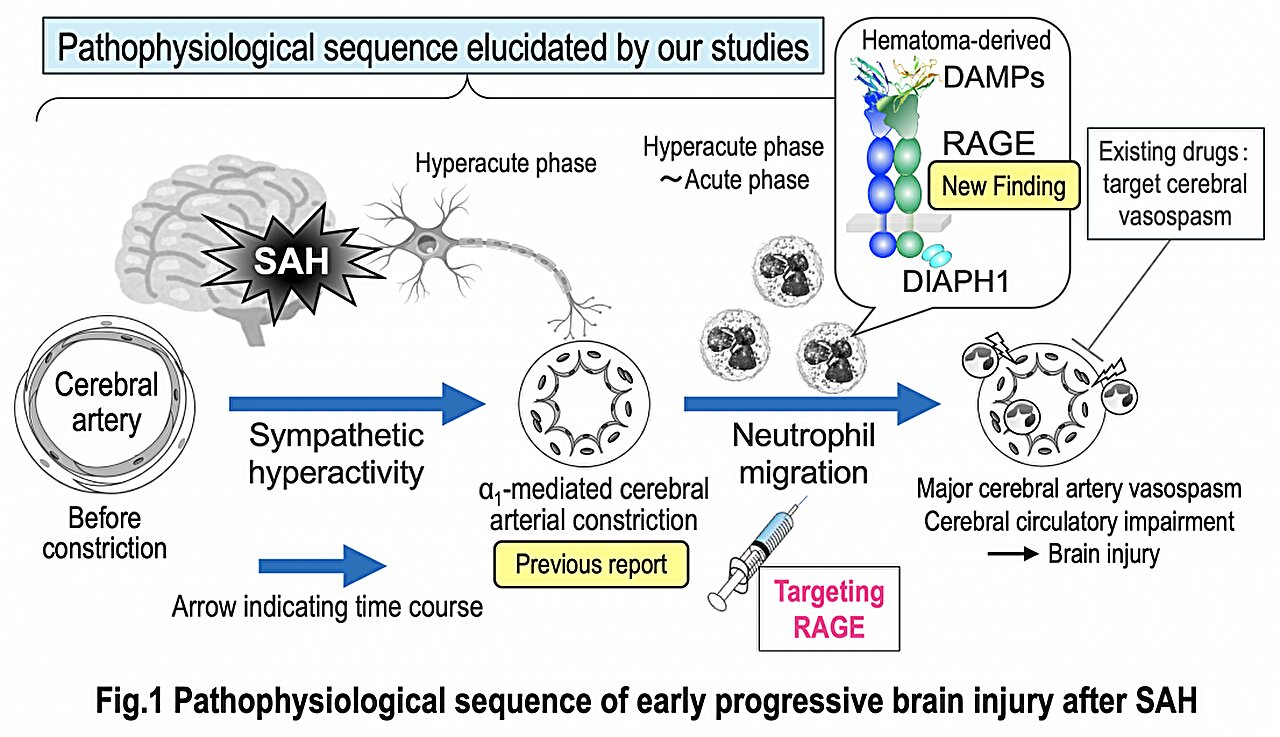
An international research team from Japan and the United States, led by Assistant Professor Hiroshi Ishii and Professor Osamu Hori, together with Professors Yasuhiko Yamamoto and Mitsutoshi Nakada of Kanazawa University, has identified neutrophil RAGE (receptor for advanced glycation end products) as a key driver of early cerebrovascular injury after subarachnoid hemorrhage (SAH).
The study, published in the Journal of Cerebral Blood Flow & Metabolism, shows that neutrophil RAGE promotes neutrophil accumulation around cerebral arteries, cerebral vasospasm, impaired cortical circulation and neurological dysfunction.
SAH is a severe form of stroke most often caused by rupture of a cerebral aneurysm. Even after the bleeding source is secured, reductions in cerebral blood flow, vasospasm, inflammation and brain edema can continue to worsen neurological outcome. The mechanisms linking these early events to later brain injury, however, remain incompletely understood.
In 2023, the group reported in Stroke that sympathetic hyperactivity immediately after SAH impairs cerebral circulation and worsens neurological outcome. The new study extends this work by identifying a subsequent inflammatory cerebrovascular phase driven by neutrophil RAGE.
In wild-type mice, SAH caused neurological deterioration, marked vasospasm of major cerebral arteries and a substantial loss of cortical vascular perfusion. In RAGE-knockout mice, neurological function and cortical perfusion were markedly improved, while vasospasm was reduced.
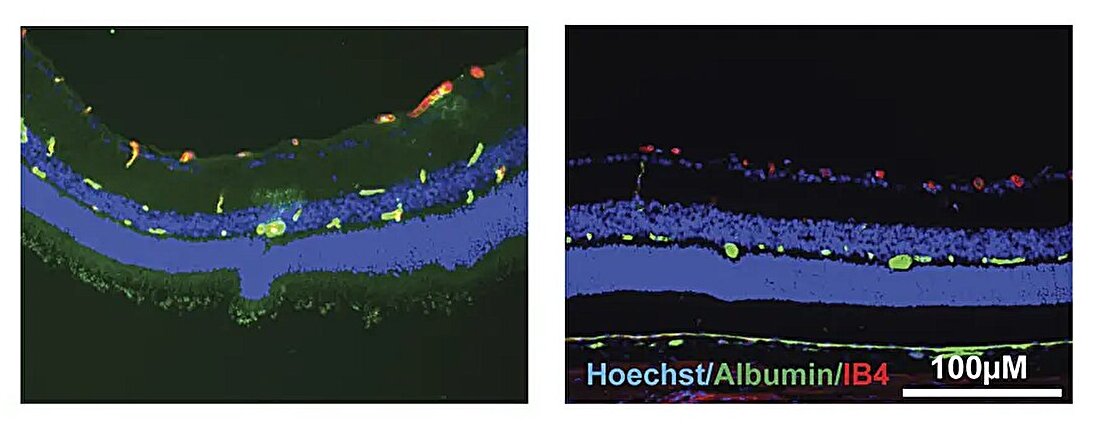
The researchers also found that MPO-positive neutrophils accumulated around cerebral arteries early after SAH, with a prominent increase by six hours.
Source link