This article has been reviewed according to Science X's editorial process and policies. Editors have highlighted the following attributes while ensuring the content's credibility:
Patients living in areas with more intense urban heat were less likely to have an optimal recovery after major surgery, according to new research on nearly 700,000 patients.
The research was presented at the American College of Surgeons (ACS) Clinical Congress 2026 in Washington, held Sept. 26–29.
Above an urban heat island intensity threshold of 2.19°C, or about 3.9°F, each additional 1°C (1.8°F) was associated with 8% higher odds of not achieving a "textbook outcome." In this study, a textbook outcome required no complications, no readmission, no prolonged hospital stay and survival for at least 30 days.
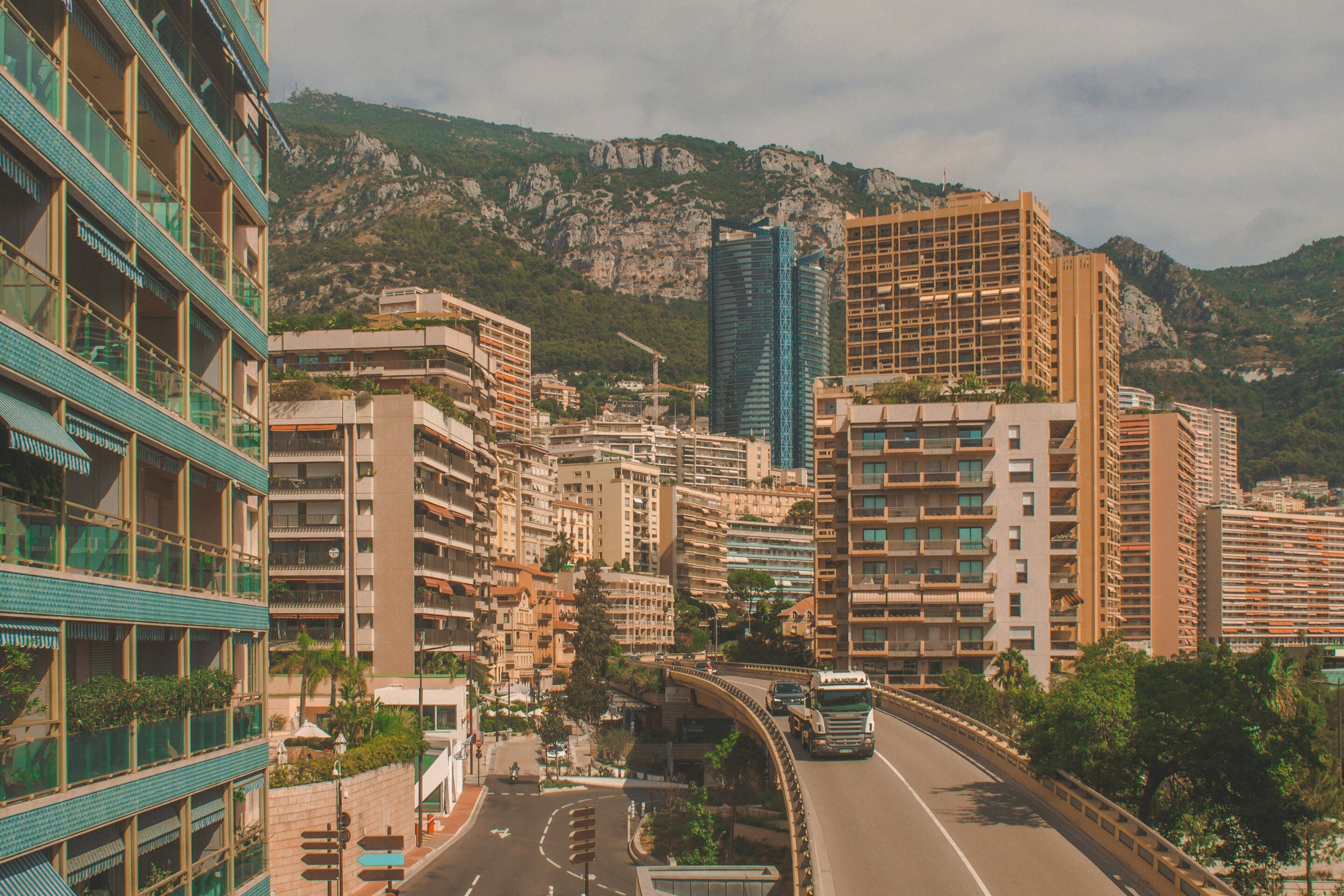
An urban heat island is a developed area that is warmer than its surroundings. Roads, buildings and other infrastructure absorb and re-emit more heat than natural landscapes, while limited trees and vegetation reduce shade and natural cooling. The temperature difference can vary substantially across neighborhoods within the same city.
"Heat isn't only uncomfortable; these data suggest it can have a real impact on surgical recovery," said Timothy M. Pawlik, MD, Ph.D., MPH, MTS, MBA, FSSO, FACS, senior author of the study and professor and chair of the Department of Surgery at The Ohio State University Wexner Medical Center in Columbus, Ohio.
"It's something health care providers need to be aware of. We need to screen for heat exposure and connect at-risk patients with resources."
The research team developed the Adaptive Spatiotemporal Environmental Thermal Health Exposure Resolution framework, a method for estimating heat exposure in the areas where patients live.
Source link