This article has been reviewed according to Science X's editorial process and policies. Editors have highlighted the following attributes while ensuring the content's credibility:
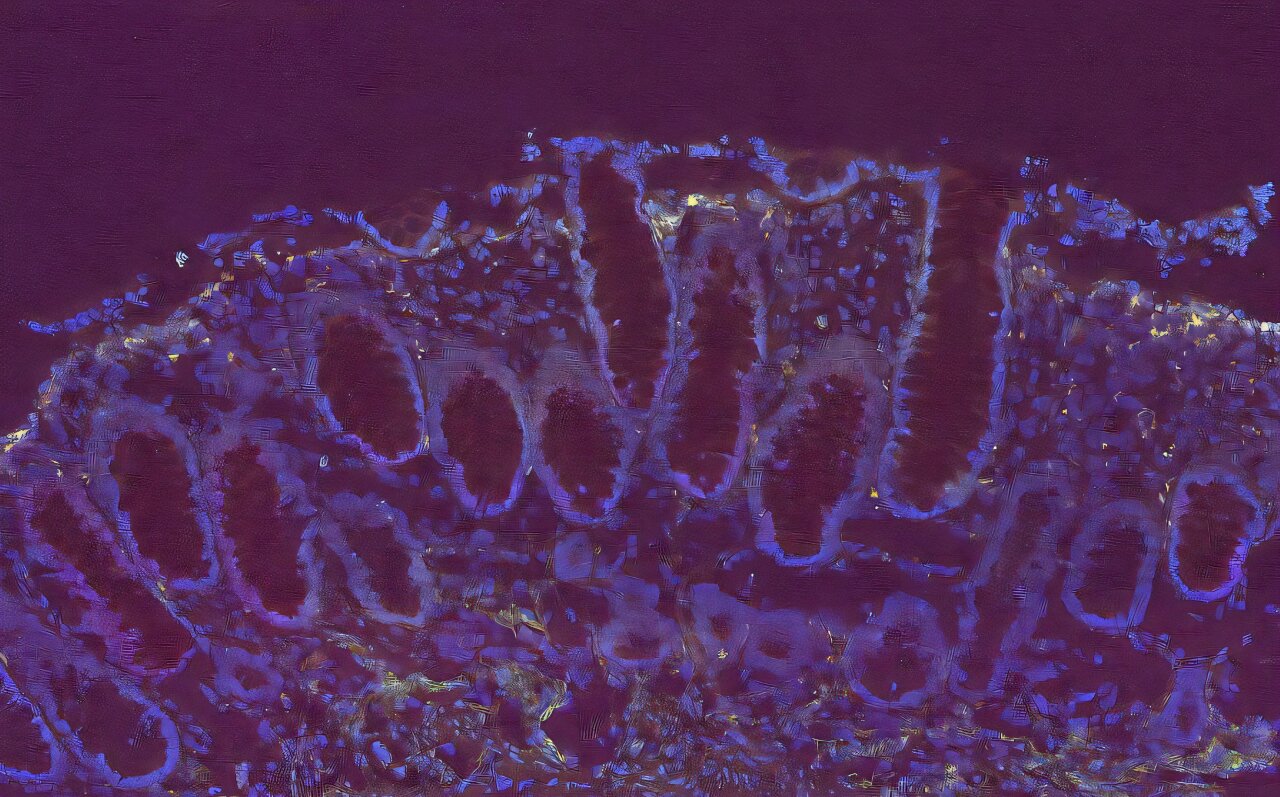
Cystic fibrosis is an incurable genetic disorder. Since 2020, a treatment known as triple therapy has addressed the underlying cause. Researchers at Charité – Universitätsmedizin Berlin found that the therapy is particularly effective in early childhood: Molecular channels in the mucous membranes, which do not function or function poorly in people with cystic fibrosis, reached nearly normal functional levels in children ages 2 to 11 following treatment.
The researchers say the results support starting treatment early. The study was published in the journal European Respiratory Journal.
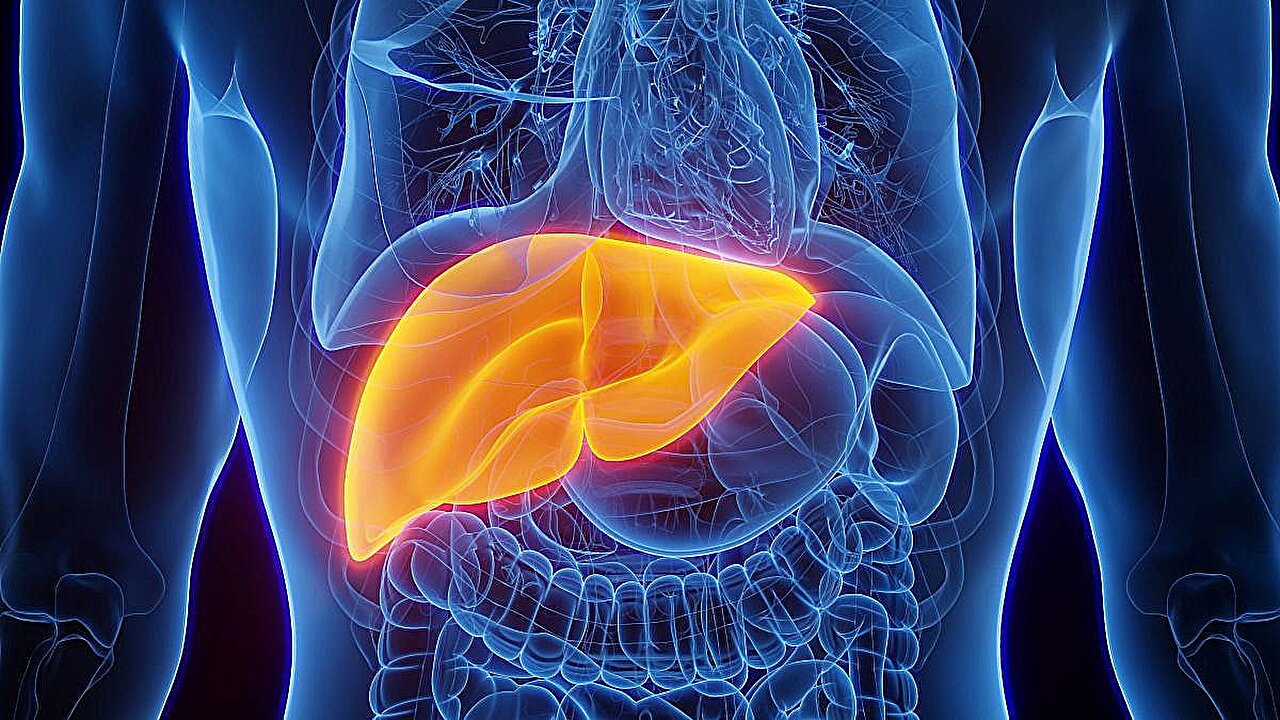
People with cystic fibrosis struggle with thick mucus in their lungs, frequent respiratory infections and problems with the pancreas, liver and intestines.
"The reason for this is that, due to a genetic defect, certain molecular structures in the mucous membranes—known as CFTR channels, which regulate the balance of water and salt—do not function at all or do not function properly," explains Dr. Simon Gräber, head of the Junior Research Group "Precision Medicine in Cystic Fibrosis" at Charité's Department of Pediatric Respiratory Medicine, Immunology and Critical Care Medicine.
"Until a few years ago, life expectancy for those affected was significantly reduced. Thanks to the triple therapy, which has been available since 2020, both life expectancy and quality of life for patients have improved dramatically."
The therapy—a combination of the three active ingredients elexacaftor, tezacaftor and ivacaftor—has been approved for children ages 6 and older since 2022 and for children ages 2 and older since 2023.
Source link