This article has been reviewed according to Science X's editorial process and policies. Editors have highlighted the following attributes while ensuring the content's credibility:
Cannabis is often used as a stress reliever, but a new study suggests that some of the body's stress response systems don't get the message.
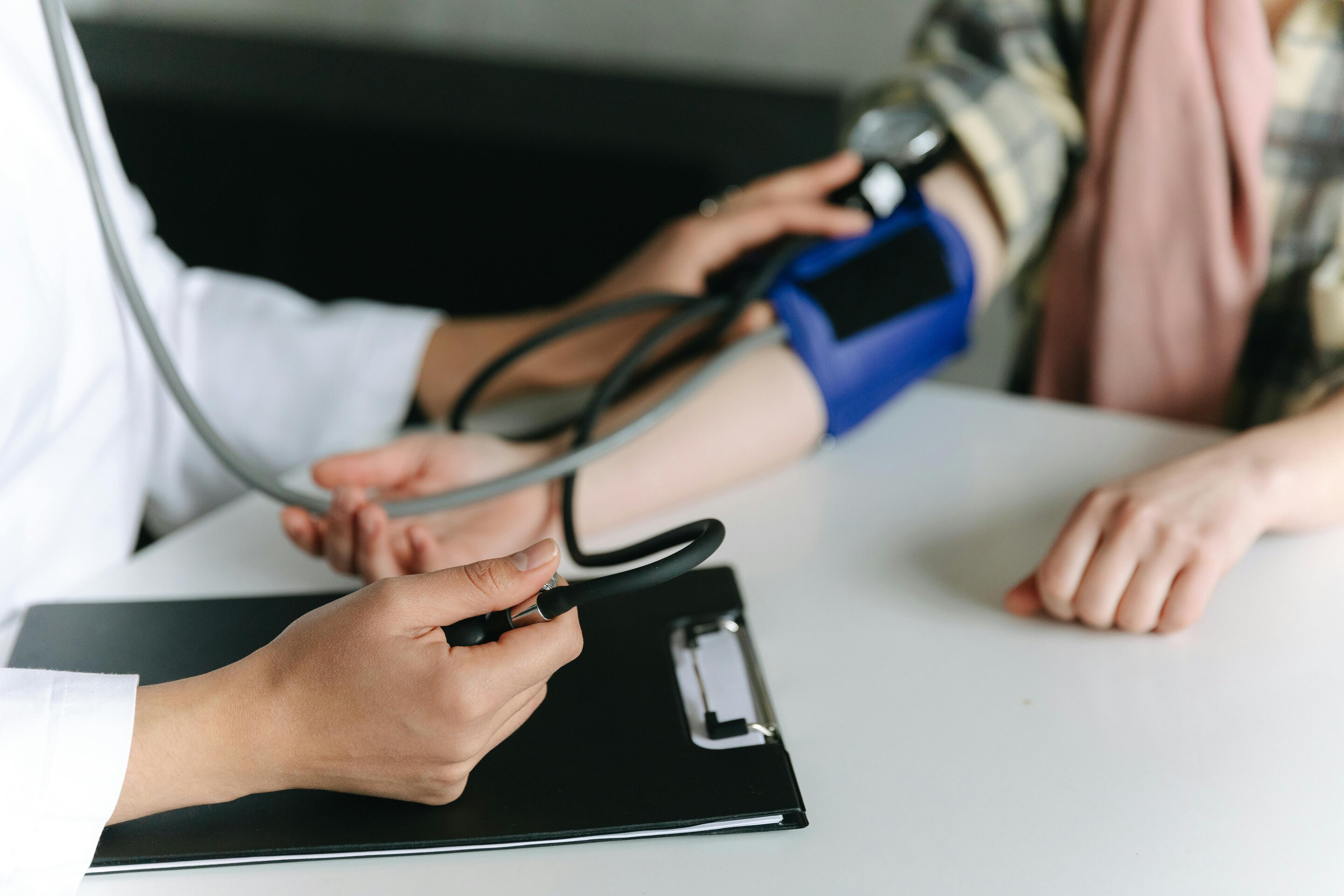
A human trial of regular cannabis users found that cannabis use lowered some physiological stress measures, such as cortisol levels, but others remained unaffected or increased after vaping cannabis. Notably, cannabis use corresponded with a faster heart rate and had no effect on heart rate variability, a key measure of stress response. The study, published in the journal Neuropsychopharmacology, was led by Washington State University researchers.
Across all measures, the strongest evidence of stress relief came from participants' subjective reports. They consistently reported feeling less stress—whether they vaped a little THC, a lot of THC or a placebo.
"One measure of stress is just to ask people: how stressed do you feel right now? Interestingly, that often doesn't actually map onto physiological indicators of stress that we measure," said study lead author Carrie Cuttler, an associate professor of psychology who directs The Health and Cognition (THC) Lab at WSU.
"Consumers should understand that while they feel like cannabis is reducing their stress, that could largely be a kind of placebo effect, due to their expectations of what they think cannabis is going to do."
Stress takes many forms—emotional, physical and behavioral. It shows up as a feeling or subjective response.
Source link