This article has been reviewed according to Science X's editorial process and policies. Editors have highlighted the following attributes while ensuring the content's credibility:
Pope Leo will undergo surgery in the coming days to remove a lung nodule that was detected during a routine checkup. The 71-year-old said the growth was "well contained" and spotted early.
So what exactly is a lung nodule, and what's the link with cancer?
Lung nodules are small growths found in the spongy tissue of the lungs. They are no more than 3 centimeters (1.2 inches) in diameter and can be round or irregularly shaped. Anything larger is referred to as a mass.
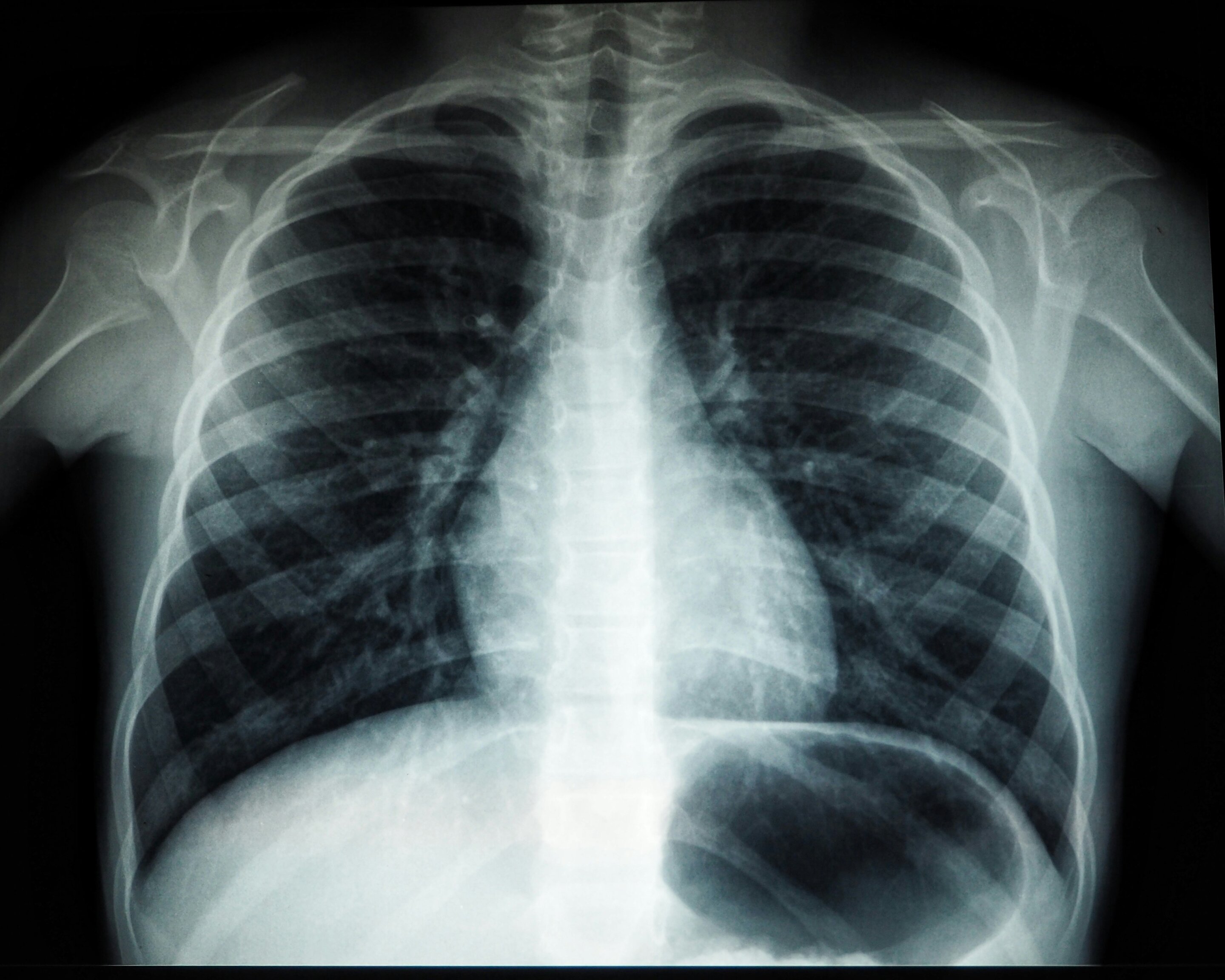
Lung nodules are usually detected by imaging of the chest, often using an X-ray or a computed tomography (CT) scan. While some people undergo screening specifically for lung nodules due to their increased risk of cancer, many nodules are picked up incidentally from unrelated scans.
Lung nodules are very common. In a study of 10,431 nonsmoking (never or former smoking) participants given a chest CT scan in the northern Netherlands, 37.7% of women and 47.5% of men had at least one lung nodule.
In the United States, lung nodules are detected in 31% of chest CT scans.
The Australian National Lung Cancer Screening Program suggests that lung nodules will be found in up to half of all people screened, but that most are neither symptomatic nor cancer-related.
As imaging technology improves and scans are performed more often, more lung nodules are likely to be detected.
Source link