This article has been reviewed according to Science X's editorial process and policies. Editors have highlighted the following attributes while ensuring the content's credibility:
Type 2 diabetes is becoming increasingly common worldwide. Unlike type 1 diabetes, it is often linked to obesity, a sedentary lifestyle and excess energy intake over many years. Although insulin injections can bring blood sugar levels down, they do not address the body's chronic energy surplus. Insulin merely helps muscle cells take up glucose from the bloodstream, but if the body does not use that energy, the excess is converted into fat. This helps explain why many patients continue to gain weight despite treatment.
Now, a team led by Martin Fussenegger has developed a potential new way to treat diabetes: an implantable system that uses an electrically powered catalyst to lower blood glucose. Fussenegger is a professor in ETH Zurich's Department of Biosystems Science and Engineering in Basel. The team's findings have been published in Science.
For years, the Basel-based team of researchers has been exploring ways to tackle diabetes with systems that regulate blood sugar. Earlier approaches relied on specially developed genetic networks. However, these systems depend on biological components, which pose additional challenges in areas such as immune tolerance, stability, manufacturing and regulatory approval.
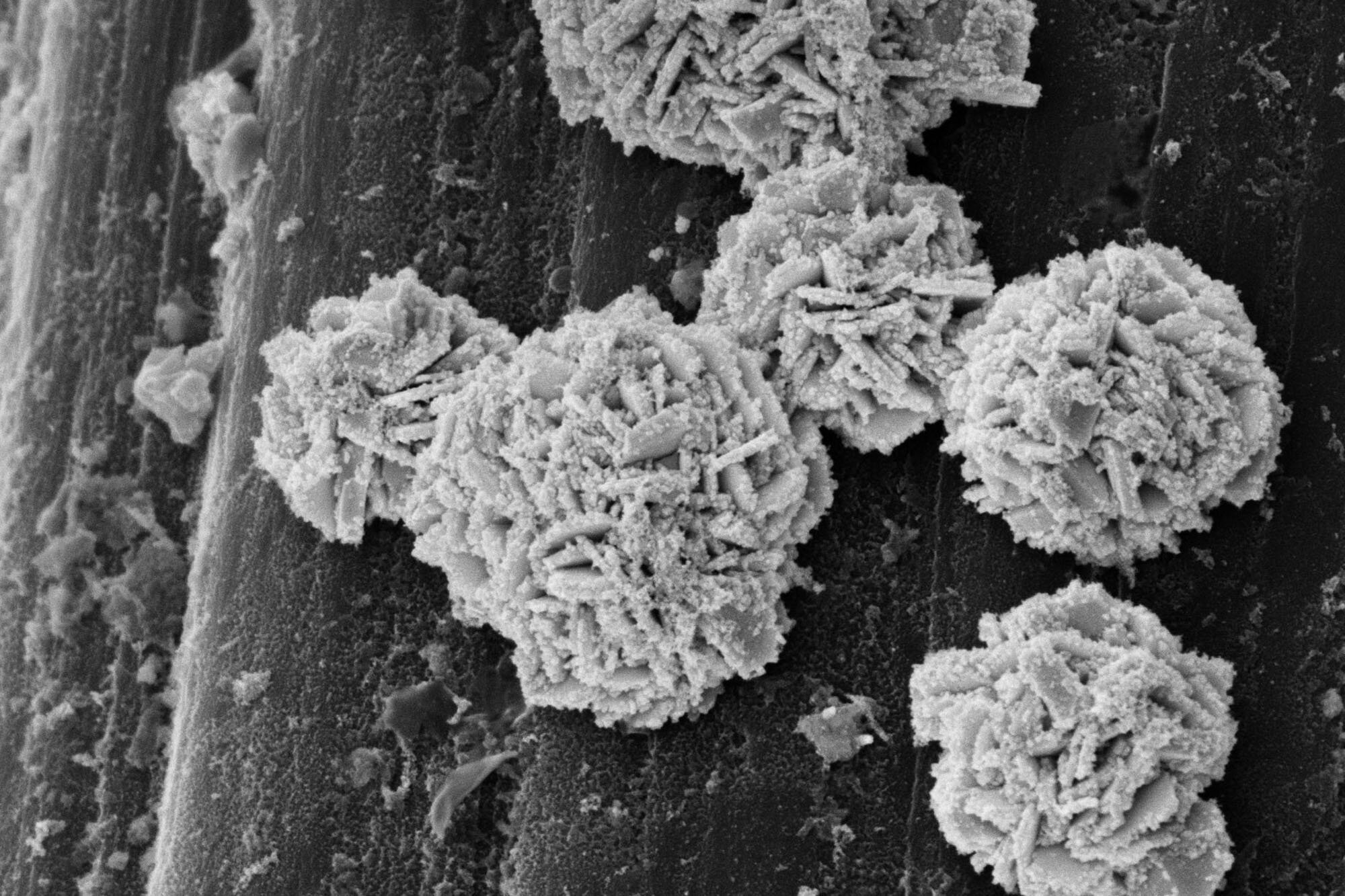
The new system gets around this problem with a catalyst made entirely from inorganic materials, which needs no cells, enzymes or other biological components. It consists of graphite felt studded with gold nanoclusters, which are themselves decorated with even smaller platinum particles.
Source link