This article has been reviewed according to Science X's editorial process and policies. Editors have highlighted the following attributes while ensuring the content's credibility:
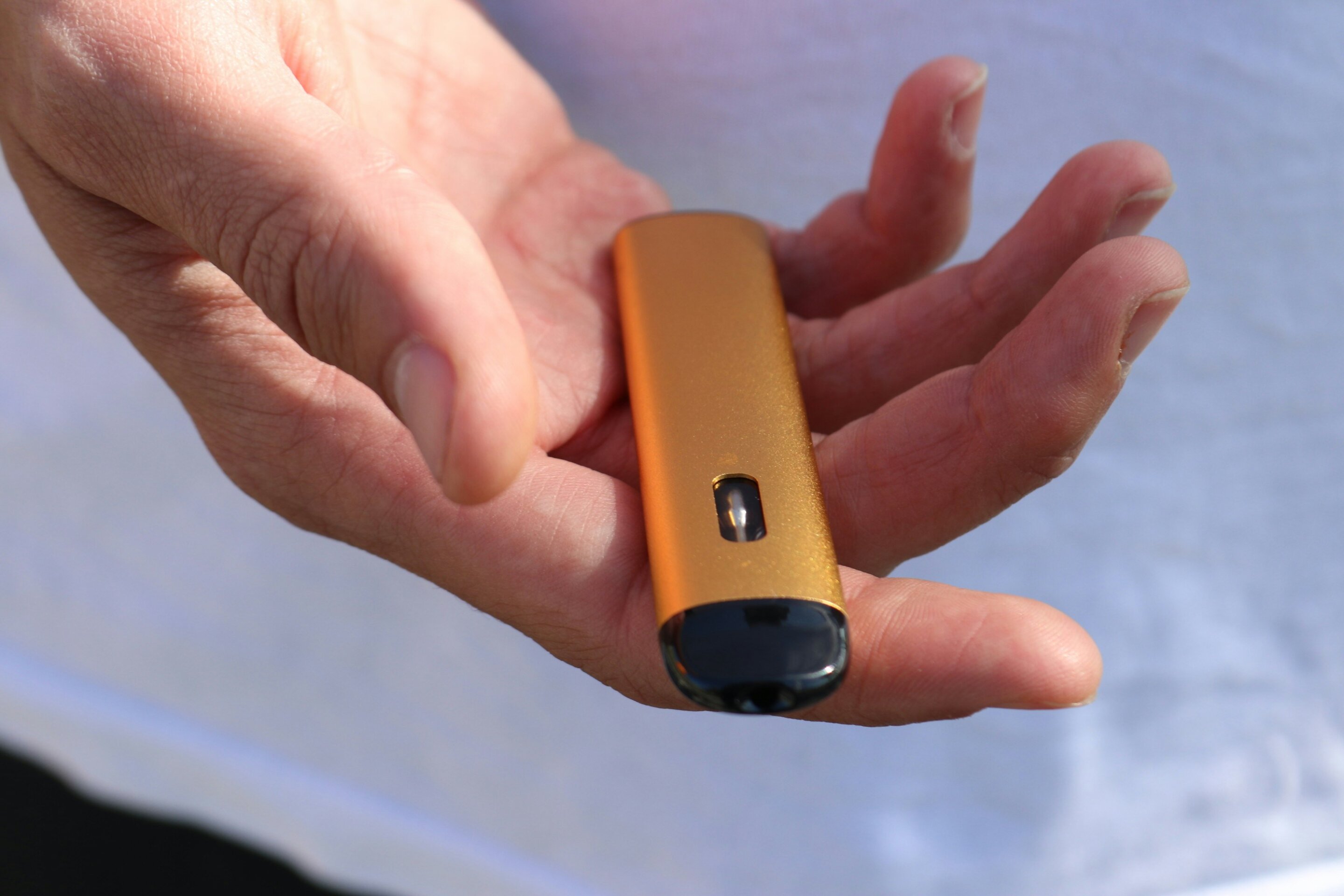
More people have likely been vaping, and with greater frequency, in the U.S. since 2013–14, suggests a data analysis published online in the journal Tobacco Control.
The proportion of those vaping daily rose by 230%, while vaping among those under 21 quadrupled between 2013–14 and 2022–23, the analysis indicates.
Including vaping frequency in surveillance data may contribute to a better understanding of vaping's impact on public health, suggest the researchers.
While e-cigarettes can effectively help adults stop smoking, these products also appeal to young people, most of whom have only dabbled in smoking or not smoked at all, they note.
Monitoring of vaping activity is a public health priority in the U.S., but few data sources capture both adult and young people's vaping trends, including intensity and frequency, they add.
In a bid to plug this knowledge gap, the researchers drew on survey data from the Population Assessment of Tobacco and Health (PATH) Study.
They wanted to estimate trends in the total number of vaping days at the population level between 2013–14 (wave 1) and 2022–23 (wave 7), and to estimate the proportion of vaping days by age (12- to 17-year-olds and those 18 and older).
Analysis of the responses over the 10-year period showed vaping days at the population level rose by 183%; vaping over the past 30 days rose by 45%; and daily vaping rose by 230%.
Source link