This article has been reviewed according to Science X's editorial process and policies. Editors have highlighted the following attributes while ensuring the content's credibility:
Ever catch someone looking your way and wonder what they're thinking? For people with social anxiety, that moment may trigger a heightened response in the brain, even though it does not improve their later judgments about what the gaze means.
A new University of Michigan study found that young adults with higher levels of social anxiety showed stronger brain responses when a word describing someone's thoughts or feelings didn't match what their gaze seemed to convey.
The research, which appears in the journal Psychophysiology, offers a new perspective on social anxiety, which is often viewed mainly as a source of distress.
Being especially alert to social cues could help people notice potentially important signals about others, but it could also leave them more prone to worry about what others think of them, said the study's first author, Irene Melani, who recently received a doctorate in psychology from U-M and is now a postdoctoral fellow at The Chinese University of Hong Kong.
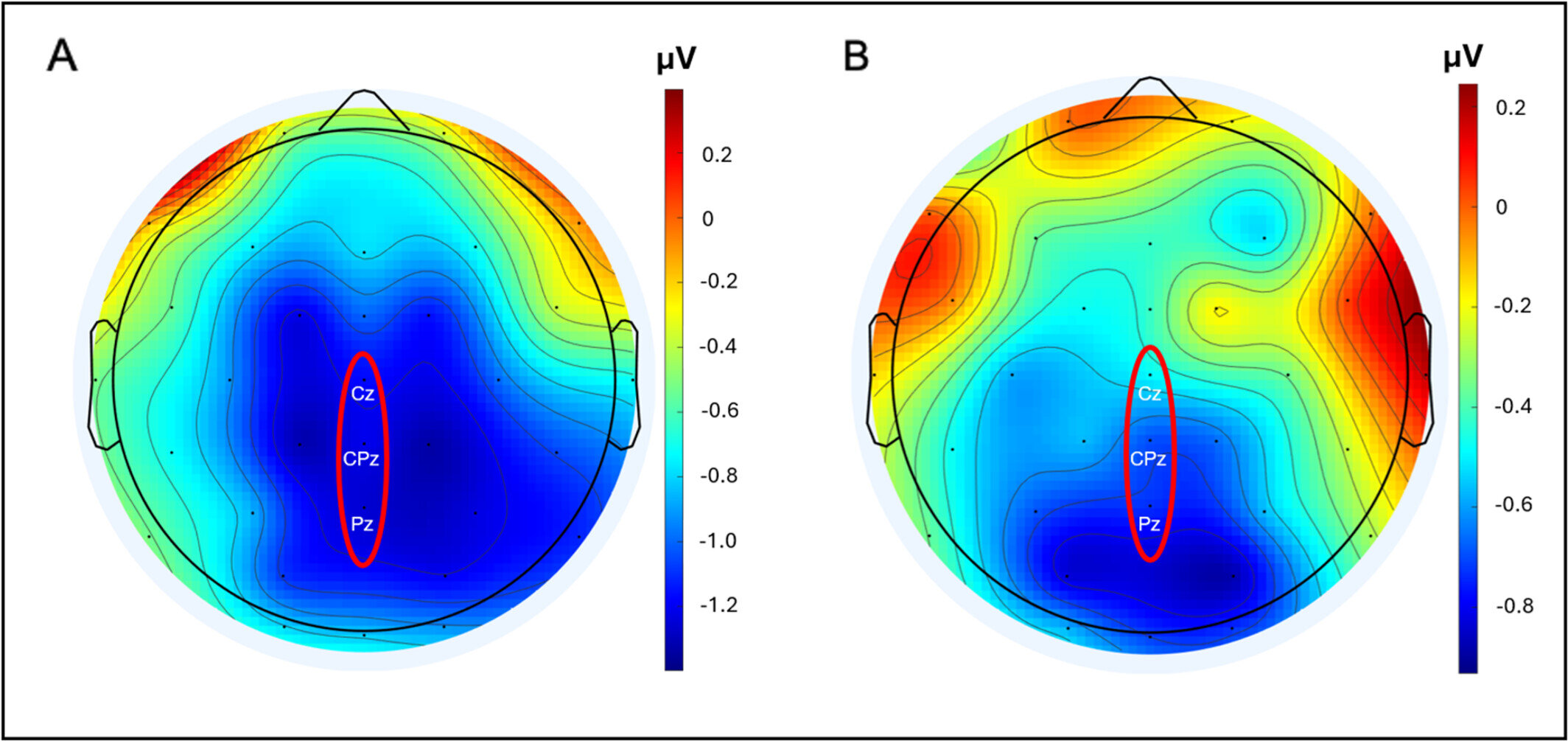
Melani and colleagues studied young adults with varying levels of social anxiety. While their brain activity was recorded using electroencephalography, participants viewed different gaze patterns followed by words describing mental states. Some words matched the meaning typically associated with the gaze; others did not.
People with higher social anxiety showed a stronger brain response when the gaze and the word didn't match, Melani said.
Source link